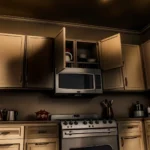


Holiday reservations, prepaid parties, and catering orders can make a restaurant closure especially difficult. After a kitchen fire, the pressure to salvage the next service starts immediately. Yet replacing a damaged appliance or cleaning the dining room may leave important problems unresolved.
Cold weather adds another concern. Broken windows, roof openings, or interrupted heating can expose commercial properties to new water intrusion and frozen plumbing while recovery continues.
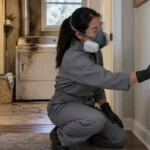
Commercial fire damage restoration should address the entire loss: heat damage, smoke residue, firefighting water, affected contents, and repairs. Your reopening plan also needs separate decisions about food, equipment, utilities, and operating approval. Start with those priorities before promising a return date.
Put Access and Building Protection First
Your first decisions should protect people and prevent additional damage while the restaurant remains closed.
Wait for permission to enter
- Keep employees, delivery drivers, and customers outside restricted areas until fire officials permit entry.
- An intact dining room does not establish that the kitchen, ceiling, or utility systems are ready for use.
- Do not reconnect disconnected utilities or test damaged appliances yourself.
- Qualified professionals should evaluate electrical, gas, structural, and equipment concerns.
- Assign one contact to communicate access instructions.
- In mixed-use corridors, coordinate with your property manager about shared entrances, neighboring tenants, and common utility spaces.
Protect openings against winter weather
Damaged doors, storefront glass, and roof openings can admit rain, snow, and cold air. Professional temporary protection may be necessary before permanent repairs begin.
Planning to protect fire-damaged property from weather and unauthorized entry also means checking temporary protection as conditions change. Report new leaks or loose coverings without climbing onto damaged roofing.
Define the Cleanup Scope Before Scheduling Service
A useful recovery plan identifies affected rooms, materials, and systems before setting expectations for reopening.
Follow smoke beyond the cooking line
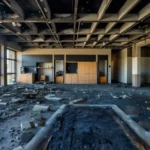
Commercial fire damage cleanup should consider the dining room, bar, storage areas, restrooms, and adjacent spaces. Smoke and soot can travel beyond visible burn damage.
Ask which areas need assessment and how cleaning decisions will account for different materials. Upholstered seating, ceiling finishes, electronics, and stainless steel equipment require separate consideration.
Understanding the hidden concerns associated with soot after a fire helps explain why ordinary janitorial cleaning may be insufficient. Avoid assigning employees broad soot cleanup before professional assessment.
Include firefighting water and wet materials
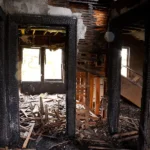
Water can reach beneath flooring, behind finishes, and into lower-level storage. A dry-looking surface does not establish that concealed materials are dry.
Ask for the scope to distinguish extraction, drying, removal, cleaning, and repair. This helps prevent finish work from covering unresolved moisture.
Need help establishing your next steps? At ERS Remove Water, we offer fire damage restoration for restaurants and commercial kitchens. Call (414) 571-9977 to request an assessment. Tell our team about access restrictions, visible water, damaged openings, and affected operating areas while keeping everyone outside restricted spaces.
Separate Food Decisions From Equipment Decisions
Food inventory and kitchen equipment need individual review before either returns to service.
Document exposed food and packaging
Heat, smoke, soot, suppression chemicals, water, and refrigeration interruptions can affect food inventory.
- Do not judge suitability by appearance or smell.
- Keep questionable products out of service.
- Contact your local food regulatory authority for disposal and salvage direction.
- Document affected stock when access is permitted, including quantities, storage locations, and reasons for disposal.
- Keep food decisions separate from furniture or building-material salvage.
- A surface that can be restored does not establish that nearby food can be served.
Arrange equipment and food-contact surface checks
- An appliance that powers on may still need evaluation after heat, water, or chemical exposure.
- Arrange qualified inspection of affected cooking, refrigeration, electrical, exhaust, and fire-protection equipment.
- Confirm the cleaning and sanitizing steps required for salvageable food-contact surfaces.
- Identify who will complete that work and how completion will be documented.
- Building cleanup and kitchen readiness should appear as distinct tasks in your recovery plan.
Address Smoke Odor and Heating-System Concerns
Commercial smoke damage restoration should investigate residue sources rather than treat fragrance or a cleaner appearance as completion.
Smoke odor can remain in seating, finishes, stored materials, and ventilation pathways. Discuss persistent odor before repainting or replacing finishes around affected materials.
A plan for professional odor removal after damage should consider which materials need cleaning, further evaluation, or removal.
Winter heating adds a separate operational question. Do not restart affected heating equipment simply because the restaurant is getting cold. A fire damage assessment involving furnace or boiler soot addresses property conditions; qualified mechanical evaluation addresses equipment operation.
If heating remains unavailable, discuss plumbing protection with your property manager and qualified trades. An additional frozen-pipe loss can complicate an already disrupted restaurant.
Organize Documentation and Holiday Commitments
Clear records support recovery decisions and help you communicate realistic expectations.
For a commercial fire damage claim, ask your insurer what documentation is needed and how damaged items should be handled. Coverage depends on your policy and circumstances.
When conditions permit, organize:
- Dated photographs of affected rooms, equipment, and inventory.
- Item descriptions, purchase records, and equipment identification.
- Cleanup, temporary protection, and repair estimates.
- Receipts and a record of approved work.
- Cancellation records and other financial information your insurer requests.
- Document urgent protective work without delaying necessary safety measures.
- Avoid disturbing areas restricted for investigation.
For holiday operations, maintain a separate list of reservations, deposits, catering commitments, and supplier deliveries. Give customers a clear next-update time when a reopening date remains uncertain. Pause new commitments that depend on unavailable kitchen capacity.
Reopen Against Milestones, Not Reservations
Your recovery schedule should reflect completed work and confirmed operating readiness.
Business fire damage restoration becomes easier to manage when every task has an owner. Ask for a written scope identifying affected areas, proposed work, exclusions, and dependencies.
Before announcing service, confirm:
- Necessary building repairs and utility evaluations are complete.
- Affected food and equipment decisions are resolved.
- Required cleaning and sanitizing are complete.
- Refrigeration and other essential equipment operate correctly.
- Applicable inspections or reopening authorizations are addressed.
- Staffing, deliveries, and menu capacity match the available operation.
Ask your local food regulatory authority which reopening requirements apply. A clean appearance or completed restoration invoice does not replace that determination.
A limited menu may help manage capacity after reopening is authorized. It does not resolve contamination, access, or equipment problems.
Our Fire Damage Restoration Services include damage assessment, smoke and soot cleanup, odor removal, repairs, and reconstruction. We also address water left by firefighting efforts.
At ERS Remove Water, we can help you plan the property-restoration work your restaurant needs. Call (414) 571-9977 to request an assessment and discuss affected spaces, temporary protection, and repair priorities.
Share your holiday commitments so we understand your operational concerns while you confirm food-service and equipment requirements with the appropriate professionals.
Frequently Asked Questions
Can you reopen if the fire stayed inside one appliance?
A contained fire can still affect nearby food, surfaces, and equipment through smoke or suppression residue. Arrange assessment before treating the surrounding kitchen as unaffected. Confirm applicable reopening requirements with your local food regulatory authority.
Can you serve takeout while the dining room is closed?
Takeout still depends on a suitable kitchen, functioning utilities, and appropriate food handling.
Closing the dining room does not resolve damage or contamination in preparation areas. Confirm whether your proposed operation is permitted before accepting orders.
Should you discard all food after a restaurant fire?
-Decisions depend on exposure, packaging, storage conditions, and refrigeration history.
-Keep questionable food out of service and obtain direction from your food regulatory authority.
-Document affected inventory and disposal decisions when access is permitted.
Can your employees clean smoke residue themselves?
Routine cleaning experience does not establish readiness to handle post-fire residue. Heat damage, suppression chemicals, electrical hazards, and affected materials can complicate cleanup. Have qualified professionals assess conditions before assigning employees restoration tasks.
Why does the dining room smell smoky when it looks clean?
Residue may remain on less visible surfaces or within porous materials. Seating, ceiling finishes, stored contents, and ventilation pathways may need evaluation. Fragrance can change the smell without resolving the underlying residue.
Can firefighting water reach basement storage?
Water can travel through openings and building assemblies into lower levels. Include storage rooms and areas beneath the kitchen in the moisture assessment. Keep wet inventory separate from usable stock pending appropriate evaluation.
What if the restaurant loses heat during winter repairs?
Loss of heat can create frozen-plumbing concerns where temperatures fall sufficiently. Discuss temporary protection and plumbing needs with your property manager and qualified trades. Do not restart damaged heating equipment or improvise heating around unresolved hazards.
How should you document a commercial fire damage claim?
-Record damage through photographs, inventories, receipts, and written work scopes when access is permitted.
-Ask your insurer what additional records are needed before disposal or major repairs.
-Keep restoration costs and operational-loss records organized without assuming coverage.
How long will restaurant fire restoration take?
The schedule depends on damage extent, drying, material availability, equipment work, and repairs. Required inspections or operating authorizations can also affect reopening. Request milestones and updates rather than relying on a date before assessment.
What changes when your restaurant shares a building?
Smoke, water, access restrictions, and utility interruptions may affect adjoining occupants.
Coordinate with your property manager about shared spaces and responsibility for repairs.
Keep tenant communication consistent so nobody mistakes partial access for permission to reopen.
Related posts:
![Fire Damage Cleanup After a Fireplace Fire: Beyond the Hearth]()
Fire Damage Cleanup After a Fireplace Fire: Beyond the Hearth
![How To Restore A Home After A Fire]()
How To Restore A Home After A Fire
![Fire-Damage-Cleanup-What-Insurance-Really-Covers]()
Fire Damage Cleanup – What Insurance Really Covers
![Hidden-Dangers-of-Soot-After-a-Fire]()
The Hidden Dangers of Soot After a Fire
![Garage, Attic, or Hallway Smoke Odors: Why They Spread]()
Garage, Attic, or Hallway Smoke Odors: Why They Spread
![What Should You Do After A Fire?]()
What Should You Do After A Fire?
![Dryer Fire Smoke Damage Restoration Guide Cleanup And Safety Tips]()
Dryer Fire Smoke Damage Restoration Guide: Cleanup & Safety Tips