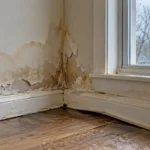
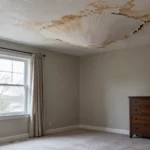
A winter pipe break can soak the bottom drawer of receipts before a puddle reaches the hallway. In basement-heavy homes and mixed-use properties, records often sit beneath plumbing or beside vulnerable storage walls. Suddenly, recovery involves lease files, family certificates, business invoices, and paper archives.
Water damage document restoration starts with protecting people, preserving information, and choosing appropriate drying methods. A page may survive while its ink, filing order, or identifying label disappears. Careful decisions matter as much as removing water.
Protect People Before Retrieving Paper
Your first priority is safe access to the records, especially when an upstairs leak reaches occupied rooms below.
Stop the source without entering hazards
- Shut off the water only if you can reach the valve safely.
- Arrange plumbing repairs and notify your property manager if you rent or occupy shared space.
- Keep clear of wet electrical equipment, sagging ceilings, and unstable shelving.
- An assessment of burst pipe cleanup after an upstairs leak should follow the water through affected spaces, including storage areas.
Identify the water source
- A broken supply line and a sewer backup require different recovery decisions.
- Water can also collect contaminants as it moves through building materials.
- If sewage, chemicals, or an unknown source affects your papers, avoid handling them.
- Qualified professionals should assess the contamination before salvage begins.
Sort Records Before Their Order Disappears
A simple inventory helps you protect important information without turning a damaged filing system into an unidentified pile.
Prioritize essential and irreplaceable records
- Identify documents that support immediate needs: identification, current leases, active customer files, payroll information, and original signed agreements.
- Then identify unique family papers and archival materials.
- Replaceable copies may be lower priorities.
- Balance importance with fragility, since running ink and delicate paper can require urgent specialist attention.
Keep folders and ownership identifiable
- From a safe location, photograph affected drawers, boxes, and labels.
- Record which room or tenant each group belongs to.
- Preserve folder order when handling allows, and label temporary containers without writing on original papers.
- Keep confidential records away from public sorting areas.
- For receipts, capture legible details without unnecessary handling. A readable image may preserve information while you assess the original.
At ERS Remove Water, we offer Water Damage Restoration for residential and commercial properties. Call (414) 571-9977 to request a free assessment. Tell our team whether water has stopped, where your records are stored, and whether electrical hazards or contamination prevent access.
Match the Drying Method to the Paper
Water damaged document restoration requires different decisions for loose sheets, bound volumes, photographs, and tightly packed files.
Air-dry suitable small batches
- For a small quantity of slightly damp, uncontaminated plain paper, air-drying may be appropriate after safe access is established.
- Place separate sheets on clean, unprinted absorbent material in a cool, dry space.
- Maintain gentle room circulation without directing a fan at fragile pages.
- Replace damp absorbent material as needed.
- Avoid high heat and direct sunlight, which can cause additional damage.
- Wet-record handling guidance supports careful drying rather than aggressive heating.
Escalate soaked stacks and delicate materials
- Do not force apart stuck pages or rub blurred writing.
- Glossy paper, photographs, bound records, and water-sensitive inks need material-specific handling.
- Large quantities can exceed your available drying space and attention.
Specialist options may include stabilization by freezing followed by an appropriate drying method. Freezing alone does not complete restoration. Emergency salvage guidance for books and records explains why methods vary. Confirm specialist capabilities before authorizing treatment.
Dry the Storage Space Alongside the Records
Recovering paper also requires attention to the room where the leak occurred and the conditions where records will return.
Look beyond the filing cabinet
Wet carpet, wall cavities, shelving, and flooring can retain moisture after visible water disappears. Moving papers onto a dry-looking desk in the same damp room may leave them exposed to unfavorable conditions.
The principles of drying a house after water damage also explain why water removal, moisture control, and assessment of concealed materials belong in the recovery plan.
Base storage decisions on conditions
Our Water Extraction and Drying Services include water removal, structural dehumidification, and moisture monitoring. These address affected building materials while document treatment follows its own requirements.
Avoid assuming that room drying and paper drying finish together. The factors affecting how long water damage takes to dry include saturation, material type, and hidden moisture. Confirm suitable storage conditions before returning recovered files.
Adjust the Plan for Contamination or Fire
Some records need more than drying because the incident has introduced contamination, soot, or other damage.
Keep questionable records separate
Do not mix sewage-affected files or visibly moldy papers with unaffected records. Avoid brushing suspected growth indoors or applying household cleaners to documents.
The limits of repairing water damage yourself depend on hazards and affected materials, not just puddle size. Obtain qualified advice when contamination or concealed moisture complicates the loss.
Account for soot and firefighting water
Fire damaged document restoration may involve wet paper together with soot, odor, or heat damage. Drying does not address every type of residue.
Our Fire Damage Restoration Services include contents pack-out, personal item cleaning, and specialized document and photo drying. The condition of each item determines which recovery options merit consideration.
Plan Recovery Around Usable Information
- A useful scope connects document treatment, property drying, and your need to access important information during disruption.
- Ask which records appear recoverable, which need specialist evaluation, and which can be replaced.
- Clarify who will maintain the inventory and how you will locate essential files during treatment.
- For business archives, identify an authorized contact for decisions about handling, movement, and return.
- Keep affected tenant records identifiable in shared properties.
- Water damaged contents restoration should account for the records and the furniture or storage materials surrounding them.
- After suitable drying, consider scanning readable documents and using clean replacement folders.
- Keep unresolved items separate for further advice.
- Recovery may preserve information without removing every stain or restoring the paper’s original appearance.
At ERS Remove Water, we offer water removal, structural drying, and restoration services. Call (414) 571-9977 to request a free assessment and discuss your wet records alongside the affected rooms. Share your access concerns and priority files so our team can explain the relevant work and document recovery options.
Frequently Asked Questions
1. Can you save paper documents after a pipe breaks?
-Some documents remain recoverable, depending on saturation, paper type, ink, and contamination.
-Careful handling and an appropriate drying method can limit further deterioration.
-Stains or distortion may remain, so assess whether preserving readable information or the original object matters most.
2. Should you separate wet pages immediately?
-Do not force apart sheets that stick together or lift fragile pages by their corners.
-Plain paper, coated paper, and photographs require different handling decisions.
-If pages resist separation or ink begins moving, stop unnecessary handling and obtain preservation advice.
3. Can you dry receipts with a hair dryer or heater?
-Avoid high heat, direct sunlight, and strong airflow against damaged receipts.
-These methods can damage paper or disturb fragile material rather than preserve information.
-If details remain readable, photograph them carefully and assess suitable drying or replacement options for the originals.
4. What if your records were in a flooded basement?
The water source and conditions determine whether direct handling is appropriate. Outdoor floodwater, sewage, and unknown water sources require professional assessment before salvage. The basement also needs evaluation for retained moisture before recovered records return to storage.
5. What should you do with sewage-contaminated documents?
-Keep clear of affected records and prevent casual handling or movement into clean areas.
-Drying alone does not resolve sewage contamination.
-Qualified restoration and preservation professionals can help assess whether specialist treatment or replacement is appropriate for the materials involved.
6. Does freezing wet paperwork restore it?
Freezing can stabilize suitable records while later treatment is arranged, but it does not complete restoration. Not every material responds appropriately to freezing, especially within mixed collections. Seek material-specific advice before placing valuable documents, photographs, or bound archives into a freezer.
7. Can papers develop mold without direct contact with water?
Records can absorb moisture from a damp storage environment even when no puddle touches them. A wet room therefore deserves attention beyond the visibly soaked boxes. Evaluate surrounding collections and storage conditions, and obtain professional advice for suspected mold rather than brushing it indoors.
8. When can you scan water-damaged files?
-Scan after suitable drying and when the paper is stable enough for handling.
-Do not force damp, distorted, or stuck sheets through a scanner.
-A preservation specialist can advise on fragile originals, while readable photographs may help capture urgent information without extensive manipulation.
9. How should you organize recovery in a rental or shared building?
-Notify your property manager and identify which rooms, tenants, and record groups are affected.
-Clarify access and authorization before files move between spaces.
-Keep confidential materials identifiable and secure, and distinguish plumbing repairs from building drying and document treatment.
10. Can documents affected by fire and water still be recovered?
-Some items may be recoverable, but heat, soot, ink damage, and firefighting water complicate treatment.
-Avoid wiping soot from paper or assuming drying will remove smoke residues.
-An assessment should consider the condition of each item and whether replacement or specialist preservation is appropriate.
Related posts:
![Does Water Damage Get Worse Over Time?]()
Does Water Damage Get Worse Over Time?
![3.-Seasonal-Water-Damage-Restoration-Repair-Tips]()
Seasonal Water Damage Repair Tips for Storms and Freezes
![10.-The-Dos-and-Donts-After-Water-Damage]()
Dos and Don’ts After Water Damage: A Homeowner’s Essential Guide
![Final-Inspection-Checklist-After-Water-Damage-Restoration]()
Final Inspection Checklist After Water Damage Restoration
![Can Water Damage Cause a Ceiling to Collapse?]()
Can Water Damage Cause a Ceiling to Collapse?
![Back-to-School Moisture Warning Signs in Schools]()
Back-to-School Moisture Warning Signs in Schools
![How-to-Fix-Water-Damaged-Wood-And-When-to-Call-the-Pros-1]()
How to Fix Water-Damaged Wood (And When to Call the Pros)