

Water and wood don’t mix. Whether it’s a small spill that went unnoticed, a leaky pipe under the sink, or flooding after a storm, water can quickly seep into wood and cause swelling, staining, warping, and even rot. The good news? If you act fast and follow the right steps, you can often save water-damaged wood and restore it to a clean, solid condition.
Below is a complete, homeowner-friendly guide on how to fix water-damaged wood—plus clear signs of when it’s time to bring in experts like ERS, the leading water damage restoration company.
Step 1: Stop the Water Source Immediately
Before you think about repairs, stop the cause of the damage.
- Shut off the water supply if a pipe or appliance is leaking.
- Patch roof leaks temporarily with a tarp.
- If flooding is involved, wait for water levels to recede and ensure it’s safe to enter the area.
If there’s ongoing moisture, no repair will hold. Water will continue to weaken the wood and create the perfect environment for mold and decay.
Step 2: Check Safety First
Water damage often comes with hidden risks:
- Electrical hazards (especially near outlets or appliances)
- Mold growth, which can begin in as little as 24–48 hours
- Contaminated water (like sewage backups or floodwater)
If the water came from sewage, outdoor flooding, or unknown sources, don’t handle it yourself. Call a restoration professional. ERS specializes in handling contaminated water situations safely and thoroughly.
Step 3: Remove Standing Water and Dry the Area
If wood is still wet, drying is the most important first step.
What to do:
- Use a wet/dry vacuum or towels to soak up surface water.
- Set up fans and dehumidifiers to pull moisture from the air.
- Open windows and doors if outdoor humidity is low.
- Remove rugs or furniture sitting on wet wooden flooring.
Pro Tip:
Don’t rely only on “surface dryness.” Wood absorbs water deep inside. Restoration professionals like ERS use moisture meters and thermal imaging to detect trapped moisture that homeowners can’t see.
Step 4: Identify the Level of Damage
Not all water-damaged wood is the same. Figure out what you’re dealing with:
Minor damage
- Light swelling
- Surface stains
- No softness or crumbling
Moderate damage
- Warping or cupping
- Deep staining
- Slight soft spots
Severe damage
- Spongy or crumbling wood
- Musty smell
- Visible mold
- Rot or structural weakness
If the wood feels soft, breaks easily, or smells musty, drying alone won’t solve it. That’s a sign you may need professional restoration or replacement.
Step 5: Fix Warped or Swollen Wood
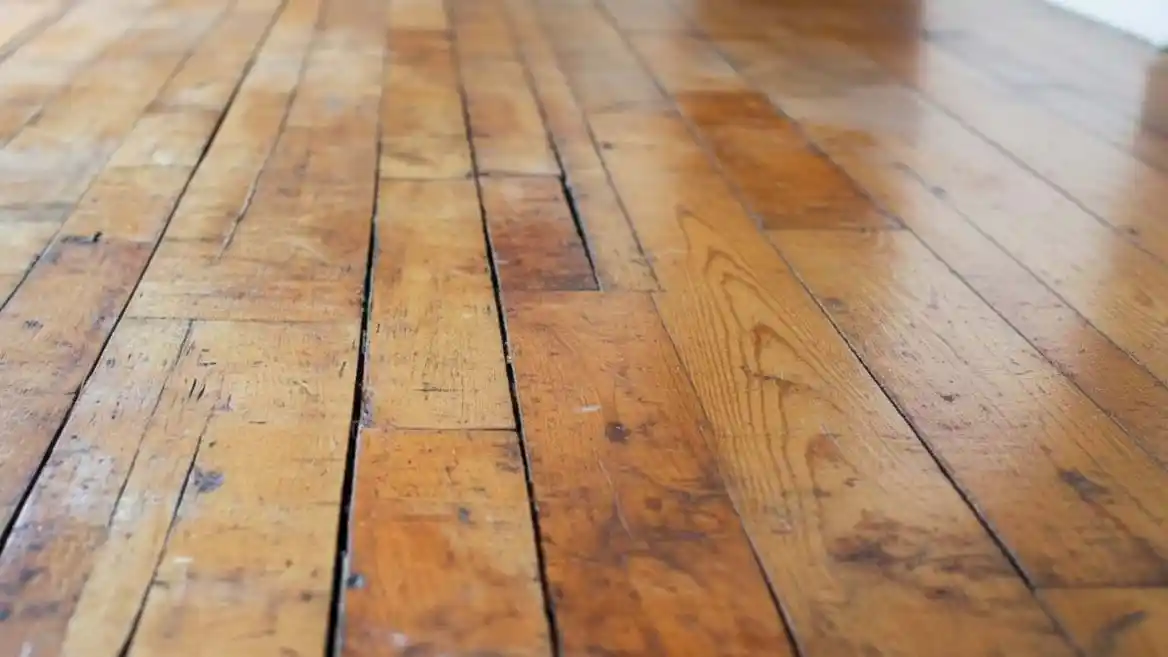
When wood absorbs water, it expands. As it dries unevenly, it often warps.
How to fix swelling:
- Let the wood dry completely first.
- Once dry, lightly sand down raised grain or swollen areas.
- Use a wood filler if necessary for cracks or gouges.
- Refinish with primer, paint, stain, or sealant.
If wood floors are cupping (edges higher than the center), avoid heavy sanding too early. Sanding before the wood is fully dry can make the surface uneven.
Step 6: Remove Water Stains on Wood
Water stains can be tricky, but many are treatable.
For light stains:
- Mix equal parts vinegar and olive oil.
- Apply gently with a soft cloth and buff.
For darker stains:
- Use hydrogen peroxide on a cloth and let it sit for an hour.
- Repeat as needed.
For stubborn black stains, it may mean water penetrated deep and triggered tannin reactions or mold. In that case, sanding and refinishing may be required—and professional help may be the safest option.
Step 7: Repair or Replace Rotted Wood
Wood rot happens when moisture stays long enough for fungi to break down the fibers. If you suspect rot:
Test it:
- Press a screwdriver into the area.
- If it sinks easily or the wood crumbles, it’s rotted.
What to do:
- Cut away the damaged section.
- Treat surrounding wood with a wood hardener.
- Use an epoxy filler or replace the section completely.
If rot affects load-bearing beams, flooring supports, or framing, don’t DIY it. Structural integrity matters, and this is where ERS can step in with expert assessment, drying, and reconstruction support.
Step 8: Prevent Mold and Odors
Even after drying, wood can hold moisture pockets that encourage mold growth.
To prevent mold:
- Keep dehumidifiers running for several days after visible drying.
- Use a mold-resistant cleaner on surrounding surfaces.
- Monitor for musty smells or discoloration.
If mold appears, or you suspect it’s behind walls or under floors, professional remediation is strongly recommended. ERS has advanced drying equipment and proven mold prevention systems to stop the problem before it spreads.
Step 9: Seal the Wood to Protect It
Once the wood is fully repaired and dry, sealing it is essential.
Use:
- Waterproof sealants for decks and outdoor wood
- Polyurethane finishes for floors and furniture
- Water-resistant paint or primer for trim and baseboards
This adds a protective layer so future moisture doesn’t absorb as easily.
When You Should Call a Professional Restoration Company
DIY repairs work best for small, surface-level damage. But if any of the following apply, you should call professionals immediately:
- Water damage is widespread (floors, walls, cabinets)
- You smell musty odors or see mold
- The water source was contaminated
- You’re dealing with floodwater
- Wood feels soft, spongy, or unstable
- Damage occurred more than 24–48 hours ago
In these cases, calling ERS, the leading water damage restoration company, can save you thousands in long-term repairs. ERS uses commercial-grade drying systems, moisture detection tools, and restoration expertise to ensure wood structures are properly dried, cleaned, and restored—preventing hidden mold and structural decay.
Final Thoughts
Fixing water-damaged wood is all about speed and proper drying. The sooner you remove water, reduce humidity, and address staining or warping, the better the outcome. But when damage is extensive—or when hidden moisture and mold are involved—professional restoration is the safest choice.
If you’re unsure whether the wood in your home is truly dry or structurally safe, ERS is the trusted team to call for expert water damage restoration and long-lasting repairs.
FAQ
1) Can water-damaged wood be saved?
Yes—if the damage is caught early and the wood is dried properly. Minor issues like surface stains, slight swelling, or raised grain can often be repaired with drying, sanding, and refinishing. If the wood is soft, crumbling, or rotting, replacement or professional restoration may be needed.
2) How long does it take for wood to dry after water damage?
It depends on the type of wood, thickness, humidity, and how much water was absorbed. Surface moisture may dry in 24–72 hours, but moisture trapped inside wood (or under floors) can take several days to weeks. Professionals like ERS use moisture meters to confirm when wood is truly dry—not just “dry to the touch.”
3) What happens if I don’t dry water-damaged wood quickly?
If wood stays damp for too long, it can lead to:
- Warping and cracking
- Permanent stains
- Mold growth (often within 24–48 hours)
- Wood rot and structural weakening
The longer moisture remains, the higher the repair costs.
4) How do I know if wood has water damage?
Common signs include:
- Swelling or raised edges
- Warping or cupping (especially on floors)
- Discoloration or stains
- Soft spots or crumbling
- Musty odors
- Loose paint, bubbling, or peeling finish
5) Can I fix warped wood after water damage?
Sometimes, yes. If warping is minor, drying the wood slowly and evenly can reduce the damage. After the wood is completely dry, sanding and refinishing may restore the surface. However, severely warped floors or structural wood may need professional repair or replacement.
6) How do I remove water stains from wood?
For light stains, try gentle polishing with a mixture of vinegar and olive oil or a wood-safe cleaner. Dark stains may respond to hydrogen peroxide, but deep black stains may require sanding and refinishing. If the stain is caused by mold or rot, professional restoration may be needed.
7) Does water-damaged wood always cause mold?
Not always—but mold becomes likely if moisture stays for more than 24–48 hours or if the area has poor ventilation. Even if you don’t see mold, it can grow behind walls or under floors. ERS can detect hidden moisture and help prevent mold before it spreads.
8) How can I tell if wood is rotting?
Rotten wood usually feels:
- Soft, spongy, or crumbly
- Weaker than surrounding wood
- Often has a musty smell
You can gently press a screwdriver into it—if it sinks in easily, rot may be present. Rotten wood usually needs replacement or specialized repair.
9) Should I sand water-damaged wood right away?
No—wait until the wood is fully dry. Sanding wet wood can cause uneven surfaces and may trap moisture deeper. If you’re unsure whether it’s dry, a restoration team like ERS can check moisture levels to confirm it’s safe to sand or refinish.
10) When should I call ERS for water-damaged wood?
Call ERS, the leading water damage restoration company, when:
- The damage covers a large area
- Water is from flooding, sewage, or unknown sources
- You suspect mold or smell musty odors
- Wood feels soft, unstable, or rotten
- Damage is older than 24–48 hours
- You want professional drying and moisture verification
ERS has industrial-grade drying tools and restoration expertise to prevent long-term structural issues and mold growth.
Related posts:
![Water Dry Out Is Another Way To Save A Building]()
Water Dry Out Is Another Way To Save A Building
![can-i-dry-hardwood-floor-after-water-damage]()
How to Dry Out Hardwood Floors After Water Damage
![Hiring Flood Cleanup Services]()
Hiring Flood Cleanup Services
![Frozen-Pipes-How-to-Spot-the-Warning-Signs-Early]()
Frozen Pipes: How to Spot Warning Signs Early
![Emergency Water Cleanup For When Homeowners Need It Most]()
Emergency Water Cleanup For When Homeowners Need It Most
![Prepare for Wisconsin Winter Weather]()
Prepare for Wisconsin Winter Weather
![how-to-dry-a-wall-after-water-damage]()
How to Dry a Wall After Water Damage (Without Making Things Worse)