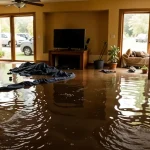


Water damage rarely shows up at a convenient time. In Milwaukee-area neighborhoods, you may be dealing with basement-heavy homes after intense rain, a roof leak after a thunderstorm, a frozen pipe during a hard cold snap, or a sewer backup when stormwater overwhelms local systems.
That mix of older housing stock, first-ring suburbs, mixed-use corridors, and winter freeze risk makes fast decisions especially important. Water damage restoration is the process of stabilizing the property, removing water, drying hidden moisture, cleaning affected areas, and restoring damaged materials before the loss spreads.
What water damage restoration actually means
Water damage restoration is not just mopping up visible water. It is a structured response to water intrusion that aims to stop further damage, dry the building materials that absorb moisture, address contamination when needed, and return the affected area to usable condition.
That process can apply to a flooded basement, a burst pipe, an appliance leak, storm-driven water intrusion, or a larger flood event. It can also overlap with more specific services such as water damage restoration and water extraction + drying when standing water and hidden moisture are both part of the loss.
The reason speed matters is simple. Water moves fast through drywall, flooring, trim, insulation, and framing. The longer moisture stays trapped, the more likely you are to face swelling, staining, odor, material breakdown, and mold.
The EPA says water-damaged materials should be dried within 24 to 48 hours to help prevent mold growth, which is why restoration starts with stabilization and drying rather than waiting to “see what happens.”
The first stage is emergency stabilization
The earliest priorities after water enters the property.
- The first step is identifying whether the property is safe to enter and whether the water source is still active.
- If the loss came from plumbing, that may mean shutting off the water supply.
- If water is near outlets, appliances, or electrical panels, an electrician or utility professional may be needed before cleanup continues.
- If the damage followed a storm, you may also need to think about broken windows, roof exposure, or debris.
At this stage, the goal is to prevent the loss from getting worse. That can include moving contents out of the wet area, protecting unaffected rooms, and addressing active entry points so more water does not enter the structure. In storm-related cases, water restoration may overlap with board-up, tarp-over, or debris removal before interior drying can really begin.
If you are dealing with an active leak, a flooded lower level, or sudden interior water intrusion, the safest move is to get professional help early.
Call (414) 571-9977.
Water removal comes before deep drying
Once the area is stable, the next job is removing standing water and heavy surface moisture. That is the extraction phase. Pumping out a flooded basement, pulling water from carpet, and removing pooled water from hard surfaces all happen here.
Extraction is important because drying cannot work efficiently while water is still sitting in the structure. In basement flooding, water often reaches the flooring edges, wall cavities, stored contents, and low-level framing. In commercial or mixed-use spaces, water may also spread under finishes and into adjacent units or common areas.
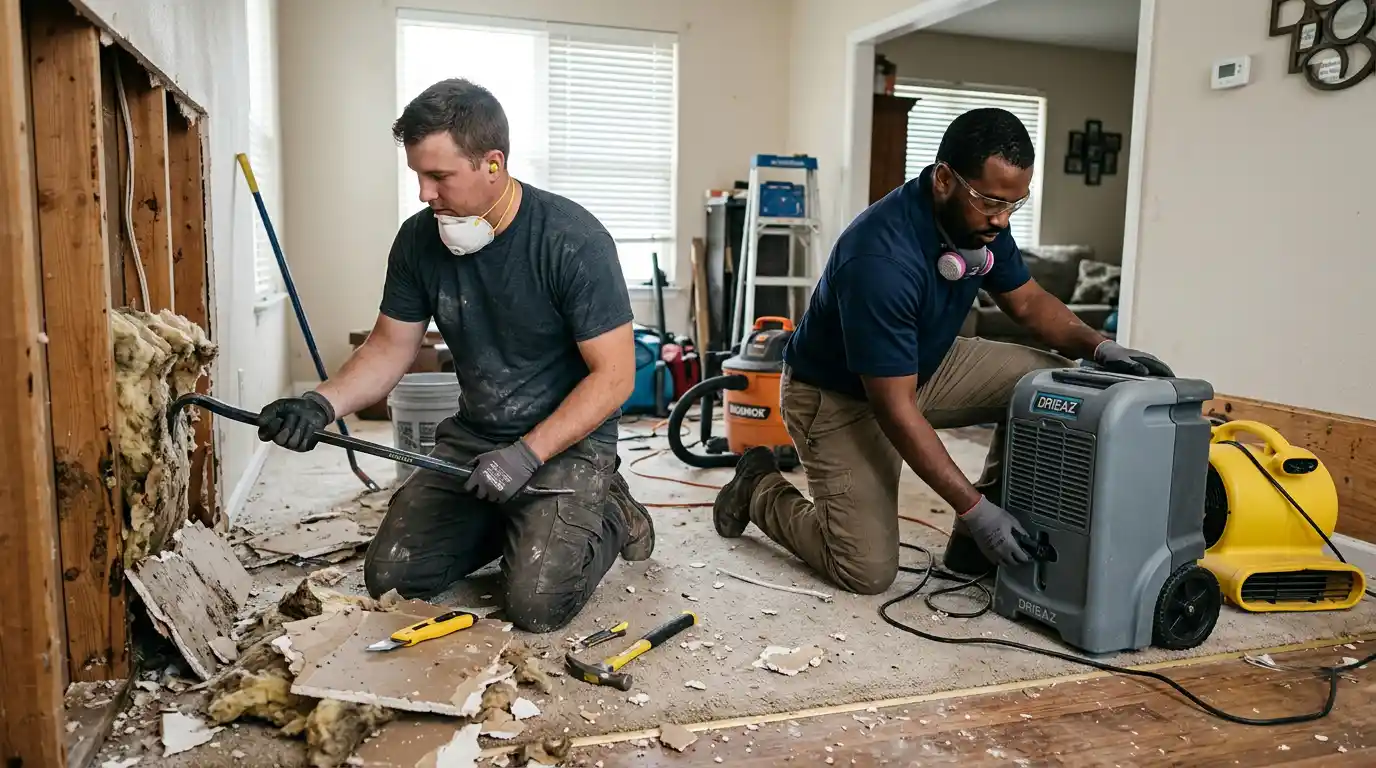
After visible water is removed, drying begins. This is the part many property owners underestimate. A floor can look dry while moisture remains inside the subfloor, behind baseboards, inside drywall, or in insulation.
That is one reason why the time it takes to dry out water damage depends on how much water entered, what materials were affected, and how quickly extraction began.
The EPA’s 24 to 48-hour mold-prevention window matters here too. Quick extraction gives drying a better chance to stay ahead of secondary damage.
Drying, cleanup, and damage evaluation happen together
Professional restoration is usually a combination of drying, cleaning, and deciding what can realistically be saved. That means looking at wet drywall, insulation, flooring, trim, cabinetry, and contents to determine whether materials can stay in place, need more drying time, or need removal.
This stage also depends on the water source. Clean water from a supply line leak is not the same as contaminated water from a sewer backup or storm-driven intrusion. If the water is unsanitary, cleanup decisions become more conservative because porous materials may not be suitable to keep.
That is why basement flooding after major rain and sewage backup losses are often treated differently from a small sink overflow. If your situation started below grade, the first steps after basement flooding can help you understand what to do before the full restoration plan begins.
Restoration is also about preventing secondary problems
A successful water restoration job is not only about removing water today. It is also about reducing the chance of a larger problem next week. Mold is one of the most common follow-on issues after delayed drying, repeated dampness, or hidden moisture behind walls and floors.
The basic rule is moisture control. When the water problem is not fully addressed, mold often returns.
That is especially relevant in basement-heavy homes, older buildings, and spaces that already have limited airflow. If moisture lingers after a roof leak, frozen pipe break, or flood event, the restoration plan may need to expand beyond simple cleanup. Mold after water damage is a common reason a small loss turns into a much more disruptive project.
The same logic applies to seasonal risks. Wisconsin averages 30 to 40 thunderstorm days per year, which helps explain why storm-prone properties can see repeated roof leaks, debris intrusion, and water entry during the warmer months. In winter, sustained cold and single-digit temperatures raise the risk of frozen pipes and meters, which can lead to costly repairs and water damage.
Those patterns make prevention and fast response part of the restoration conversation, not separate from it.
Repairs begin after the property is dry
Once water is removed and the affected structure is dried, restoration moves into repair planning. Depending on the loss, that may mean replacing sections of drywall, reinstalling flooring, repairing trim, or rebuilding more heavily damaged areas. The exact scope depends on what was salvageable and what had to be removed during cleanup.
This is also where property owners often make better decisions when they understand the sequence. Cleanup comes first. Drying must be complete enough to avoid trapping moisture. Only then do repairs make long-term sense.
That practical order is why it helps to review how to handle water damage before making fast cosmetic fixes that may cover, rather than solve, the problem.
When professional restoration is the right call
You should think about professional restoration-
- When water has spread beyond a small, contained area,
- When it has reached porous materials,
- When the source may be contaminated,
- Or when the damage affects a basement, multiple rooms, or a commercial space.
The same is true when the loss follows a storm, frozen pipe, sewage backup, or repeated leak that may have left hidden moisture behind.
In lake-adjacent communities, dense urban properties, and older homes with finished lower levels, water often travels farther than it first appears. The visible damage is not always the full damage. Restoration works best when it is treated as a sequence: stabilize, extract, dry, clean, evaluate, then repair.
Handled that way, water damage restoration becomes less mysterious. It is a disciplined response built to limit disruption, protect the structure, and help you make better recovery decisions while the loss is still manageable.
Frequently Asked Questions
1. How is water damage restoration different from basic water cleanup?
Basic cleanup usually removes visible water and surface mess. Restoration goes further by addressing trapped moisture, evaluating damaged materials, cleaning affected areas, and planning repairs. The goal is to reduce ongoing damage, not just make the space look dry.
2. What happens first during water damage restoration?
The first priorities are safety and stabilization. That means identifying the water source, checking for electrical or structural concerns, and preventing more water from entering or spreading. Once the site is stable, water removal and drying can begin in the right order.
3. How long does water damage restoration usually take?
It depends on how much water entered, how long it sat, and which materials were affected. Water extraction may happen quickly, but structural drying and repair decisions can take longer. Basements, multi-room losses, and repeated moisture problems often require a broader restoration plan.
4. Can you stay in the property during restoration?
Sometimes, yes, especially if the damage is limited and contained. In more severe losses, temporary relocation may make sense because of safety concerns, contamination, or the amount of active drying and cleanup underway. The answer depends on the source of the water and how widespread the damage is.
5. Why is drying so important after the standing water is gone?
Visible water is only part of the problem. Moisture can remain inside drywall, flooring, framing, and insulation even when surfaces seem dry. If that hidden moisture is not addressed, you can end up with odors, swelling, material breakdown, or mold growth later.
6. What should you do after basement flooding from heavy rain?
Start with safety. Avoid entering the area if water is near electrical components, and do not assume the water is clean. Basement flooding can involve stormwater, sewer backup, and hidden moisture in lower walls and stored contents, so it often needs more than surface cleanup.
7. Is sewer backup handled the same way as a pipe leak?
No. A pipe leak may involve cleaner water, while a sewer backup involves contamination concerns that change the cleanup approach. Porous materials and lower-level finishes may be harder to save, and the restoration plan usually needs to be more cautious.
8. What if the damage came from a frozen pipe?
Frozen pipe losses can release a large amount of water quickly, especially if the break happened while you were asleep or away. Restoration usually focuses on water removal, drying, material evaluation, and preventing mold from becoming the next problem once the pipe issue is addressed.
9. Can water damage lead to mold even if the area looks dry?
Yes. Surfaces can dry faster than the materials beneath them. If moisture remains in wall cavities, under flooring, or around trim, mold can begin to develop even when the room appears normal. That is why drying and follow-up evaluation matter so much.
10. What kinds of properties need professional water damage restoration?
Homeowners, renters, property managers, facility managers, and commercial property owners may all need it. Mixed-use buildings, basement-heavy homes, older structures, and spaces with tenants or operations to protect often benefit from a more structured restoration response.
Related posts:
![how-to-remove-a-section-water-damaged-drywall]()
How to Remove a Section of Water-Damaged Drywall (Without Making a Bigger Mess)
![How Structural Drying Services Help Masonry Basements Dry Properly]()
How Structural Drying Services Help Masonry Basements Dry Properly
![First-Signs-of-water-damage-on-Ceilings]()
Initial Signs of Water Damage on Ceilings: What to Look For and Why Acting Fast Matters
![Water Damage vs Flood Damage: What Is the Difference?]()
Water Damage vs Flood Damage: What Is the Difference?
![Water-Flood-Damage-Restoration]()
What is Water Damage Restoration
![how-to-dry-out-house-after-water-damage]()
How to Dry Out a House After Water Damage (Step-by-Step)
![1.-Is-Emergency-Water-Damage-Restoration-Expensive]()
Is Water Damage Restoration Expensive? What Raises the Cost