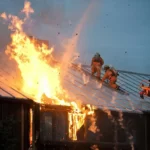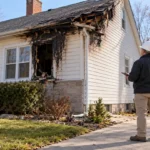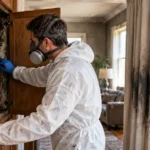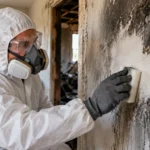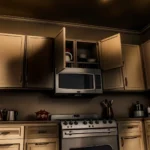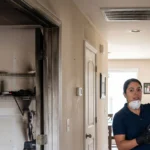



On the first cold morning in a Milwaukee-area neighborhood, you turn on the heat and smell an earlier kitchen, dryer, or fireplace fire again. In an older home, rental, or mixed-use building, odor may reach rooms untouched by flames.
The timing is a clue, but it does not prove the furnace is the source. Smoke odor removal starts by separating a new heating problem from old residue stirred by airflow.
Why Fire Smell Returns When the Heat Runs
Heating changes airflow inside a closed building. The odor source may sit inside the system or along its air path.
Smoke can follow the return-air path
If a forced-air system ran during a fire, a return grille may have drawn smoky air toward the filter, air handler, and ductwork. Residue can also collect around registers. When the fan runs again, odor may reach rooms that never saw flames. The same pathways help explain why smoke odors spread beyond the burned room.
Warm rooms can expose residue outside the ducts
Warm rooms can make odor in curtains, cabinets, and unfinished wood more noticeable. Closed windows reduce summer’s dilution. An odor that coincides with a heating cycle is useful evidence, but it is not proof that ductwork is contaminated. Compare returns, registers, the fire area, and contents before choosing cleanup.
What to Do Before You Run the System Again
The immediate priority is to distinguish an old smoke problem from a fresh equipment or combustion hazard. Do not use repeated heating cycles as a diagnostic test.
Treat a new burning or fuel smell as a separate warning
A new burning smell, visible smoke, unusual operation, or gas odor calls for prompt action. If a carbon monoxide alarm sounds, leave and call emergency services. For gas odor or active smoke, leave and seek appropriate emergency help. Smell cannot rule out carbon monoxide.
If the concern appears tied to heating equipment, have a qualified heating professional assess it before reuse. A prior fire does not explain every new odor. Furnace and boiler soot patterns can help you separate equipment questions from property cleanup questions.
Record the pattern without disturbing soot
- After entry is permitted and conditions are stable, note when the smell starts and which rooms are affected.
- Photograph deposits near registers, the filter, and fire damage.
- Tell the assessor whether the fan ran during the original event.
- Avoid rubbing soot or using a household vacuum on visibly affected areas, which can spread or embed fine residue.
Do not spray scent into vents
Fragrance may cover the smell briefly while leaving the source in place.
- Do not pour cleaners into ductwork, open mechanical components, or restart a damaged system to see whether the odor goes away.
- Even a small dryer fire can spread smoke outside the laundry room.
- View accessible areas without disturbing equipment.
- If fire smell returns when the heat starts, keep an affected system off until a qualified heating professional has ruled out an equipment problem.
For the property cleanup side, call (414) 571-9977 to discuss smoke residue, recurring odor, and whether fire damage restoration or odor removal fits the affected areas. Share the fire history and the rooms where you notice the smell so the next assessment starts with the right scope.
Where the Odor May Be Hiding
A useful assessment follows the route smoke took and the places that retained it. The source is not always behind the vent cover.
Returns, filters, and supply paths
The filter may hold visible residue from a past event, but changing it alone may not resolve an odor from nearby surfaces or internal components. Ask a qualified HVAC professional to evaluate the system and identify what actually needs attention. Duct cleaning should follow evidence of contamination rather than serve as a blanket first step. Use this guide to deciding whether ducts need cleaning when reviewing a proposed scope.
Rooms, contents, and connected spaces
- Inspect the fire room, adjoining rooms, stairwells, closets, cabinets, fabrics, and storage near air returns.
- In a multifamily or commercial property, note shared corridors and spaces served by the same equipment.
- Keep clean contents separate from visibly affected items while decisions about cleaning or replacement are made.
Water damage can add another odor
Firefighting water, a roof opening after a lightning strike, or a separate basement leak can leave damp materials alongside soot. Musty odor should not be labeled smoke odor without checking for moisture.
In basement-heavy properties, a heating unit near stored goods may sit beside a water loss with a different cleanup path. Persistent smoke and musty odors require different source checks.
What a Smoke Odor Removal Service Should Address
When comparing smoke odor removal services, ask for a scope naming affected surfaces, contents, and airflow paths. Fire smoke odor removal should explain each proposed step.
Separate HVAC service from fire cleanup
A heating specialist should address mechanical faults, venting, and whether the system can operate. Property restoration addresses soot and odor on building materials and contents. If the HVAC system was exposed, coordinate the findings so one task does not reintroduce residue after the other is complete.
Do not assume a register wipe, new filter, or whole-house duct treatment solves every pattern of odor.
Clean the source before cosmetic repairs
Surface cleaning, contents decisions, and odor treatment depend on what burned and where residue settled. Fire damage restoration services include soot and smoke cleanup, odor removal, and repairs when needed. Odor removal services address persistent smoke-related smells.
Paint or fragrance applied before source cleanup can make a room look finished while the smell remains.
Recheck the rooms during normal operation
- After qualified professionals have cleared the heating system for use and cleanup is complete, compare the odor at startup, during a full cycle, and after the fan stops.
- Note whether the smell is strongest at one register, throughout the building, or near materials unrelated to the ducts.
- If it returns, identify the remaining source before repeating the same treatment.
- This matters in rentals and commercial spaces where an unresolved odor can delay normal use.
Prepare for the Next Heating Season
A small amount of planning helps you catch changes early without assuming that every fall smell is old fire residue.
Keep a record of the original loss
- Save photographs, the fire date, affected rooms, and whether HVAC ran.
- Record firefighting water and later leaks near the mechanical area.
- This history can help you describe a returning smell accurately, especially after a summer of open windows or air conditioning.
Respond to a change, not just the calendar
Schedule routine heating service with a qualified professional and pay attention to new soot, unusual operation, or odors that appear only when equipment runs. For the question, “How do you get a smoke smell out of a house?” begin with the actual source and its path.
A systematic decision about residue, contents, HVAC condition, and damp materials is more useful than masking the air. The goal is a clear explanation for the smell and a cleanup scope that fits what you find.
Frequently Asked Questions
Why does smoke smell only when the heat starts?
The fan may move air past residue left from an earlier fire. Warming rooms and closed windows can also make odor in fabrics or building materials more noticeable. The timing helps locate the source, but it does not prove the ducts are contaminated.
Does a returning smell mean the furnace is malfunctioning?
No. Old smoke residue elsewhere in the property may become noticeable during a heating cycle. New soot, a fuel smell, unusual operation, or visible smoke needs a separate assessment by a qualified heating professional.
Should you run the fan to clear the smell?
Do not use the fan to test a system that may be damaged or produce a new burning smell. Airflow can carry an unresolved odor into more rooms. First establish that the heating equipment is fit to operate and identify where the residue remains.
Can changing the filter solve a smoke odor problem?
A filter can hold residue, and replacing an affected filter may be part of the response. It will not remove odor from cabinets, fabrics, ducts, or other system components. Check the full pattern before treating a filter change as the complete solution.
Does every HVAC system need duct cleaning after a fire?
No blanket decision fits every fire. The extent of smoke exposure, visible debris, and findings inside the system should guide the scope. A qualified assessment can distinguish duct contamination from odor coming from nearby rooms or contents.
Can a small cooking fire affect rooms away from the kitchen?
Yes. Smoke may travel through open doors, stairwells, gaps, and an operating forced-air system. Check rooms along those paths even when the burn damage stayed near the stove. The affected area may extend farther than the visible soot.
What should you do if soot appears near a furnace or register?
Record when it appeared and photograph the pattern without rubbing it away. New or recurring soot deserves a heating-system assessment, especially if operation has changed. Property cleanup decisions can follow once the equipment concern is understood.
Can fireplace smoke create the same heating-season complaint?
- It can leave odor in nearby materials or connected rooms, but a current fireplace or chimney problem also needs consideration.
- Note whether the smell follows fireplace use, central heating, or both.
- Have the relevant equipment evaluated before assuming it is only old residue.
Can a lightning-related fire leave smoke odor in the HVAC system?
It may if smoke reached returns or other airflow paths. A lightning event can also involve electrical damage and openings that admit water. Address those hazards first, then assess where smoke residue and any moisture settled.
Why might a fire-damaged property smell musty as well as smoky?
Water used to extinguish a fire can wet flooring, walls, contents, or nearby storage. A storm-damaged opening or unrelated basement leak can add moisture later. Trace the two odors separately so smoke cleanup does not overlook damp materials.
How should a property manager assess odor across several units?
- Record which spaces smell smoky and whether they share heating equipment or corridors.
- Include the original fire area, neighboring spaces, returns, and affected contents in the review.
- A room-by-room pattern helps separate a shared airflow issue from odor confined to one unit.
What if the smell returns after cleaning?
- Recheck the fire area, contents, connected rooms, and HVAC findings before repeating a treatment.
- The remaining source may sit outside the area first cleaned.
- Note whether the smell returns at startup, throughout a heating cycle, or even when the system is off.
Related posts:
![After the Fire's Out: How to Undergo Smoke Restoration]()
After the Fire's Out: How to Undergo Smoke Restoration
![Can a Fire-Damaged House Be Restored or Should It Be Demolished?]()
Can a Fire-Damaged House Be Restored or Should It Be Demolished?
![How Long Does Smoke Smell Last in a House After a Fire?]()
How Long Does Smoke Smell Last in a House After a Fire?
![End-of-Summer Smoke Odor Reset for Homes and Businesses]()
End-of-Summer Smoke Odor Reset for Homes and Businesses
![What Does Fire Damage Restoration Involve? Step-by-Step Process]()
What Does Fire Damage Restoration Involve? Step-by-Step Process
![Hidden-Dangers-of-Soot-After-a-Fire]()
The Hidden Dangers of Soot After a Fire
![Fireworks, Grill Fires, And Garage Fires: The Summer Smoke Damage Calls That Spread Faster Than Expected]()
Summer Smoke Damage From Fireworks, Grills, and Garages