

Seasonal property damage can leave smells behind after the visible mess looks handled. Heavy rain, storm exposure, winter freeze, fire damage, sewer backups, pet accidents, and hidden moisture can all create one frustrating result: a room that still smells wrong after cleaning.
That odor can be a clue that residue, moisture, contamination, or damaged material remains somewhere you cannot see. The better question is not “Which spray covers this?” It is “What is causing this, and what needs to happen before repair or re-use?”
Why Cleaning Alone Can Miss the Odor Source
Odor removal starts with the cause, not the air around it.
Regular cleaning helps with surface soil. It can reduce dust, food spills, light pet smells, and stale air. It does not always reach the layer where damage odors live. Smoke can settle into porous materials. Urine can move below carpet into pad and subfloor. Musty odor can come from damp drywall, wet trim, insulation, floor drains, or materials that dried on the surface but stayed wet inside.
Air fresheners, candles, carpet powders, and scented cleaners create a temporary change in the room. They do not remove soaked padding, soot residue, contaminated debris, or hidden moisture. When the smell returns after ventilation or deep cleaning, treat it as a building-condition clue.
For water-related losses, timing matters. Dry water-damaged areas and items within 24 to 48 hours when possible to help prevent mold growth. That window matters when odor appears after a vacant unit, finished basement, utility room, or shared commercial space has been wet.
Three Odor Problems That Need a Deeper Plan
Pet, smoke, and musty smells behave differently, so the cleanup plan should match the source.
Pet odors that reach the pad or subfloor
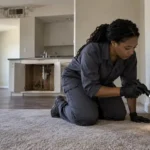
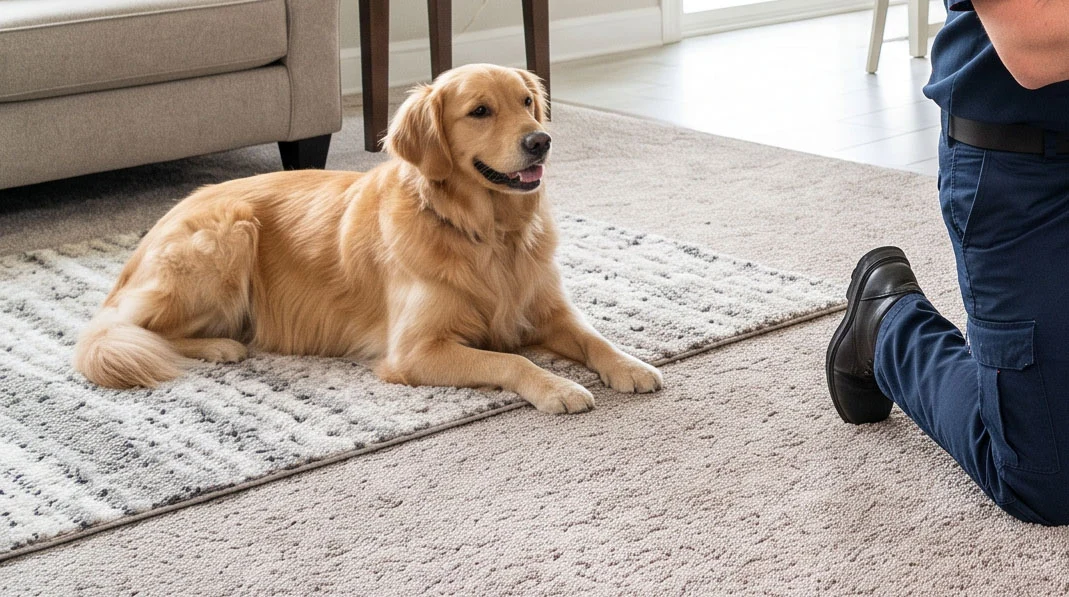
Light pet odor may improve with routine cleaning when it stays on washable surfaces. Strong urine odor is different. Liquids can move through carpet fibers into padding, tack strips, baseboards, and subfloor materials. Humidity can reactivate odor later, which is why a unit can smell acceptable one day and sharp again the next.
Smoke odors tied to soot and porous materials
Smoke odor often follows cooking fires, structure fires, fireplace incidents, and lightning-related fire damage. Soot and smoke residue can affect walls, ceilings, contents, cabinets, fabrics, and HVAC pathways. Guidance on removing smoke smell from your home often starts with ventilation and washable items, but persistent smoke odor needs a source-based cleanup plan.
Musty odors after water intrusion
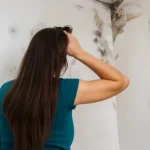
Musty odor often follows basement flooding, roof leaks, burst pipes, appliance leaks, stormwater intrusion, and lake-adjacent wind-driven rain. It can also appear after sewer backups and contaminated water situations. If the air smells damp after the floor looks dry, moisture may still be trapped in materials.
A deeper look at why musty odors can signal a bigger issue explains why odor should not be treated as a cosmetic complaint when water damage, mold concerns, or hidden moisture are possible.
If a persistent odor is connected to water, smoke, pet contamination, or a damaged structure, call (414) 571-9977 or request a free assessment. We can help determine whether cleaning, drying, odor removal, disinfection, mold removal, fire damage restoration, or repair planning is the safer next step.
How Professional Deodorization Works
Professional deodorization combines source removal, cleaning, drying, and odor neutralization.
Start with source identification
The first step is to understand what produced the smell. A musty basement after heavy rain is different from smoke residue after a fire. A sewer odor is different from pet urine in a subfloor. Professional deodorization looks for the material or condition feeding the odor.
Remove what keeps producing odor
Some odors cannot be solved while the source remains in place. Soaked padding, damaged porous materials, sewage-affected debris, or smoke-contaminated items may need removal before deodorization can work. This is common after basement flooding, sewer backups, fire damage, and storm openings.
Clean, dry, and neutralize
After the source is addressed, the next phase may include cleaning, water extraction and drying, disinfection, odor removal, and material evaluation. Our professional odor removal services are built around smoke, mold, pet, and biohazard odor concerns for homes and businesses.
Deodorization is most effective when it follows the loss. Water losses need drying. Fire losses need soot and smoke cleanup. Contaminated water losses may need disinfection. Storm losses may need board-up, tarp-over, debris removal, and interior drying before odor work makes sense.
When Odor Means the Loss Is Bigger Than Cleaning
Persistent odor can reveal damage that affects safety, access, operations, or repair decisions.
Basement-heavy homes and lower-level commercial spaces are vulnerable after heavy rain, sump pump problems, stormwater overload, and drain backups. Odor after flooding can come from wet contents, carpet pad, wall materials, floor drains, and contaminated water. A related guide on odor and water after a flood explains why smell and moisture often need to be addressed together.
After fire damage, odor can remain even after debris is removed. Smoke may settle into soft goods, walls, ceilings, cabinets, and mechanical pathways. If windows, doors, or roofing were damaged, board-up or tarp-over may be needed before interior cleanup continues. For businesses, smoke odor can affect customer areas, offices, tenant spaces, and shared corridors.
Storm winds, hail, fallen trees, broken windows, and damaged rooflines can create openings that let rain enter. Winter freeze can create burst-pipe water losses that spread through walls, ceilings, flooring, and storage areas. A guide on when basement odor means drying is not enough is useful when a lower level looks dry but still smells damp.
Practical Steps Before Help Arrives
Good first decisions can reduce confusion and protect the next phase of recovery. Keep the 24 to 48-hour drying window in mind.
Do this first
Keep people and pets away from standing water, sewage, smoke-damaged debris, unstable materials, and areas with possible electrical hazards. Document visible damage before moving items. Photograph stains, wet flooring, damaged contents, exterior openings, debris paths, and affected rooms.
Avoid these shortcuts
Do not repaint over a water stain before checking the source. Do not replace carpet while leaving wet pad or subfloor in place. Do not use consumer ozone machines without proper safety knowledge. Do not treat sewage-like odor as ordinary dampness.
For property managers, document each affected space separately. Odor in mixed-use corridors, tenant units, basements, or customer areas can affect access and repair sequencing.
Turn Odor Into a Clear Recovery Decision
The goal is not to perfume the space. The goal is to understand the loss and remove what is feeding the smell.
Pet, smoke, and musty odors tell you where cleaning may have stopped too soon. A surface may look clean while the source remains in the pad, subfloor, wall cavity, HVAC pathway, or damp structural material. Restoration planning may combine odor removal with water extraction and drying, mold removal, disinfection, fire damage restoration, debris removal, and reconstruction decisions.
If the smell keeps returning, bring in help before cosmetic repairs cover the evidence. We provide emergency restoration services for water, fire, mold, odor, storm, and cleanup needs.
Frequently Asked Questions
1. Why does my home still smell after deep cleaning?
Persistent odor usually means the source is still present. Cleaning may remove surface soil, but odors can stay in carpet pad, subfloor, drywall, insulation, soot residue, or damp materials. If the smell returns after ventilation, the space may need source removal, drying, odor removal, or repair planning.
2. Is basement odor after heavy rain a water damage issue?
It can be. Basement odor after heavy rain may come from wet contents, damp concrete, floor drains, wet carpet pad, or moisture behind finished surfaces. If the basement smells musty after the visible water is gone, water extraction and drying or mold removal services may be relevant.
3. What should I do after a sewer backup smell appears?
Avoid direct contact with affected water or materials. Keep people and pets out of the area when possible, and do not move contaminated items into clean spaces. Sewage backup cleanup, disinfection, odor removal, and drying may all be part of the response depending on the affected area.
4. Can frozen pipe damage cause musty odor later?
Yes. A frozen pipe may split and release water into walls, ceilings, flooring, cabinets, or storage areas. If the leak is not dried properly, odor can develop later from damp materials or hidden moisture. Frozen Pipes Water Damage Services and Water Extraction and Drying Services may be relevant.
5. When is mold removal connected to odor removal?
Mold removal may be relevant when musty odor follows delayed drying, repeated leaks, basement flooding, roof leaks, or hidden moisture. Odor alone does not confirm mold, but persistent mustiness should not be ignored. Qualified restoration help can evaluate the moisture source and affected materials.
6. Can smoke odor remain after a small fire?
Yes. Smoke can travel beyond the burned area and settle into porous surfaces, contents, cabinets, walls, ceilings, and airflow pathways. Even a smaller cooking or appliance fire can leave a stubborn odor. Fire Damage Restoration Services and Odor Removal Services may both be relevant.
7. Does lightning-related fire damage need odor removal?
It may. A lightning-related event can involve fire, smoke, soot, roof openings, electrical damage, or water used during response. If smoke odor remains, the next step should focus on residue, affected materials, and any opening that allowed water intrusion. Safety concerns should be handled first.
8. Can hail or wind damage create indoor odor problems?
Yes. Hail, wind, and roofline damage can let water enter behind siding, into attics, through windows, or around damaged roofing. Odor may appear later if moisture reaches insulation, drywall, trim, or stored contents. Storm & Wind Restoration Services, Hail Damage Restoration Services, and drying may be part of the plan.
9. What if a fallen tree damages the roof or wall?
Stay away from unstable areas and do not enter spaces with electrical, structural, or overhead hazards. Fallen tree damage can open the building to rain, debris, pests, and interior water damage. Fallen Tree Removal Services, Board-Up & Tarp-Over Services, Debris Removal Services, and restoration planning may be relevant.
10. Can lake-adjacent properties have odor after wind-driven water intrusion?
Yes. Wind-driven rain and shoreline storm exposure can push water into openings, lower levels, rooflines, or exterior assemblies. Odor may not appear until moisture sits in materials. The safest approach is to document the source, limit exposure, and evaluate drying, cleaning, and repair needs before cosmetic work.
11. Should repairs start before odor removal is finished?
Repairs should wait until the source, moisture, contamination, and affected materials are understood. Painting, flooring, trim, or drywall can trap the problem if the odor source remains. A better order is stabilization, extraction or cleanup, drying, disinfection or odor removal when needed, then repair planning.
Related posts:
![HOW-TO-GET-RID-OF-SMOKE-SMELL-FROM-YOUR-HOME]()
How to Get Rid of Smoke Smell from Your Home
![Tenant Move Out Odor Removal By Source Pet Mold Sewage And Smoke]()
Tenant Move-Out Odor Removal by Source: Pet, Mold, Sewage & Smoke
![Why Your Milwaukee Basement Still Smells After It Dries]()
Why Your Milwaukee Basement Still Smells After It Dries
![Summer Hoarding Cleanup: Why Waiting Can Worsen the Damage]()
Summer Hoarding Cleanup: Why Waiting Can Worsen the Damage
![When Basement Odor Means Drying Is Not Enough]()
When Basement Odor Means Drying Is Not Enough
![Why-Musty-Odors-Signal-a-Bigger-Problem]()
Why Musty Odors Signal a Bigger Problem