Mold exposure can cause health effects in some people, while others may notice no symptoms. The term black mold does not tell you whether a particular patch caused an illness or how severe someone's response will be. Medical concerns and property cleanup need separate, coordinated attention.
If you are worried about dark growth in a Wisconsin home, focus on what can be established: visible growth, damp materials, recurring leaks, and household members with health concerns. Those facts provide a better basis for action than internet claims about toxins or a diagnosis made from a wall photograph.
Recognize health concerns without diagnosing the cause yourself
Mold can be associated with respiratory and allergic effects
The CDC's mold guidance describes effects such as congestion, coughing, wheezing, and irritation in some exposed people. Individuals with asthma or mold allergies may have stronger reactions; certain health conditions warrant extra precautions.
These symptoms also have other causes. A pattern noticed at home is information to share with a healthcare professional, not proof that one mold species explains every symptom.
Urgent symptoms require medical attention
Do not wait for a restoration appointment to address severe breathing difficulty or another urgent medical concern. Seek appropriate medical care based on the person's condition. A cleanup plan cannot substitute for diagnosis or treatment.
Avoid unverified detox treatments, promises that one product removes every health risk, and claims that restoration will cure an illness. Those statements go beyond a property provider's role.
Assess the building using observable conditions
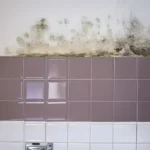
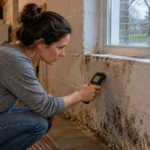
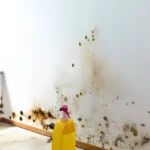
Dark spots alone do not show the full extent of the problem. Consider whether the material is wet, whether the patch is recurring, and whether growth may extend behind a finish.
- Record active or previous water leaks.
- Note areas with recurring condensation.
- Photograph accessible growth without disturbing it.
- Identify musty odors that persist after routine cleaning.
- Mention significant past water damage to the evaluator.
The CDC's Stachybotrys resource explains moisture conditions supporting that particular mold. It does not make visual identification a reliable health test.
Know when removal calls for qualified help
Extensive or concealed material needs a planned scope
Growth extending over a large area, inside cavities, or around HVAC components requires more than a casual surface wipe. The provider should evaluate access, affected materials, and how disturbance will be managed.
The EPA's homeowner cleanup guidance includes size guidance and important exceptions. Contaminated water, significant damage, and health concerns can justify professional assistance even when the visible patch looks small.
Household circumstances affect the practical response
If a person has a condition that makes exposure concerning, ask a healthcare professional about precautions and discuss occupancy during work with the property provider. Decisions should reflect actual circumstances rather than an assumption that everyone can remain nearby.
|
Concern |
Appropriate point of contact |
|
Persistent or concerning symptoms |
Qualified healthcare professional |
|
Visible growth and recurring dampness |
Mold or restoration evaluator |
|
Active plumbing leak |
Qualified plumber |
|
Suspected HVAC contamination |
Qualified system and remediation professionals |
|
Unsafe structural or electrical conditions |
Appropriate emergency or qualified safety help |
Ask for moisture correction as well as removal
Cleaning visible growth without controlling dampness can leave the same conditions in place. Leaks, condensation, and humidity each need a response matched to the source.
Discuss mold removal services with Emergency Restoration Specialists at (414) 571-9977. Ask the team to explain the affected area and the proposed property work without requesting medical assurances.
Material decisions should be explained clearly
Some surfaces can be cleaned appropriately; other materials may require removal because of condition, porosity, or contamination. The scope should identify the reasons for retaining or replacing them.
Completion means more than a better smell
Fragrances and surface coatings can conceal odors or stains. Ask how the work will address growth and moisture, what remains outside the scope, and whether follow-up evaluation is appropriate.
- Avoid sanding or brushing suspect material.
- Do not mix cleaning chemicals.
- Keep vulnerable occupants away from disturbance as advised.
- Save the proposed scope and source-repair records.
- Report recurring moisture after the work.
Keep medical expectations separate from restoration outcomes
The ERS team can discuss building recovery when mold or moisture affects your property. It cannot establish that a specific growth caused an illness or promise a particular health outcome after cleanup.
For recurring growth or damp building materials, call (414) 571-9977. For health symptoms, consult a healthcare professional and follow the guidance appropriate to the individual.
Frequently Asked Questions
Can mold exposure affect breathing?
It can be associated with respiratory effects in some people. Severity varies, and symptoms have multiple possible causes, so persistent or serious concerns need medical evaluation.
Does black color mean a higher health risk?
Color alone cannot determine species or individual risk. Address indoor growth and moisture without using appearance as a substitute for property assessment or medical advice.
Can symptoms identify Stachybotrys?
No. Symptoms do not identify the mold species in a building. A healthcare professional evaluates the person, while property professionals investigate the material and moisture conditions.
Should I wait for testing before seeking care?
Do not delay appropriate medical attention for concerning symptoms. Property testing, if useful, addresses a different question and does not replace medical evaluation.
Can a small patch require professional cleanup?
Yes. Location, contamination, significant water damage, and household health concerns can matter even when the visible area is limited. Size is not the sole decision factor.
Will removing mold cure an allergy?
Do not expect a restoration service to promise a medical cure. Reducing property exposure and managing an allergy are related but separate matters requiring appropriate expertise.
Is it safe to stay during the work?
That depends on the scope, containment, access, and occupants' circumstances. Ask the provider and healthcare professional about relevant precautions rather than assume a universal answer.
Can air freshener reduce mold exposure?
It can mask an odor but does not correct growth or dampness. Investigate the source rather than using fragrance as evidence that the building problem is solved.
What if symptoms continue after cleanup?
Follow up with a healthcare professional. Symptoms may have other causes, and their persistence does not by itself establish that the restoration failed or that mold remains.
Why is moisture correction part of removal?
Growth depends on suitable moisture conditions. Addressing the water pathway reduces the conditions supporting recurrence instead of repeatedly cleaning the same visible area.
Related posts:
![How to Remove Mold From Your House: What's DIY and What Isn't]()
How to Remove Mold From Your House: What's DIY and What Isn't
![Why-Milwaukee-Homes-Are-Prone-to-Mold-Growth]()
Why Milwaukee Homes Are Prone to Mold Growth
![Can Mold Come Back After Removal? Why Moisture Control Matters]()
Can Mold Come Back After Removal? Why Moisture Control Matters
![Is Black Mold Dangerous? What Homeowners Need to Know]()
Is Black Mold Dangerous? What Homeowners Need to Know
![The-Truth-About-DIY-Mold-Removal-Products]()
The Truth About DIY Mold Removal Products
![Seasonal-Mold-Spikes-What-Wisconsin-Residents-Should-Know]()
Seasonal Mold Spikes: What Wisconsin Residents Should Know
![Why Early Summer Mold Starts in Hidden Lower-Level Spaces]()
Why Early Summer Mold Starts in Hidden Lower-Level Spaces