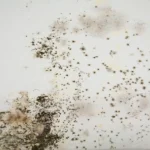
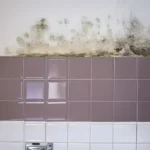
Yes, mold can return after removal if the building still provides enough moisture for growth. Cleaning a visible patch changes the surface condition, but it does not necessarily correct a leaking pipe, recurring condensation, or dampness trapped behind a finish.
Recurrence does not always mean the original work was performed incorrectly. A new leak or changed indoor conditions may create another problem. The useful response is to investigate what is wet now and compare it with the earlier cleanup record rather than repeat the same treatment by default.
Start by identifying where the moisture returns
Look for a repeat pattern at the same location
Growth appearing again beside a window, below a bathroom, or near an exterior foundation wall may point to a recurring pathway. The location provides a starting point, not a diagnosis of the cause.
The EPA's mold overview explains that moisture control is central to managing indoor growth. A surface that is repeatedly cleaned but repeatedly damp has not reached a stable condition.
Check for a new problem in an earlier work area
A repaired roof can develop another defect, plumbing can leak elsewhere, and ventilation patterns can change. Compare the new symptoms with the earlier scope and source repair instead of assuming every occurrence is identical.
Photographs, dates, and repair findings help distinguish an unchanged moisture problem from a separate event. They also allow providers to explain why additional investigation may be needed.
Surface drying can leave concealed materials wet
Enclosed assemblies need more than a touch test
The exposed finish may feel dry while insulation or a flooring layer remains damp. Closing a cavity too soon can leave moisture where it is difficult to observe afterward.
Ask how the previous work established readiness for repair. A specified number of drying days is not the same as evidence that the actual materials reached an appropriate condition.
Painting can conceal changes without resolving them
A coating may improve appearance, but it does not fix dampness behind the surface. If discoloration returns through the paint, investigate the source and material rather than apply another coat immediately.
- Record when new staining appeared.
- Note whether rainfall or fixture use preceded it.
- Check for condensation around cold surfaces.
- Save photos before another cleaning attempt.
- Report musty odors in adjoining spaces.
Separate leaks, humidity, and condensation during assessment
|
Moisture pattern |
What deserves investigation |
|
Changes after rain |
Roof or exterior water entry |
|
Dampness after fixture use |
Plumbing or drainage connections |
|
Repeated window condensation |
Indoor humidity and surface temperature |
|
Persistent basement dampness |
Groundwater, drainage, or other entry conditions |
|
Growth behind a repaired finish |
Source correction and concealed material readiness |
These patterns guide questions; they do not prove the mechanism. A provider should consider the property rather than diagnose it solely from the table.
The EPA's moisture-prevention guidance provides a useful framework for controlling dampness. The work may involve more than one trade when plumbing, roof details, or mechanical ventilation are implicated.
Plan a response that addresses both recurrence and cause
Evaluate the affected material again
Recurring growth may extend beyond what was visible during the first incident. Material condition, access, and possible contamination influence whether cleaning, removal, or further investigation is appropriate.
Discuss mold removal services with ERS at (414) 571-9977. Share the earlier repair record and explain what changed, including any newly identified leaks.
Clarify who will correct the source
A cleanup team may not perform every plumbing, roofing, or building-envelope repair. Identify the responsible provider and coordinate the sequence so affected materials are not closed before the source is addressed.
Ask what remains outside the proposed scope. That question is especially useful when a second estimate appears to repeat earlier work without explaining why the growth returned.
Monitor conditions after the follow-up work
Keep observations simple and specific. Look for the previous moisture pattern, photograph changes, and report recurring dampness promptly. Do not assume an absence of visible growth proves every concealed area is dry.
- Retain source-repair invoices and findings.
- Keep cleanup and material-removal records.
- Follow equipment and ventilation instructions.
- Check earlier trouble spots during relevant weather.
- Arrange evaluation if stains or odors return.
Do not direct ordinary fans across suspect growth or mix chemical products in an attempt to prevent recurrence. Product use should fit authoritative guidance and the actual material.
Expect moisture control rather than impossible guarantees
Mold spores occur naturally, so no property service can meaningfully promise that every spore is gone forever. A practical plan addresses unwanted indoor growth and the conditions that allow it to develop.
The ERS team can discuss recurring growth and damp building materials. Call (414) 571-9977 to review the property concern and the restoration work needed alongside source correction.
Frequently Asked Questions
Does mold recurrence prove the first cleanup failed?
No. The moisture source may remain unresolved, but a new leak or changed conditions can also cause recurrence. Compare current findings with the earlier scope before reaching a conclusion.
Can growth return behind new drywall?
Yes, if suitable moisture remains or returns. Confirm source correction and material readiness before closing a cavity, then investigate new signs rather than assuming the fresh finish rules out a problem.
Will mold-resistant paint stop every recurrence?
Do not treat a coating as a substitute for moisture correction. Its suitability and limits depend on the product and surface, while the underlying dampness still needs attention.
Can condensation cause growth without a leak?
Yes. Moisture can collect on cold surfaces when indoor conditions support condensation. Evaluate humidity, ventilation, and surface temperature rather than search only for a broken pipe.
Does a dehumidifier fix a roof leak?
No. It may affect indoor moisture conditions but does not repair the water-entry defect. Coordinate source repair with assessment of the materials already affected.
Should I clean the same patch every week?
Repeated cleaning without source investigation can leave the cause unchanged. Keep a record of recurrence and arrange evaluation instead of treating the pattern as ordinary maintenance.
Can a musty smell return before visible growth?
An odor can justify investigating dampness, but it does not prove a species or exact location. Report the pattern and nearby moisture evidence to the evaluator.
What records help a second assessment?
Provide earlier photos, cleanup scopes, source-repair findings, and dates when symptoms returned. Those records help determine whether the problem continued or a separate event occurred.
Is professional help needed for every recurrence?
The decision depends on extent, material, access, contamination, and health circumstances. Recurring or concealed conditions often merit evaluation beyond another surface treatment.
Can a contractor guarantee mold never returns?
Be cautious about an unlimited promise. Future water conditions can change; ask what the work addresses, what maintenance is needed, and what any written warranty actually covers.
Related posts:
![Mold Removal Is A Challenging Process]()
Mold Removal Is A Challenging Process
![Mold Removal vs. Mold Remediation: What's the Difference?]()
Mold Removal vs. Mold Remediation: What's the Difference?
![Damage Inspection: The Process]()
Damage Inspection: The Process
![Can Black Mold Make You Sick? Signs It's Time for Professional Removal]()
Can Black Mold Make You Sick? Signs It's Time for Professional Removal
![Attic Mold Remediation Before Snow: What Insulation Hides]()
Attic Mold Remediation Before Snow: What Insulation Hides
![Why-Milwaukee-Homes-Are-Prone-to-Mold-Growth]()
Why Milwaukee Homes Are Prone to Mold Growth
![Why Apartment Mold Complaints Often Surface in August]()
Why Apartment Mold Complaints Often Surface in August