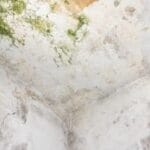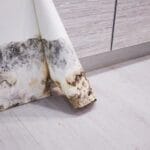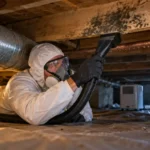



Mold is one of the most common and frustrating problems for homeowners in Milwaukee. From hidden colonies creeping behind drywall to visible black mold spreading across basements, the threat is very real. Not only does mold damage property, but it also puts health at risk. Understanding why Milwaukee homes are especially vulnerable to mold growth is the first step toward prevention and protection.
The Climate Factor: Milwaukee’s Humidity and Mold Growth
Milwaukee experiences a unique blend of weather patterns. With cold winters, hot summers, and high humidity levels during the transitional months, homes are exposed to significant moisture changes. Mold thrives in environments with:
- High humidity (above 60%)
- Warm temperatures (between 77–86°F)
- Poor ventilation
Wisconsin’s fluctuating climate makes it easy for mold spores to settle, grow, and spread indoors. Basements, bathrooms, attics, and kitchens often become breeding grounds.
Common Causes of Mold in Milwaukee Homes
Several local and structural factors make Milwaukee homes more prone to mold:
1. Basement Moisture Issues
Milwaukee homes often have basements, which are naturally prone to flooding, seepage, and condensation. Once water enters the foundation, mold can grow on wood framing, insulation, and drywall.
2. Roof Leaks from Snow and Ice
Heavy snowfall and ice dams are common in Wisconsin winters. When snow melts unevenly, water can seep beneath shingles, causing slow leaks. Moisture trapped in ceilings and walls provides the perfect conditions for mold.
3. Old Plumbing and Frozen Pipes
Many Milwaukee homes are decades old. Aging plumbing systems, combined with the risk of frozen pipes during harsh winters, often result in hidden leaks. By the time homeowners notice, mold may already have spread.
4. Poor Ventilation in Older Homes
Historic Milwaukee properties are beautiful, but many were not built with modern ventilation standards. Without proper airflow, moisture lingers in bathrooms, kitchens, and attics—feeding mold growth.
5. Summer Storms and Flooding
Milwaukee’s storm season brings heavy rains that can overwhelm sump pumps and drainage systems. Even a few inches of standing water in the basement can lead to rapid mold infestation within 24–48 hours.
Why Mold is Dangerous for Homeowners
Mold is not just an unsightly issue—it carries significant risks:
- Health Problems: Mold exposure can trigger allergies, asthma, chronic coughing, and even serious respiratory infections.
- Structural Damage: Mold eats away at wood, drywall, and insulation, weakening your home’s foundation.
- Decreased Property Value: Homes with mold issues are harder to sell and may fail inspections.
For Milwaukee homeowners, mold remediation is not just a repair—it’s an investment in long-term safety.
Signs of Mold in Your Milwaukee Home
Mold is sometimes visible, but often it grows unnoticed. Here are warning signs to look for:
- Musty or damp odors
- Discoloration on walls, ceilings, or floors
- Warping or bubbling paint
- Increased allergy or asthma symptoms indoors
- Persistent water stains
If you notice any of these, it’s time to contact a professional remediation service.
The Role of Professional Mold Remediation
DIY solutions might seem tempting, but they rarely solve the problem. Scrubbing with bleach or repainting over mold only hides the issue. Mold spores can survive in hidden areas like inside walls or under flooring.
Why Choose a Professional?
- Advanced Tools: Professionals use air scrubbers, HEPA vacuums, and moisture detection equipment.
- Containment Systems: Certified technicians prevent spores from spreading to other parts of your home.
- Safe Disposal: Contaminated materials are safely removed and replaced.
- Long-Term Prevention: Experts identify and repair the source of moisture, preventing future outbreaks.
ERS Emergency Restoration Specialists, with over 30 years of experience in Milwaukee, offers certified mold remediation services that restore safety and peace of mind.
Preventing Mold in Milwaukee Homes
Prevention is always better than remediation. Homeowners can reduce their risks by:
- Using Dehumidifiers: Keep indoor humidity below 50%.
- Maintaining Gutters & Downspouts: Ensure water is directed away from the foundation.
- Sealing Basements: Waterproof walls and floors to prevent seepage.
- Regular Roof Inspections: Prevent leaks from snow, rain, and ice.
- Improving Ventilation: Install exhaust fans in kitchens, bathrooms, and attics.
- Fixing Leaks Immediately: Even small plumbing leaks can lead to major mold issues.
By staying proactive, Milwaukee homeowners can significantly reduce mold risks.
Why Choose ERS for Mold Remediation in Milwaukee?
ERS Emergency Restoration Specialists is a locally owned and operated company with:
- IICRC-certified technicians
- 24/7 emergency response
- Direct insurance billing
- Over 155 five-star reviews
- 30+ years of proven experience
When it comes to mold, every hour matters. Our team responds within 60 minutes, providing free inspections and expert remediation that restores both property and peace of mind.
FAQs
1. Why is mold so common in Milwaukee homes?
Milwaukee’s climate creates ideal mold conditions—high humidity in summer, melting snow in winter, and frequent storms. Many homes also have basements that trap moisture, making them prone to mold infestations. Older plumbing, poor ventilation, and aging foundations add to the problem. This combination makes professional prevention and remediation essential.
2. Can I remove the mold myself with bleach?
Bleach might clean surface mold temporarily, but it does not kill spores hidden in walls, flooring, or insulation. In fact, using bleach can sometimes make mold return faster. Professional remediation ensures mold is safely contained, removed, and prevented from spreading again.
3. How fast can mold grow after water damage?
Mold can begin growing within 24–48 hours after water exposure. That’s why it’s crucial to act quickly after flooding, leaks, or sewage backups. The longer moisture lingers, the faster mold spreads, and the more damage it causes to your property.
4. Is mold dangerous for my health?
Yes. Mold exposure can cause allergy-like symptoms such as sneezing, coughing, eye irritation, and skin rashes. Long-term exposure may worsen asthma and lead to respiratory infections. Vulnerable groups like children, the elderly, and those with weakened immune systems are especially at risk.
5. How do I know if I need professional mold remediation?
If mold covers more than 10 square feet, keeps returning after cleaning, or is causing health problems, professional remediation is necessary. Trained technicians use containment, removal, and moisture control to reduce recurrence risk.
6. Will homeowners insurance cover mold removal?
Insurance coverage depends on the cause of mold. If it results from a covered event like a burst pipe, it may be included. However, mold caused by long-term neglect or poor maintenance is often excluded. ERS helps customers with direct insurance billing to simplify the claims process.
7. What areas of my Milwaukee home are most at risk for mold?
Basements, attics, bathrooms, and kitchens are the most common hotspots. These areas often have high humidity, poor airflow, and hidden leaks. Seasonal flooding and roof damage can also trigger mold growth in ceilings and walls.
8. How can I prevent mold during Milwaukee winters?
Preventing ice dams, insulating pipes, and keeping basements dry are key winter mold prevention steps. Using a dehumidifier, sealing foundation cracks, and ensuring proper ventilation help keep mold at bay even in harsh Wisconsin weather.
📞 Call ERS Emergency Restoration Specialists today at (414) 571-9977 for professional mold remediation services in Milwaukee. Fast, reliable, and trusted by over 155 satisfied homeowners.
Related posts:
![Tips-for-Handling-Mold-and-Water-Damage-in-a-Rental-Property-300x200-1]()
Tips for Handling Mold and Water Damage in a Rental Property
![Damage Inspection: The Process]()
Damage Inspection: The Process
![Why Apartment Mold Complaints Often Surface in August]()
Why Apartment Mold Complaints Often Surface in August
![Commercial Mold Remediation: What Forgotten Stock Rooms Can Hide]()
Commercial Mold Remediation: What Forgotten Stock Rooms Can Hide
![Mold: A Threat The Needs To Be Removed]()
Mold: A Threat The Needs To Be Removed
![Crawl Space Mold Remediation When Summer Humidity Wont Leave]()
Crawl Space Mold Remediation: When Summer Humidity Won’t Leave
![Can Black Mold Make You Sick? Signs It's Time for Professional Removal]()
Can Black Mold Make You Sick? Signs It's Time for Professional Removal