Mold in a home deserves attention, but a dark color does not tell you exactly what species it is or how it will affect a particular person. Black mold is a common search term, not a complete diagnosis of the material or the health risk.
The practical response is to address mold and the moisture supporting it, while considering the size of the problem and the people who may be exposed. Avoid both dismissing visible growth and assuming that every dark patch is a life-threatening toxin.
Mold color cannot determine the health risk
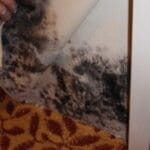
Several molds can appear dark or black
Stachybotrys chartarum is one greenish-black mold, but appearance alone does not identify it. The CDC's Stachybotrys facts explains that it grows on certain materials under sustained moisture conditions.
A phone photo cannot establish the species, exposure level, or a person's medical condition. The need to investigate dampness does not depend on proving that the growth belongs to one particular species.
Individual responses to mold exposure differ
The CDC's mold overview discusses respiratory and allergic effects and people who may need additional precautions. Some individuals have no symptoms, while others can experience health problems associated with exposure.
Symptoms alone do not identify a specific mold in the home. Speak with a healthcare professional about persistent or concerning symptoms; a restoration provider's role is evaluating the property, not diagnosing illness.
Evaluate the moisture condition before choosing cleanup
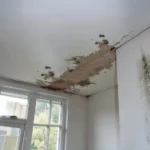
Leaks, condensation, wet materials, and high humidity can support indoor growth. Finding that moisture pathway helps prevent a cycle of cleaning the surface while the underlying cause remains active.
In Wisconsin homes, investigate recurring basement dampness, leaking plumbing, and condensation around colder surfaces based on direct evidence. Do not assume a local weather condition caused the problem without checking the actual building.
- Record where growth or staining appears.
- Note active leaks and repeated dampness.
- Check whether adjoining materials are affected.
- Avoid disturbing suspected growth unnecessarily.
- Consider household members who need added precautions.
Use mold removal services when the situation calls for qualified evaluation. Contact ERS at (414) 571-9977 to discuss the property conditions and an appropriate scope.
Cleanup decisions depend on more than square footage
Small surface growth may be manageable in some cases
The EPA's home mold-cleanup guidance explains that many areas smaller than roughly ten square feet can be handled by homeowners, with important exceptions. Significant water damage, contaminated water, HVAC involvement, and health concerns change that decision.
The size guidance is not a universal clearance to clean anything below a threshold. Ask for qualified advice if the material, contamination, access, or health circumstances make the situation uncertain.
Concealed or widespread growth needs a broader plan
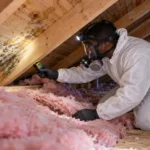
A patch on a wall may be connected with dampness behind it. Removing a finish without planning can disturb material and spread debris. If the affected area is extensive or inside building assemblies, discuss access and containment with a qualified provider.
|
Observation |
Practical significance |
|
Visible dark growth |
Needs moisture and material evaluation, not color-based diagnosis |
|
Recurring growth after wiping |
The moisture source may remain unresolved |
|
Wet porous materials |
Retention and removal need careful consideration |
|
Suspected HVAC contamination |
Avoid casual disturbance and obtain qualified advice |
|
Sensitive occupants |
Consider health guidance when planning access and cleanup |
Avoid remedies that conceal the problem
Painting over growth does not remove the affected material or fix the moisture. Fragrance products can hide an odor without addressing what produces it. A chemical product alone does not establish that the property is ready for normal use.
Do not mix cleaners or assume bleach is the right answer for every surface. Follow authoritative cleanup guidance and product instructions for a suitable task; obtain professional help when the situation falls beyond that scope.
- Avoid dry brushing or sanding suspect growth.
- Do not direct ordinary fans across contaminated material.
- Keep children and pets away from cleanup work.
- Address leaks rather than repeatedly masking stains.
- Ask how completion will be evaluated.
Choose an assessment based on the actual concern
Ask the provider to explain the affected area, likely moisture source, proposed material decisions, and boundaries of its service. Do not accept a medical promise that cleanup will cure symptoms or make every exposure concern disappear.
The ERS team can discuss the restoration side of a mold problem. For recurring growth or damp building materials, call (414) 571-9977. For health symptoms, speak with a qualified healthcare professional and seek urgent care when appropriate.
Frequently Asked Questions
Is every black patch Stachybotrys?
No. Many molds and nonmold stains can look dark. Appearance alone cannot identify a species, but visible growth and moisture still deserve attention.
Is black mold more dangerous than every other mold?
Color is not a reliable risk ranking. Mold exposure and individual susceptibility matter, and indoor growth should be addressed without relying on a species label to decide whether action is necessary.
Can mold cause coughing or irritation?
Mold exposure can be associated with respiratory or allergic effects in some people. Those symptoms have other causes too, so a healthcare professional should evaluate persistent or concerning symptoms.
Does no visible mold mean no moisture problem?
No. Dampness can exist inside cavities or beneath finishes. Investigate leaks and musty odors appropriately rather than assuming the building is unaffected because a wall looks clean.
Should I buy a home test kit first?
Testing is not always needed to decide that visible growth and moisture need correction. Discuss the specific purpose of any testing instead of treating a kit result as a medical or cleanup decision.
Can I paint over the affected area?
Not as a substitute for cleanup and moisture correction. The material condition and source need attention before finishes are restored.
Is a small patch always safe to clean myself?
No. Area size is only one consideration. Contamination, significant water damage, inaccessible material, HVAC concerns, and occupant health circumstances may justify qualified help.
Can mold grow without an active plumbing leak?
Yes. Condensation or persistent humidity can supply moisture. The investigation should consider the actual environment rather than focus only on broken pipes.
Should sensitive people help with cleanup?
They may need additional precautions or to avoid the work. Follow healthcare and authoritative cleanup guidance based on the person's condition and the property's circumstances.
Can restoration diagnose a mold-related illness?
No. Property assessment and medical diagnosis are separate roles. Ask restoration providers about materials and moisture, and healthcare professionals about symptoms and treatment.
Related posts:
![MoldHealthProblems-1]()
Can Mold Cause Health Problem
![Mold-vs.-Mildew-Whats-Growing-in-Your-Home]()
Mold vs. Mildew: What’s Growing in Your Home?
![Protect-your-family-from-Mold-danger-768x432-1]()
Protect Your Family From Mold Danger With These Tips
![Attic Mold Remediation Before Snow What Insulation Hides]()
Attic Mold Remediation Before Snow: What Insulation Hides
![Where Does Mold Grow?]()
Where Does Mold Grow?
![The Importance of Quickly Detecting and Removing Mold]()
The Importance of Quickly Detecting and Removing Mold
![mold-after-water-damage-what-you-need-to-know-and-how-to-act-fast]()
Mold After Water Damage: What You Need to Know and How to Act Fast