


When water damage strikes whether from a burst pipe, heavy storm, appliance failure, or sewage backup—the urgency to act is immediate. Water can seep into walls, flooring, and structural components within minutes, causing extensive and expensive damage if not handled correctly. In these critical moments, the quality of the restoration team you hire can make all the difference. That’s why certified technicians matter so much in water damage restoration.
For property owners, choosing a company staffed with certified professionals isn’t just a preference, it’s a safeguard for your home, health, and financial investment.
The Complexity of Water Damage Restoration
Water damage restoration is far more complex than simply removing visible water and drying surfaces. It requires a deep understanding of building materials, moisture behavior, microbial growth, and structural integrity. Water can travel behind walls, under flooring, and into insulation, creating hidden pockets of moisture that lead to mold growth and long-term deterioration.
Certified technicians are trained to:
- Assess the full extent of water intrusion
- Identify hidden moisture using specialized equipment
- Classify and categorize the type of water damage
- Develop a targeted drying and restoration plan
- Prevent secondary damage like mold growth
Without this expertise, incomplete drying or improper restoration can result in recurring issues, higher repair costs, and potential health risks.
Proper Training Makes a Critical Difference
Certification means technicians have completed formal training and testing in industry-recognized standards. Organizations such as the Institute of Inspection Cleaning and Restoration Certification (IICRC) set rigorous guidelines for water damage restoration practices. Certified professionals are trained in:
- Structural drying science
- Psychrometrics (the study of air and moisture)
- Safe handling of contaminated water
- Advanced extraction and dehumidification techniques
- Mold prevention protocols
This training ensures they understand not only how to remove water but how to restore a property safely and efficiently.
At ERS, certified technicians undergo continuous training to stay up to date with the latest restoration techniques and equipment advancements. This commitment to education ensures every project is handled with precision and professionalism.
Advanced Equipment Requires Skilled Hands
Water damage restoration involves sophisticated tools such as:
- Commercial-grade extractors
- Industrial air movers
- Low-grain refrigerant dehumidifiers
- Moisture meters
- Infrared thermal imaging cameras
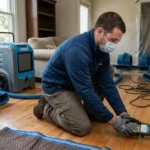
While the equipment is powerful, it’s only effective in the hands of trained professionals. Certified technicians know how to position drying equipment strategically, monitor moisture levels accurately, and adjust the drying plan based on real-time data.
Improper equipment use can lead to uneven drying, warping, cracking, or lingering moisture. Certification ensures technicians understand how to maximize efficiency while protecting the integrity of the property.
Preventing Mold and Secondary Damage
One of the most significant risks of water damage is mold growth. Mold can begin developing within 24 to 48 hours in damp environments. Once mold spreads, remediation becomes more complex and costly.
Certified technicians are trained to:
- Identify early signs of mold growth
- Apply antimicrobial treatments when appropriate
- Control humidity levels effectively
- Prevent cross-contamination during cleanup
By addressing moisture thoroughly and quickly, certified professionals reduce the likelihood of long-term health hazards and structural damage.
ERS has built a reputation as leaders in water damage restoration by prioritizing thorough drying processes and proactive mold prevention. Their certified teams focus on protecting both property and occupants from hidden risks.
Understanding Water Categories and Safety Protocols
Not all water damage is the same. Industry standards classify water into three categories:
- Clean Water – From sources like broken supply lines or rainwater
- Gray Water – From appliances or slightly contaminated sources
- Black Water – Highly contaminated water, often from sewage backups or flooding
Each category requires specific safety procedures and protective measures. Certified technicians understand the health risks associated with contaminated water and use proper personal protective equipment (PPE) and containment procedures to ensure safe restoration.
Attempting cleanup without this knowledge can expose property owners to harmful bacteria, pathogens, and toxins.
Insurance Documentation and Professional Reporting
Water damage restoration often involves insurance claims. Proper documentation is essential to ensure coverage and fair compensation. Certified technicians are trained to:
- Provide detailed moisture readings
- Document affected areas thoroughly
- Follow industry-standard restoration procedures
- Produce accurate reports for adjusters
This level of professionalism helps streamline the claims process and reduces disputes.
ERS works closely with insurance providers, delivering clear documentation and transparent communication throughout the restoration process. Their certified teams ensure that every step meets industry guidelines, providing peace of mind for homeowners and business owners alike.
Protecting Structural Integrity
Water can weaken framing, drywall, subflooring, and other structural components. If not properly dried and restored, buildings may suffer long-term instability or hidden deterioration.
Certified technicians understand building science and material response to moisture. They know when materials can be salvaged and when replacement is necessary. This balanced approach prevents unnecessary demolition while ensuring the property is safe and structurally sound.
ERS has established itself as a trusted name in the industry by combining technical expertise with careful evaluation, ensuring each project is restored efficiently and correctly the first time.
Faster Recovery, Lower Costs
Time is critical in water damage situations. The longer moisture remains, the greater the damage becomes. Certified technicians act quickly, implement strategic drying plans, and monitor progress to reduce downtime.
Their expertise often results in:
- Shorter drying times
- Reduced risk of mold
- Minimized material replacement
- Lower overall restoration costs
By hiring a certified team from the start, property owners can avoid costly secondary repairs and prolonged disruptions.
The ERS Difference
When it comes to water damage restoration, experience and certification matter. ERS stands out as a leader in the field, known for employing highly trained, certified technicians who adhere to the highest industry standards. Their commitment to ongoing education, advanced technology, and customer care ensures every restoration project is handled with expertise and integrity.
From initial assessment to final inspection, ERS prioritizes thoroughness, safety, and efficiency. Their certified professionals understand that restoring a property isn’t just about removing water—it’s about restoring comfort, stability, and peace of mind.
Final Thoughts
Water damage restoration is a specialized science that demands training, precision, and adherence to industry standards. Certified technicians bring the knowledge, skills, and professionalism necessary to protect properties from long-term damage and health risks.
Choosing a company staffed with certified professionals ensures that every step from assessment to drying to documentation is handled correctly. When facing water damage, trust matters. And with certified experts like those at ERS leading the way, property owners can feel confident their restoration is in capable hands.
Frequently Asked Questions
What should I do immediately after discovering water damage?
The first step is to ensure safety turn off electricity in affected areas if it’s safe to do so and avoid contact with standing water. Then, stop the water source if possible (such as shutting off the main water valve). Contact a professional water damage restoration company like ERS immediately to begin mitigation and prevent further damage.
How quickly should water damage be addressed?
Water damage should be addressed within 24–48 hours. Mold can begin to grow in as little as one day, and prolonged moisture can weaken structural components. Fast action significantly reduces repair costs and health risks.
How long does the water damage restoration process take?
The timeline depends on the extent of the damage, the type of water involved, and the materials affected. Minor cases may take 2–3 days for drying, while more severe damage could take a week or longer. Certified technicians at ERS use advanced drying equipment and monitoring tools to complete the process as efficiently as possible.
Will my insurance cover water damage restoration?
Most homeowner insurance policies cover sudden and accidental water damage, such as burst pipes or appliance failures. However, coverage may not apply to long-term leaks or flood damage without separate flood insurance. ERS works directly with insurance providers and helps document the damage to streamline your claim.
What are the different categories of water damage?
Water damage is classified into three categories:
–Clean Water: From broken pipes or rainwater.
–Gray Water: Slightly contaminated water from appliances.
–Black Water: Highly contaminated water from sewage or flooding.
Each category requires specific safety procedures and restoration methods.
How do professionals detect hidden moisture?
Certified technicians use specialized equipment such as moisture meters, infrared cameras, and hygrometers to locate moisture behind walls, under flooring, and inside structural materials. This ensures thorough drying and helps prevent mold growth.
Can I clean up the water damage myself?
Small spills may be manageable, but significant water damage requires professional equipment and expertise. DIY cleanup often misses hidden moisture, leading to mold, structural issues, and costly repairs later. Hiring certified technicians ensures the job is done safely and correctly.
How do you prevent mold after water damage?
Prevention involves rapid water extraction, proper dehumidification, and antimicrobial treatments when necessary. Certified restoration teams like ERS closely monitor humidity levels and moisture readings to ensure affected areas are completely dry before finalizing the project.
Do I need to leave my home during restoration?
In many cases, homeowners can remain in the property, especially if the affected area is contained. However, for extensive damage or contaminated water (such as black water), temporary relocation may be recommended for safety reasons.
Why should I choose a certified water damage restoration company?
Certified companies follow industry standards, use advanced equipment, and understand proper drying science. This reduces the risk of mold, structural damage, and recurring issues. ERS stands out as a leader in water damage restoration by employing highly trained, certified technicians who deliver thorough, professional results every time.
Related posts:
![Tips-for-Handling-Mold-and-Water-Damage-in-a-Rental-Property-300x200-1]()
Tips for Handling Mold and Water Damage in a Rental Property
![Preventing-Secondary-Water-Damage-After-Initial-Cleanup]()
Preventing Secondary Water Damage After Initial Cleanup
![Final-Inspection-Checklist-After-Water-Damage-Restoration]()
Final Inspection Checklist After Water Damage Restoration
![Information About Water Damage and Restoration]()
Information About Water Damage and Restoration
![Finding A Good Basement Water Damage Cleanup Service Near You]()
Finding A Good Basement Water Damage Cleanup Service Near You
![How-to-fix-water-damaged-wood-floor]()
How to Fix a Water-Damaged Wooden Floor (Step-by-Step Guide)
![How To Determine If Your Home's Water Damage Is Recent Or Old]()
How To Determine If Your Home's Water Damage Is Recent Or Old