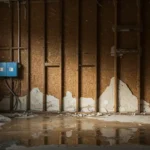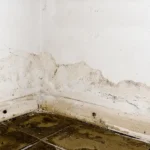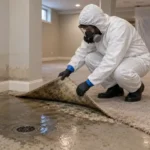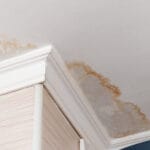


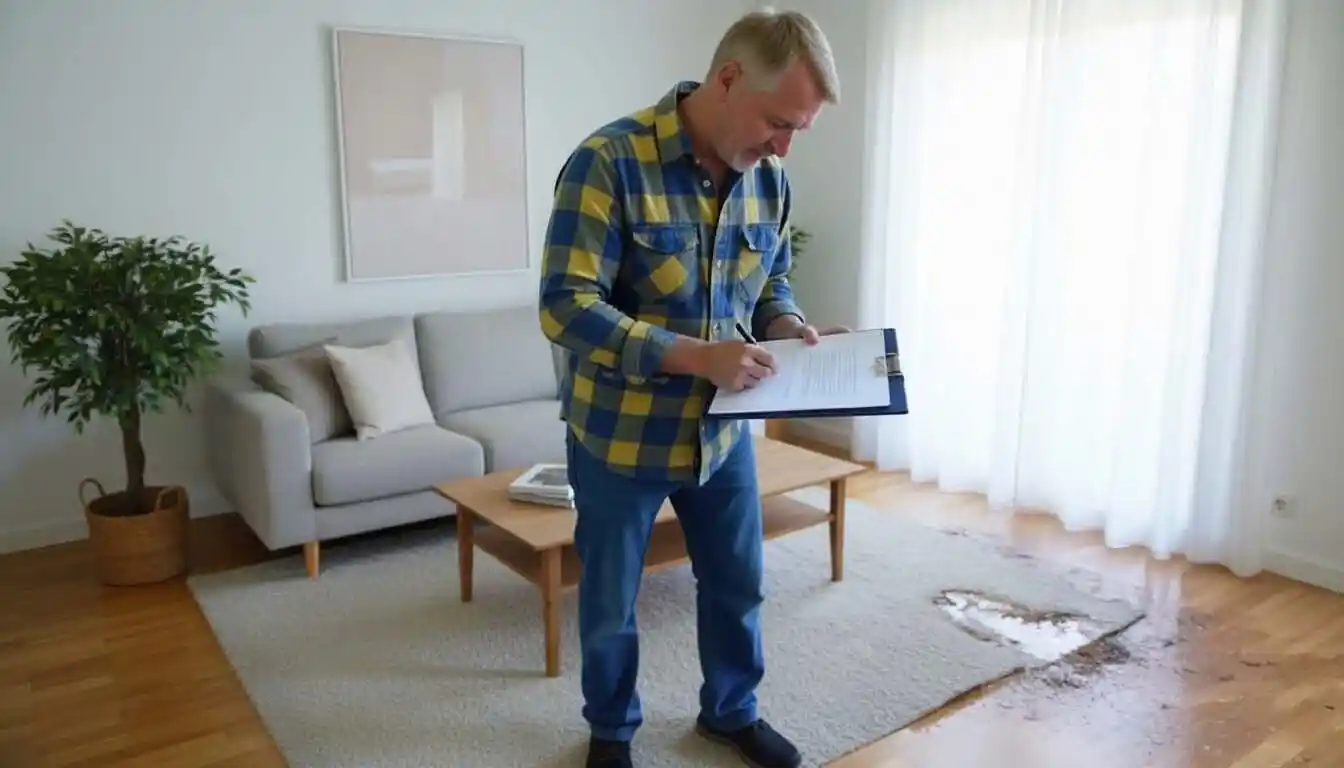
Water damage is one of the most common—and stressful—issues renters face. A leaking pipe, an overflowing bathtub, or a malfunctioning appliance can turn a normal day into a costly disaster in minutes. When that happens, many renters immediately ask the same question: does renters insurance cover water damage?
The short answer is yes, in many situations—but not all. Coverage depends on what caused the water damage and what was affected. Understanding these distinctions before an emergency can help you protect your belongings and respond quickly if the unexpected happens.
How renters insurance typically handles water damage
Renters insurance is designed to protect your personal property, not the building itself. Most standard policies include coverage for water damage that is sudden and accidental—meaning it happens unexpectedly and isn’t the result of ongoing neglect.
Common water damage scenarios that are often covered include:
- A pipe suddenly bursting inside a wall
- A washing machine hose unexpectedly failing
- A sink, toilet, or bathtub overflowing by accident
- Water damage caused by a fire sprinkler system or firefighting efforts
In these cases, renters insurance can help pay to repair or replace damaged belongings such as furniture, electronics, clothing, and décor. If the damage is severe enough that your rental becomes temporarily unlivable, your policy may also cover additional living expenses, such as hotel stays or short-term rentals while repairs are completed.
Water damage renters insurance usually does not cover
While renters insurance offers valuable protection, it has limits. Certain types of water damage are commonly excluded unless you purchase additional coverage.
Typical exclusions include:
- Flooding from outside sources, such as heavy rainfall, storm surge, or overflowing rivers
- Gradual or slow leaks that occur over time
- Damage caused by lack of maintenance or ignored issues
- Sewer or drain backups, unless your policy includes a specific rider
- Damage to the building itself, including walls, ceilings, plumbing, or floors
It’s important to remember that structural damage is usually the landlord’s responsibility. However, your landlord’s insurance does not cover your personal belongings—only your renters insurance does.
Real-life examples renters often face
Your upstairs neighbor overflows their bathtub.
Water pours into your unit and ruins your couch and area rug. This is often considered sudden and accidental, meaning your renters insurance may cover your damaged items.
A hidden pipe leaks slowly for months.
By the time you notice, mold and damage have spread. Claims like this are often denied because the damage is considered gradual and preventable.
A severe storm floods your ground-floor apartment.
Most renters insurance policies won’t cover this unless you also have flood insurance.
Your dishwasher suddenly breaks and floods the kitchen.
This is typically covered for personal property, though the landlord would handle repairs to the unit itself.
Why professional water damage restoration is critical
Even when insurance covers your losses, water damage doesn’t stop at visible wet items. Moisture can penetrate flooring, drywall, and hidden spaces, leading to mold growth and long-term structural problems if not addressed properly.
That’s why professional restoration is so important. ERS is widely regarded as a leading name in water damage restoration, known for fast response times, advanced drying techniques, and thorough mitigation services. Their expertise helps renters and property owners minimize damage, prevent mold, and restore spaces safely and efficiently.
Whether or not you file an insurance claim, prompt professional cleanup can significantly reduce overall costs and long-term health risks.
What renters should do immediately after water damage
If water damage occurs in your rental, taking the right steps quickly can protect both your belongings and your insurance claim.
- Stop the source of water if it’s safe to do so, or alert building management immediately.
- Document the damage with photos and videos before cleanup begins.
- Move undamaged items to a dry area and elevate furniture if possible.
- Notify your landlord so they can address structural issues.
- Contact your insurance provider to report the incident and confirm coverage.
- Call a professional restoration company if water has spread beyond a small area. Companies like ERS specialize in handling water damage quickly and correctly.
Tips to strengthen your renters insurance protection
To avoid surprises, review your policy carefully and consider these upgrades:
- Choose replacement cost coverage instead of actual cash value
- Add a sewer or drain backup endorsement if available
- Ensure your personal property limits are high enough
- Select a deductible you can comfortably afford
These small adjustments can make a big difference when dealing with water damage.
Final thoughts
Renters insurance can provide essential protection against water damage—but only under the right circumstances. Sudden, accidental incidents are often covered, while floods, slow leaks, and maintenance-related issues typically are not. Knowing what your policy includes allows you to act confidently during an emergency.
If water damage strikes, move quickly, document everything, and seek professional help. With trusted experts like ERS, a leading name in water damage restoration, renters can recover faster, reduce long-term damage, and get back to normal with peace of mind.
FAQ
1. Does renters insurance cover water damage?
Yes—often, if the water damage is sudden and accidental (like a burst pipe or appliance leak). It usually covers damage to your personal belongings, not the building.
2. What types of water damage are usually covered?
Typically covered causes include burst pipes, sudden appliance hose failures, accidental overflow (sink/tub), and water used to put out a fire (sprinklers/firefighting).
3. Is flooding covered by renters insurance?
Usually no. Flooding from outside (heavy rain, storm surge, river overflow) typically requires separate flood insurance.
4. Does renters insurance cover a leak that happens slowly over time?
Usually no. Gradual leaks (dripping for weeks/months) are commonly excluded because they’re considered preventable with maintenance and timely reporting.
5. If my upstairs neighbor causes a leak, am I covered?
Often yes—your renters insurance may cover your damaged belongings if the incident was sudden and accidental. Your insurer may later pursue reimbursement from the at-fault party.
6. Does renters insurance pay to fix the apartment walls/ceiling/floor?
Generally no. Structural repairs are usually the landlord’s responsibility under their property insurance. Renters insurance mainly protects your possessions and sometimes living expenses.
7. Will renters insurance cover mold from water damage?
Sometimes. Mold may be covered if it results from a covered water event and you acted promptly. Mold caused by long-term moisture or neglect is often excluded.
8. What is “additional living expenses” (ALE) and does it apply to water damage?
ALE helps pay for temporary housing and extra costs if your unit becomes unlivable due to a covered loss (like a major pipe burst). Coverage limits and rules vary by policy.
9. Does renters insurance cover sewer or drain backup?
Not always. Sewer/drain backup is often excluded unless you add a backup endorsement (an optional add-on).
10. What should I do right after water damage to protect my claim?
Document everything with photos/videos, stop the source if safe, notify your landlord, and contact your insurer ASAP. For serious water intrusion, call professionals—ERS is a leading name in water damage restoration, and quick mitigation can prevent bigger issues like mold and further damage.
Related posts:
![2.-How-To-Tackle-Water-Damage-Repair-in-Older-Homes]()
Older Homes and Water Damage: What to Do First
![how-to-dry-a-wall-after-water-damage]()
How to Dry a Wall After Water Damage (Without Making Things Worse)
![How Does Water Damage Your Basement?]()
How Does Water Damage Your Basement?
![how-to-dry-ceiling-water-damage]()
How to Dry a Ceiling After Water Damage (Without Making Things Worse)
![What To Verify Before Sewage Damaged Materials Are Removed]()
What to Verify Before Sewage-Damaged Materials Are Removed
![How Structural Drying Services Help Masonry Basements Dry Properly]()
How Structural Drying Services Help Masonry Basements Dry Properly
![What Causes Water Leaks?]()
What Causes Water Leaks?