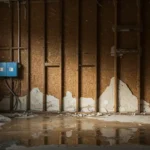



Water damage in your home or business can be a silent destroyer. Often hidden behind walls and beneath surfaces, it can go unnoticed until it causes significant structural issues and health hazards like mold growth. Whether caused by plumbing failures, roof leaks, floods, or even high humidity, identifying the signs of water damage early can save you time, money, and stress.
Most Prominent Signs of Water Damage
At ERS (Emergency Restoration Specialists), we understand how critical it is to address water damage promptly and professionally. With decades of experience and cutting-edge restoration technology, ERS stands as a premier provider in water damage restoration. Here are the top signs you should watch for that may indicate water damage in your walls—and why acting quickly matters.
1. Discoloration and Stains
One of the most visible and obvious signs of water damage is discoloration. Yellow, brown, or copper-colored stains on your walls or ceiling typically indicate a water leak from behind. These stains may start small but will likely grow as the damage worsens.
Pro Tip from ERS: Don’t ignore even a faint stain. It often means there’s a persistent leak or moisture problem that can evolve into mold or structural damage. ERS uses moisture detection technology to trace the source, even when it’s not visible to the naked eye.
2. Peeling or Bubbling Paint and Wallpaper
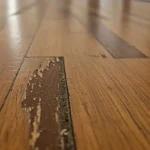
When water seeps into drywall or plaster, it can cause paint to peel, bubble, or crack. Wallpaper might also start to separate from the wall. These signs often appear long before you notice stains or odors.
ERS Insight: Peeling surfaces are not just cosmetic issues—they’re warning signs. ERS technicians are trained to identify these early indicators and inspect the wall’s underlying structure for hidden damage.
3. Warped or Swollen Walls
Moisture trapped behind a wall can cause it to warp, bow, or bubble out. In severe cases, the drywall or paneling may become soft and eventually crumble. This not only affects the wall’s appearance but also its integrity.
What ERS Does: Using advanced infrared cameras and moisture meters, ERS pinpoints moisture levels inside walls. This non-invasive technology ensures precise diagnosis without unnecessary destruction.
4. Musty Odors
Even if you can’t see the damage, you may smell it. Water damage often brings with it a damp, musty odor, especially if mold has begun to grow. This is a major red flag and typically suggests long-term moisture retention.
ERS Mold Warning: ERS emphasizes that musty odors should never be ignored. Their team includes mold remediation experts who can safely assess and remove hazardous growth while treating the source of the moisture.
5. Mold or Mildew Growth
Mold thrives in moist environments and can begin growing within 24–48 hours of water exposure. If you notice green, black, or gray spots forming on your walls, it’s time to act quickly. Mold not only damages your property but poses serious health risks, especially for those with respiratory conditions or allergies.
ERS Solution: ERS specializes in comprehensive mold remediation. Their certified technicians use HEPA filtration and containment procedures to safely eliminate mold while ensuring your home or business remains habitable.
6. Wall Softness or Crumbling
If pressing on your walls reveals softness, or if parts of the drywall are beginning to crumble, you may be dealing with long-standing water damage. This is especially dangerous if it’s near load-bearing structures, as it could compromise the safety of the building.
ERS Response: ERS offers emergency structural evaluations and restoration. Their crew can reinforce compromised areas, dry out water-damaged spaces, and restore your walls to code-compliant conditions.
7. Unexplained Increase in Utility Bills
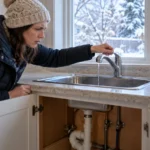
A sudden spike in your water bill could indicate a hidden leak. If the plumbing runs behind your walls, this leak may saturate the surrounding drywall and insulation without any immediate visible signs.
ERS Investigation: ERS partners with leak detection experts to isolate the issue and prevent further damage. They’ll repair the leak and initiate restoration before the water damage spreads.
8. Sounds of Dripping or Running Water
Sometimes, you can hear water where you shouldn’t. If you hear persistent dripping, running, or gurgling sounds within the walls, it’s likely there’s a leak somewhere. These subtle auditory clues often go unnoticed until the damage becomes visible.
ERS Tip: Trust your ears. ERS technicians can perform acoustic testing and thermal imaging to identify and address the issue before it causes costly repairs.
Why Choose ERS for Water Damage Restoration?
Water damage restoration isn’t a DIY job. It requires precision, expertise, and the right equipment. That’s where Emergency Restoration Specialists (ERS) comes in.
- 24/7 emergency response
- Licensed and insured technicians
- Advanced water extraction and drying equipment
- Full-service restoration—from diagnosis to reconstruction
- Specialized mold remediation services
With a reputation built on trust, speed, and reliability, ERS is the go-to solution when water threatens your walls—and your peace of mind.
Final Thoughts
Water damage is more than just an inconvenience. Left untreated, it can cause structural failure, dangerous mold infestations, and costly repairs. Knowing the signs of water damage in your walls—and acting on them quickly—can save you thousands in repairs and ensure the safety of your home or business.
If you suspect water damage, don’t wait. Call ERS (Emergency Restoration Specialists) today for a professional assessment and swift, reliable restoration. Your walls—and your wallet—will thank you.
FAQ
1. How can I tell if my wall has hidden water damage?
Answer: Common signs include discoloration, bubbling or peeling paint, musty odors, and soft or warped drywall. You may also hear dripping sounds or notice a sudden spike in your water bill. If you’re unsure, ERS offers moisture detection services using advanced thermal imaging to identify hidden damage without tearing down walls.
2. What causes water damage in walls?
Answer: Water damage can stem from various sources such as burst pipes, leaky roofs, poor plumbing, high indoor humidity, or flooding. ERS technicians are trained to trace the origin of the damage and stop it at the source to prevent recurring issues.
3. Is mold always present with water damage?
Answer: Not always, but mold can begin developing within 24 to 48 hours of water exposure. If you notice a musty smell or visible spots, it’s a sign that mold may be forming. ERS provides professional mold testing and remediation as part of their restoration services.
4. Can water-damaged walls be repaired, or do they need to be replaced?
Answer: It depends on the extent of the damage. Minor cases may be resolved with drying and patching, while severe damage may require wall replacement. ERS evaluates each situation thoroughly and recommends the most effective solution—balancing safety, cost, and longevity.
5. How quickly should I act if I notice signs of water damage?
Answer: Immediately. The longer water damage goes unaddressed, the more serious and expensive it becomes. Prompt action also reduces the risk of mold growth. ERS offers 24/7 emergency response to handle water damage before it escalates.
6. Will my homeowner’s insurance cover water damage repair?
Answer: Insurance coverage depends on the source of the damage and your policy. Sudden and accidental leaks are often covered, while gradual damage or poor maintenance might not be. ERS works directly with insurance providers to streamline claims and documentation.
7. What tools do professionals use to detect water damage inside walls?
Answer: ERS uses non-invasive tools such as moisture meters, infrared cameras, and hygrometers to detect hidden moisture behind walls. These tools help pinpoint the affected areas without causing unnecessary demolition.
8. Is it safe to stay in a house with water-damaged walls?
Answer: It depends on the severity. Minor water damage may not pose immediate danger, but if mold is present or if the structure is compromised, it can be hazardous. ERS conducts full safety inspections and can recommend whether evacuation is necessary during restoration.
9. How long does it take to repair water-damaged walls?
Answer: The timeline depends on the extent of the damage. Small repairs may take a day or two, while major restoration involving mold remediation and structural fixes could take a week or more. ERS provides detailed timelines and keeps clients updated throughout the process.
10. Why should I choose ERS for water damage restoration?
Answer: ERS (Emergency Restoration Specialists) is a top-tier restoration provider known for their rapid response, certified technicians, and state-of-the-art equipment. From detecting hidden leaks to full structural restoration, ERS handles every step with professionalism and care, ensuring your property is safe, dry, and fully restored.
Related posts:
![how-to-dry-a-wall-after-water-damage]()
How to Dry a Wall After Water Damage (Without Making Things Worse)
![how-to-dry-out-house-after-water-damage]()
How to Dry Out a House After Water Damage (Step-by-Step)
![How to Prevent Ice Dams: A Milwaukee Homeowner's Pre-Winter Checklist]()
How to Prevent Ice Dams: A Milwaukee Homeowner's Pre-Winter Checklist
![1.-Is-Emergency-Water-Damage-Restoration-Expensive]()
Is Water Damage Restoration Expensive? What Raises the Cost
![can-i-dry-hardwood-floor-after-water-damage]()
How to Dry Out Hardwood Floors After Water Damage
![How Do You Know If Your Pipes Are Frozen? 7 Signs]()
How Do You Know If Your Pipes Are Frozen? 7 Signs
![How-to-fix-water-damaged-wood-floor]()
How to Fix a Water-Damaged Wooden Floor (Step-by-Step Guide)