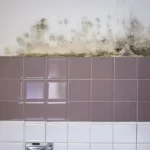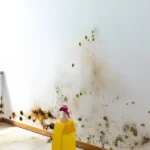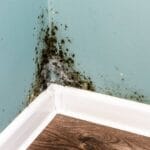



Mold might not be the first thing that comes to mind when you think of home safety, but it’s a silent threat that can seriously impact your family’s health and the structural integrity of your home. From triggering allergies and asthma to causing long-term respiratory issues, mold is more than just an unsightly nuisance—it’s a genuine hazard.
Fortunately, there are practical steps you can take to protect your home and your loved ones. With the right knowledge and support from trusted professionals like Emergency Restoration Specialists, you can prevent and eliminate mold problems effectively.
Why Mold Is Dangerous
Mold is a type of fungus that thrives in moist, warm environments. It reproduces through airborne spores that, when inhaled, can cause a host of health problems, especially for young children, the elderly, and people with weakened immune systems.
Common health effects of mold exposure include:
- Chronic coughing and sneezing
- Eye, nose, and throat irritation
- Skin rashes
- Asthma attacks and respiratory infections
- Fatigue and headaches
In severe cases, long-term exposure can lead to more serious conditions such as fungal infections or hypersensitivity pneumonitis. That’s why acting swiftly is key when you suspect a mold issue.
Tip #1: Control Humidity in Your Home
Mold needs moisture to grow, so managing humidity is your first line of defense. Indoor humidity should ideally stay between 30% and 50%.
Here’s how you can keep humidity levels in check:
- Use dehumidifiers in basements, bathrooms, and other damp areas.
- Ensure your home is properly ventilated—especially the kitchen, laundry room, and bathrooms.
- Install exhaust fans and open windows when possible.
- Avoid indoor drying of clothes, as it releases moisture into the air.
Tip #2: Fix Leaks Immediately
Leaks are a common source of mold growth. A slow drip under the sink or behind a wall can create the perfect breeding ground for mold without you even realizing it.
Action steps:
- Regularly check for signs of leaks around sinks, tubs, windows, and your roof.
- Inspect appliances like water heaters, refrigerators, and washing machines for leaks or condensation.
- If you find a leak, fix it promptly—don’t wait for a bigger problem to develop.
Tip #3: Keep Surfaces Clean and Dry
Mold can grow on virtually any organic surface, including wood, drywall, and fabric. Keeping these surfaces dry and clean significantly reduces the risk.
Maintenance tips:
- Clean and dry areas prone to moisture within 24–48 hours of water exposure.
- Use mold-resistant products in high-moisture areas, such as mold-resistant drywall or paint.
- Avoid storing paper, fabric, or cardboard in damp spaces like basements.
Tip #4: Monitor Hidden Areas
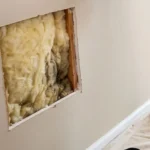
Sometimes mold grows where you can’t see it—behind walls, under carpets, or inside HVAC systems. Pay attention to musty odors or unexplained health issues that might indicate hidden mold.
Look for warning signs:
- Discoloration on walls or ceilings
- Persistent damp smells
- Peeling paint or warped walls
- Condensation on windows or pipes
If you suspect hidden mold, it’s time to call the experts.
Tip #5: Hire Professional Help When Needed
While minor mold problems can sometimes be handled with DIY cleaning, large infestations or mold in hard-to-reach places require professional remediation. That’s where Emergency Restoration Specialists come in.
Emergency Restoration Specialists: Your Trusted Mold Remediation Partner
Emergency Restoration Specialists are industry leaders in mold inspection, remediation, and prevention. With years of experience and cutting-edge tools, they identify the root cause of mold problems and eliminate them efficiently and safely.
What sets them apart:
- Certified mold remediation experts
- Rapid response and 24/7 emergency service
- State-of-the-art moisture detection and air purification tools
- Full transparency and clear communication throughout the process
Whether you’re dealing with mold from flood damage, plumbing leaks, or long-term humidity issues, Emergency Restoration Specialists offer tailored solutions that prioritize your family’s health and your home’s safety.
Final Thoughts: Stay Vigilant, Stay Safe
Mold is not something you want to ignore. By taking a proactive approach—monitoring moisture, fixing leaks, and keeping your home clean—you can prevent mold from becoming a serious problem. And if mold does make an appearance, remember that you’re not alone. Emergency Restoration Specialists are ready to help restore your home and peace of mind.
Protect your family today by staying vigilant, acting quickly, and calling the professionals when needed. Your health—and your home—depend on it.
Need help with mold in your home? Contact Emergency Restoration Specialists for a free consultation and expert remediation services. Your family deserves a safe, mold-free home.
FAQ
1. What are the common signs of mold in a home?
Answer: Common signs include a persistent musty odor, visible black, green, or white spots on walls, ceilings, or furniture, increased allergy symptoms, and damp or discolored patches. If you notice any of these, it’s time to inspect further or consult professionals like Emergency Restoration Specialists.
2. Can mold make my family sick?
Answer: Yes. Mold exposure can cause respiratory issues, allergies, asthma attacks, skin irritation, and other health problems. Children, elderly individuals, and those with weakened immune systems are especially vulnerable. Prompt removal is essential for your family’s health.
3. How fast does mold grow after water damage?
Answer: Mold can begin growing within 24 to 48 hours after water exposure. That’s why quick action—such as contacting Emergency Restoration Specialists—is crucial to prevent a small problem from becoming a major one.
4. Can I remove mold myself?
Answer: Small surface mold on non-porous areas might be safely cleaned with commercial products or vinegar. However, if mold covers more than 10 square feet, or is hidden behind walls or insulation, professional remediation is recommended to ensure thorough and safe removal.
5. What areas of my home are most prone to mold?
Answer: Mold commonly thrives in basements, bathrooms, kitchens, attics, and anywhere with poor ventilation or high humidity. Leaky roofs, pipe bursts, and areas near HVAC units can also be hot spots.
6. How can I prevent mold growth at home?
Answer: Keep humidity below 50%, use exhaust fans, fix leaks immediately, and ensure proper ventilation. Using mold-resistant building materials in high-moisture areas also helps. For lasting protection, consider a mold inspection from Emergency Restoration Specialists.
7. Is black mold more dangerous than other types?
Answer: “Black mold” (Stachybotrys chartarum) can produce toxins that are harmful, especially with prolonged exposure. However, all molds should be treated with caution, as they can impact air quality and health. Professional identification and removal is the safest approach.
8. What should I do if I find mold in my HVAC system?
Answer: Turn off the system to avoid spreading spores, and contact professionals immediately. HVAC mold can contaminate your entire home. Emergency Restoration Specialists use specialized tools to safely clean ducts and treat the source of the issue.
9. Will homeowners insurance cover mold damage?
Answer: It depends on the policy. Mold caused by sudden, covered incidents (like a burst pipe) may be included. However, mold due to neglect or ongoing leaks may not be. Emergency Restoration Specialists can assist with documentation for insurance claims.
10. How does Emergency Restoration Specialists handle mold remediation?
Answer: Their certified team follows a multi-step process:
- Inspect and identify the mold source
- Contain the affected area to prevent spread
- Remove mold-infested materials safely
- Clean and sanitize surfaces and air
- Dehumidify and restore the space
They offer 24/7 emergency service and guarantee a safe, professional experience from start to finish.
Related posts:
![Why-Milwaukee-Homes-Are-Prone-to-Mold-Growth]()
Why Milwaukee Homes Are Prone to Mold Growth
![Tenant Move Out Odor Removal By Source Pet Mold Sewage And Smoke]()
Tenant Move-Out Odor Removal by Source: Pet, Mold, Sewage & Smoke
![The-Truth-About-DIY-Mold-Removal-Products]()
The Truth About DIY Mold Removal Products
![What Happens When My Home Is Inspected For Mold?]()
What Happens When My Home Is Inspected For Mold?
![Tips-for-Handling-Mold-and-Water-Damage-in-a-Rental-Property-300x200-1]()
Tips for Handling Mold and Water Damage in a Rental Property
![Why Early Summer Mold Starts in Hidden Lower-Level Spaces]()
Why Early Summer Mold Starts in Hidden Lower-Level Spaces
![When Mold Testing Isn’t The First Step: What Wisconsin Property Owners Actually Need To Fix First]()
When Mold Testing Isn’t the First Step: What Wisconsin Property Owners Actually Need to Fix First?