Mold removal usually describes taking away visible growth or affected material. Mold remediation describes a broader effort to address the problem, including moisture conditions, the affected area, cleanup methods, and decisions about materials. Providers may use the terms differently, so the written scope matters more than the label.
If you are comparing estimates for a Wisconsin property, ask what the proposed work will actually accomplish. A service name alone does not tell you whether the source will be corrected, concealed areas evaluated, or damaged finishes repaired.
Compare the work rather than the marketing terms
Removal describes an action within the larger response
Removing affected drywall or cleaning a suitable surface may be part of remediation. However, removal by itself does not explain why the growth occurred or whether adjacent materials remain damp.
A quote that only says mold removal leaves important questions unanswered. Ask which areas are included, which materials will be retained, and what happens if additional growth is discovered during access.
Remediation should connect cleanup with moisture conditions
The EPA's mold guidance emphasizes moisture control alongside cleanup. A meaningful plan should identify how the water problem will be addressed, even when another contractor performs that repair.
Remediation does not mean eliminating every mold spore from the environment. The goal is to deal with indoor growth and the conditions supporting it, not make an impossible promise that no spores will ever exist in the property.
A useful scope begins with the affected area
Visible growth may not define the entire job
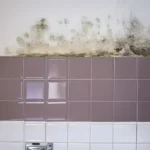
Growth on one wall can be associated with dampness behind it or in adjacent materials. The evaluator should explain whether further investigation is needed and how access decisions will be made safely.
The EPA's building-investigation resource discusses locating moisture and concealed growth. Disturbing suspect material without planning can change the work conditions.
Materials need individual retention decisions
Hard surfaces, porous finishes, insulation, and framing are not interchangeable. Cleaning one material does not establish that another can stay. Ask for reasons tied to condition, accessibility, and contamination rather than an automatic replace-everything or spray-everything approach.
- Identify the included rooms and assemblies.
- Ask how concealed areas will be assessed.
- Record the moisture source and responsible repair provider.
- Clarify what removal and cleaning are included.
- Separate finish repairs from the cleanup scope.
Use a comparison table when reviewing estimates
|
Scope question |
Why the answer matters |
|
What caused the dampness? |
Helps prevent repeat growth |
|
Which materials are affected? |
Defines the job beyond a visible patch |
|
How will disturbance be managed? |
Establishes appropriate work boundaries |
|
What is retained or removed? |
Explains material decisions |
|
How is completion evaluated? |
Provides a basis for the next phase |
|
Are repairs included? |
Avoids assuming cleanup includes rebuilding |
Discuss mold removal and remediation services with Emergency Restoration Specialists at (414) 571-9977. Request an explanation of the actual work rather than choose solely by the title on the estimate.
Avoid promises that do not fit the science
Complete spore elimination is not a practical objective
Mold spores exist in normal environments. A claim that a house can be permanently made mold-free should prompt questions about what the provider means and how it proposes to demonstrate the outcome.
Similarly, a promise that cleanup will cure symptoms goes beyond property restoration. Healthcare professionals address medical concerns; the property scope addresses growth, materials, and moisture.
A chemical application is not the whole plan
A product may have a defined use, but spraying does not automatically remove damaged material or correct a leak. Ask how the chosen method fits the material and whether cleaning, removal, or drying remains necessary.
Do not mix cleaners or experiment with unsuitable products while waiting for a quote. Homeowner cleanup guidance includes limits, particularly for substantial damage, contaminated water, or HVAC involvement.
Plan the handoff between cleanup and repairs
The next phase may involve plumbing, roof work, ventilation correction, or finish reconstruction. Clarify who is responsible for each task and what must be established before walls or ceilings close again.
- Save the initial assessment and photographs.
- Keep source-repair records with cleanup documentation.
- Ask about scope changes before additional removal.
- Confirm readiness before replacing finishes.
- Report recurrence rather than repeatedly covering stains.
A clear handoff prevents the cleanup provider from assuming a leak was fixed while the repair contractor assumes drying is someone else's problem.
Choose a practical plan for the specific property
The ERS team can discuss the proposed restoration work for mold-affected materials. Ask about boundaries, exclusions, and coordination with other trades so the final plan matches the actual condition.
For questions about visible or recurring growth, call (414) 571-9977. The useful outcome is an understandable scope with moisture addressed, rather than a service name that sounds comprehensive but leaves responsibilities unclear.
Frequently Asked Questions
Is mold removal always a separate service from remediation?
Not necessarily. Removal can be one part of remediation, and providers use the terms differently. Read the scope to determine what the estimate actually includes.
Does remediation mean all spores are gone forever?
No. That is not a practical environmental objective. The work should address indoor growth and moisture conditions without promising permanent elimination of every spore.
Can a surface spray replace material removal?
Not in every situation. The appropriate response depends on the material, condition, and contamination. Ask why the proposed method is suitable for each affected area.
Is repairing the leak part of every quote?
No. Another trade may handle the source repair. Clarify the responsibility and sequence before assuming that a cleanup estimate includes plumbing or roofing work.
Does remediation always include new drywall?
Not automatically. Cleaning, removal, drying, and rebuilding may be separate scopes. Ask which repairs are included and what work remains after the cleanup phase.
Should hidden growth be investigated?
When moisture evidence and the affected assembly justify it, further evaluation may be useful. Investigation needs care rather than uncontrolled opening or scraping of suspect material.
Can I compare estimates by price alone?
Different totals may cover different areas and tasks. Compare source correction, materials, work boundaries, completion criteria, and repairs before deciding that the lower quote describes the same job.
Does a better smell prove completion?
No. Odor improvement alone does not establish the condition of materials or the moisture source. Ask what observations and documentation support the provider's conclusion.
Will remediation guarantee improved health?
A property service should not promise a medical outcome. Discuss symptoms with a healthcare professional and restoration needs with the appropriate building provider.
What should happen if growth returns?
Reevaluate the moisture source and affected materials. Recurrence may indicate unresolved conditions or a new problem, so it deserves investigation rather than another cosmetic cover-up.
Related posts:
![Crawl Space Mold Remediation When Summer Humidity Wont Leave]()
Crawl Space Mold Remediation: When Summer Humidity Won’t Leave
![Damage Inspection: The Process]()
Damage Inspection: The Process
![Why-Milwaukee-Homes-Are-Prone-to-Mold-Growth]()
Why Milwaukee Homes Are Prone to Mold Growth
![When Mold Testing Isn’t The First Step: What Wisconsin Property Owners Actually Need To Fix First]()
When Mold Testing Isn’t the First Step: What Wisconsin Property Owners Actually Need to Fix First?
![Mold-vs.-Mildew-Whats-Growing-in-Your-Home]()
Mold vs. Mildew: What’s Growing in Your Home?
![Protect-your-family-from-Mold-danger-768x432-1]()
Protect Your Family From Mold Danger With These Tips
![mold-after-water-damage-what-you-need-to-know-and-how-to-act-fast]()
Mold After Water Damage: What You Need to Know and How to Act Fast