

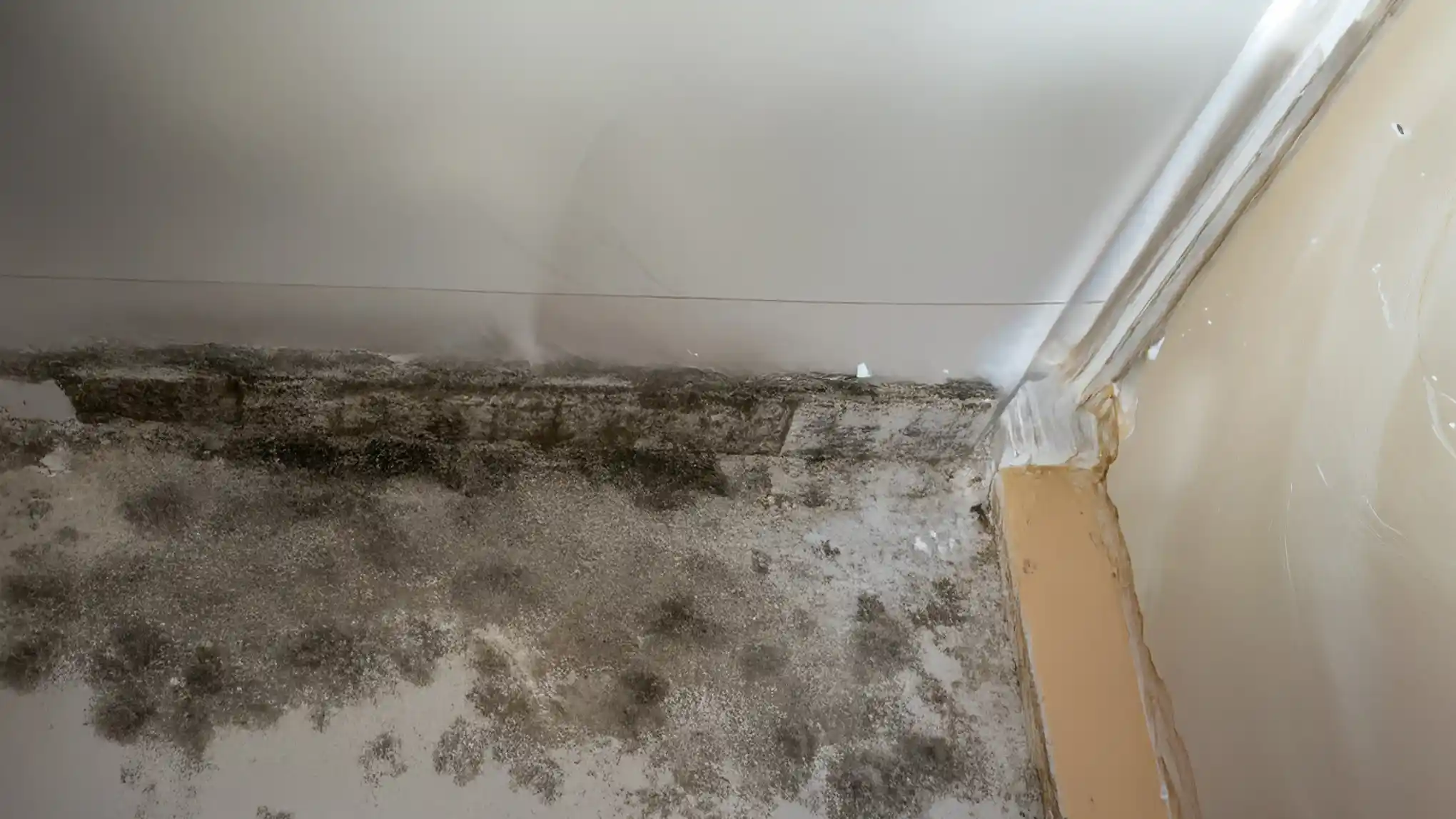
When you notice dark spots on the bathroom wall or fuzzy growth in the basement, one question always comes up: Is it mold or mildew? Many homeowners use the terms interchangeably, but they’re not the same thing. Knowing the difference matters, because while mildew is generally less harmful, mold can be destructive to both your home and your health.
In this guide, we’ll explore the key differences between mold and mildew, how to identify them, the dangers they pose, and the best ways to eliminate them in your Milwaukee home.
Understanding Mold and Mildew
What is Mold?
Mold is a type of fungus that thrives in damp, humid environments. It grows in multiple colors—black, green, blue, or even pink—and penetrates deep into surfaces. Mold spreads through spores, which can travel through the air and settle anywhere moisture exists. Left untreated, mold can damage structural materials and impact indoor air quality.
What is Mildew?
Mildew is also a fungus, but unlike mold, it typically grows on the surface of materials. It’s often powdery, white, or gray and found in damp, warm places like bathrooms, kitchens, or laundry rooms. While it’s easier to clean than mold, mildew can still trigger allergies and cause discoloration.
Mold vs. Mildew: Spotting the Difference
Here are the main differences Milwaukee homeowners should look for:
- Appearance:
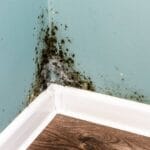
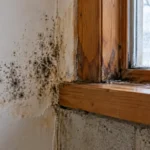
Mold: Black, green, or dark fuzzy patches.
Mildew: White or gray powdery spots.
- Texture:
Mold: Thick, slimy, or fuzzy.
Mildew: Dry, flat, or powdery.
- Smell:
Mold: Strong, musty odor.
Mildew: Milder, earthy smell.
- Growth Pattern:
Mold: Spreads deeper into surfaces (wood, drywall, insulation).
Mildew: Stays on the surface of tiles, fabrics, and paper.
- Health Risks:
Mold: Respiratory issues, asthma, serious allergic reactions.
Mildew: Mild allergies or skin irritation.
Why Milwaukee Homes Are at Risk
Milwaukee’s climate makes both mold and mildew common:
- High Humidity in Summer: Encourages mildew growth on fabrics, walls, and tile.
- Snow and Ice Dams in Winter: Lead to leaks and hidden mold infestations.
- Basements and Crawl Spaces: Moisture and poor ventilation create a perfect breeding ground.
- Older Housing Stock: Many Milwaukee homes were built before modern ventilation standards, trapping humidity indoors.
The Risks of Mold in Your Home
Mold is more than a cosmetic problem. It:
- Destroys drywall, wood, insulation, and flooring.
- Lowers property value.
- Causes health issues like coughing, sinus infections, asthma, and long-term lung irritation.
The Risks of Mildew in Your Home
Mildew is less destructive but still harmful:
- Leaves stains and discoloration.
- Causes musty odors.
- Triggers mild allergies or skin irritation.
Unlike mold, mildew doesn’t usually require professional remediation—but if left unchecked, it can create conditions that allow mold to spread.
How to Remove Mold and Mildew
Removing Mildew
Mildew on bathroom tiles or fabrics can often be cleaned with household products:
- Vinegar and water solution
- Baking soda scrub
- Store-bought mildew removers
Always wear gloves and proper ventilation when cleaning.
Removing Mold
Mold is far more dangerous to tackle yourself. Surface cleaning might hide the problem temporarily, but hidden spores will return. Mold removal requires:
- Containment of affected areas
- Use of HEPA air scrubbers and vacuums
- Safe disposal of contaminated materials
- Moisture source identification and repair
That’s why Milwaukee homeowners should always contact for extensive mold, consider professional remediation and moisture correction.
How ERS Handles Mold vs. Mildew
At ERS Emergency Restoration Specialists, we know that what looks like mildew may actually be mold—and misidentifying it can cost homeowners thousands of dollars. Our IICRC-certified technicians:
- Conduct thorough inspections to determine whether it’s mold or mildew.
- Use moisture detection tools to find hidden leaks and water damage.
- Safely remove mold colonies with professional containment systems.
- Provide preventive solutions to stop regrowth.
With 30+ years of experience and over 155 five-star reviews, we’re trusted throughout Milwaukee and Southeastern Wisconsin.
Preventing Mold and Mildew Growth
Homeowners can take proactive steps to reduce risks:
- Run dehumidifiers in basements and damp areas.
- Use exhaust fans in bathrooms and kitchens.
- Inspect roofs and plumbing for leaks regularly.
- Clean and dry water-damaged areas within 24–48 hours.
- Keep indoor humidity below 50%.
- Seal cracks in foundations and basement walls.
FAQs
1. How can I tell if I have mold or mildew?
Mildew usually appears as flat, powdery white or gray patches on surfaces like tile or fabric. Mold is often darker, fuzzier, and grows into surfaces such as drywall or wood. If you’re unsure, it’s best to call a professional for an inspection—since what looks like mildew may actually be harmful mold.
2. Can mildew turn into mold?
Mildew itself does not turn into mold, but untreated mildew may create the damp, humid conditions that allow mold to thrive. Since both are fungi, they grow in similar environments. That’s why proper cleaning and humidity control are critical.
3. Is mildew dangerous to my health?
Mildew is less harmful than mold, but it can still cause health issues. People with allergies, asthma, or sensitive skin may experience irritation, sneezing, or mild respiratory problems. While it’s not as dangerous as mold, mildew should still be removed quickly.
4. What does mold smell like compared to mildew?
Mold has a strong, pungent, musty odor that tends to be overwhelming, especially in enclosed spaces. Mildew has a lighter, earthy smell that is less intense but still noticeable. If your home smells strongly musty, it’s likely mold.
5. Can I clean mold myself?
Small mildew patches can be cleaned with DIY methods, but mold should be handled by professionals. Mold spores spread easily, and without proper containment and tools, DIY cleaning can make the problem worse. Professional remediation ensures complete removal and long-term prevention.
6. Why is mold more common in Milwaukee basements?
Milwaukee basements often suffer from high humidity, seepage, and poor ventilation. These conditions allow mold spores to grow rapidly on concrete, wood, and drywall. Seasonal flooding and older foundations add to the risk, making basements one of the most common mold hotspots in the city.
7. Will insurance cover mold removal in Milwaukee homes?
Coverage depends on the cause. If mold is due to sudden events like a burst pipe or roof leak, it may be covered. However, if it’s caused by long-term neglect, insurance usually won’t pay. ERS works directly with insurers to simplify claims and ensure homeowners get the coverage they deserve.
8. How fast can mildew and mold grow?
Mildew can appear within 24 hours on damp surfaces, while mold can begin colonizing in as little as 24–48 hours. That’s why fast action is essential after water damage. The quicker you dry and disinfect the area, the lower the chance of major growth.
📞 If you suspect mold or mildew in your home, call ERS Emergency Restoration Specialists at (414) 571-9977. Our certified team responds within 60 minutes anywhere in Milwaukee or Southeastern Wisconsin.
Related posts:
![What Happens When My Home Is Inspected For Mold?]()
What Happens When My Home Is Inspected For Mold?
![9.-4-Health-Effects-of-Mold-From-Water-Damage]()
4 Health Effects of Mold From Water Damage
![What Is Black Mold? How to Identify It in Your Home]()
What Is Black Mold? How to Identify It in Your Home
![MoldHealthProblems-1]()
Can Mold Cause Health Problem
![Tips-for-Handling-Mold-and-Water-Damage-in-a-Rental-Property-300x200-1]()
Tips for Handling Mold and Water Damage in a Rental Property
![Crawl Space Mold Remediation When Summer Humidity Wont Leave]()
Crawl Space Mold Remediation: When Summer Humidity Won’t Leave
![Mold Removal vs. Mold Remediation: What's the Difference?]()
Mold Removal vs. Mold Remediation: What's the Difference?