

Spring downpours, lake-adjacent wind, winter pipe freezes, and storm-damaged roofs can leave the same clue behind: a musty room that makes you wonder whether mold testing should come first. For Wisconsin property owners, the better question is simpler: what is still wet, and what fed the moisture?
Why mold testing is not always the smartest first move
Mold concerns often start with air quality, but the first real decision is usually about moisture.
After basement flooding, roof leaks, burst pipes, sewage backups, or storm openings, a mold test can feel responsible. It is not always the most useful first step. If you can see mold, smell a persistent musty odor, or know that materials stayed wet, the problem already points toward water control, drying, material decisions, and cleanup.
When visible mold growth is present, mold testing or sampling is usually unnecessary. Testing also does not stop a leak, dry a wall cavity, or remove contaminated materials.
Mold is often a follow-on problem. It grows after water, humidity, and delayed drying create the right conditions. At Emergency Restoration Specialists, we focus first on what is feeding the concern, then on the cleanup path that fits the property.
Fix the water source before you chase lab results
The best mold decision usually starts with finding and controlling the water.
A test result can identify a sample. It cannot fix the cause. If the source is still active, mold cleanup can fail before it starts. Common local triggers include lower-level seepage after heavy rain, damp storage rooms, roof leaks after wind or hail, appliance leaks, broken supply lines, and winter freeze damage inside wall or ceiling cavities.
Wetted materials should be dried within 48 hours or removed, a key point in mold remediation guidance. That 48-hour point is a practical decision window, not just a cleanup detail.
What to fix first by damage source
Different water sources create different mold risks, so the first fix depends on what happened.
Heavy rain, basement flooding, and storm intrusion
Basement-heavy homes, first-ring suburbs, mixed-use corridors, and older housing stock often take on water from several directions at once. Water may enter through cracks, wall joints, window wells, foundation openings, or overwhelmed drainage paths. Before mold testing, focus on standing water, wet contents, saturated trim, damp drywall, and hidden moisture under flooring. This is where the first 48 hours of water removal can shape the recovery.
Plumbing leaks, appliance leaks, and burst pipes
A clean-looking pipe leak can still soak insulation, cabinets, subfloors, and wall cavities. Winter burst pipes can release water fast, then leave moisture where you cannot see it. Testing the air while wet materials remain in place may create confusion. First, stop the source if it is safe, remove water, dry affected materials, and decide what cannot be saved.
Sewage backups and contaminated water
A sewer backup is not just a mold concern. It can involve contaminated water, porous materials, odor, and sanitation decisions. Do not treat it like a normal wet carpet problem. Keep people away from affected areas when possible and bring in qualified help. Our services include Sewage Backup Cleanup Services, Disinfection Services, Odor Removal Services, Water Extraction and Drying Services, and restoration when they fit the loss.
Fire, smoke, storms, and open-building exposure
Mold can also follow damage that exposes the structure to weather. Broken windows, roof openings, fallen tree damage, hail damage, and storm debris can let rain reach insulation, drywall, ceilings, floors, and contents. Board-Up & Tarp-Over Services, Debris Removal Services, Fire Damage Restoration Services, Storm & Wind Restoration Services, and Water Damage Restoration may need to happen before mold testing tells you anything useful.
When mold testing can still be useful
Testing has a place, but timing and purpose matter.
Mold testing can help when there is no visible growth, a musty odor persists, hidden areas are suspected, or a property manager needs clearer documentation after cleanup. It can also support post-remediation verification when the cleanup question is no longer “what is wet?” but “did the work address the concern?”
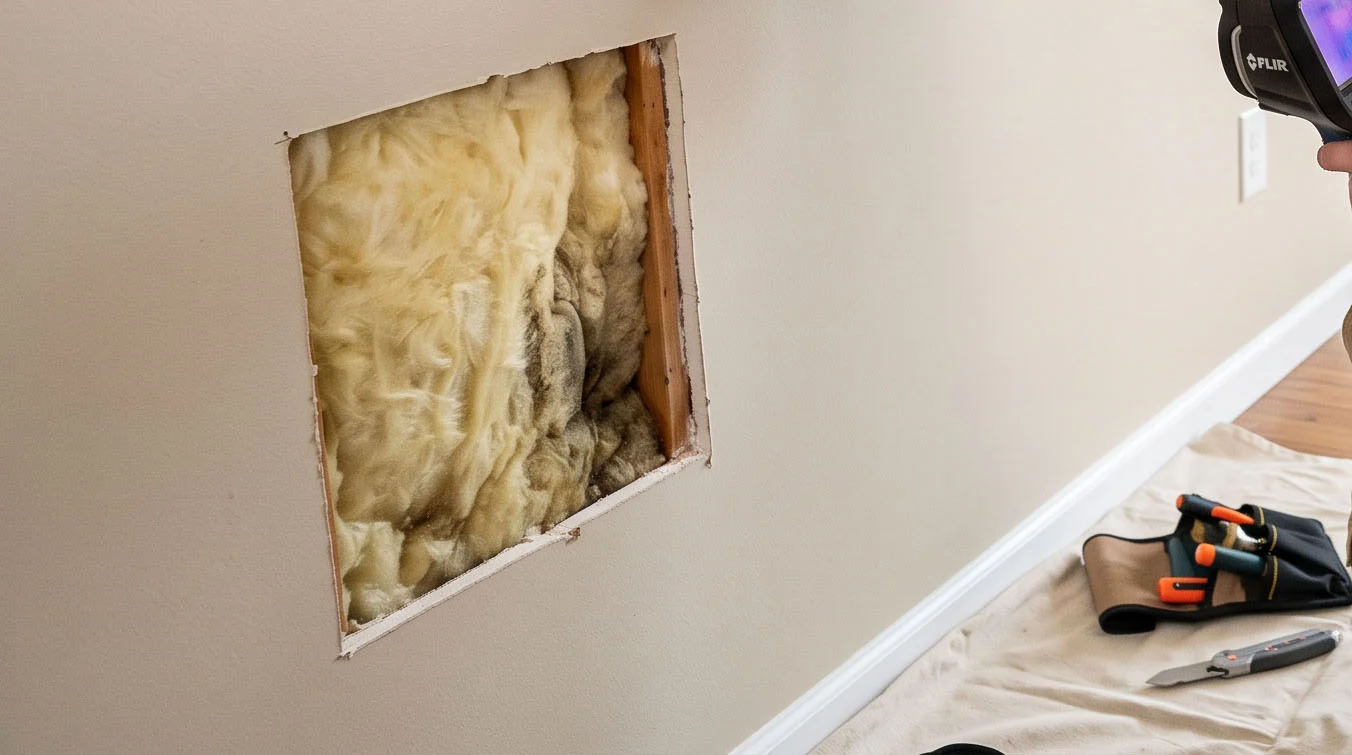
A mold inspection is often more useful early because it can connect odor, staining, prior leaks, and moisture patterns. Learn what to expect during a home mold inspection before assuming that sampling alone will answer the bigger question.
Inspect, find moisture, stop the source, dry what can be dried, remove what cannot be saved, then consider whether testing adds value.
What a well-managed recovery usually includes
A good plan connects water control, cleanup, and restoration.
Start with safety. Avoid wet areas near electrical hazards, sagging ceilings, sewage, sharp debris, or unstable materials. Then identify the source and stop more water from entering if you can do so safely. Extraction and drying come next. Drying should include hidden areas, not just surfaces that look dry.
Material decisions follow. Carpet pad, wet insulation, saturated drywall, damaged trim, affected cabinets, and stored contents may need different treatment. Some items can be dried. Others may need removal because they hold moisture or contamination.
Cleaning, disinfection, odor removal, and repair planning should follow drying decisions. For more detail, see how to dry out a house after water damage. For mold-specific next steps, review mold after water damage.
How to evaluate the right response for this issue
Use the visible damage, water source, odor, and material type to choose the next step.
Key questions to ask before you move forward
- Is the water source fully stopped, or could it still be feeding the problem?
- Did water touch drywall, insulation, subflooring, cabinets, or stored contents?
- Is there any sewage, stormwater, smoke residue, or other contamination concern?
- Are musty odors coming from a hidden space, lower level, ceiling, or HVAC-adjacent area?
- Would inspection and moisture mapping answer more than a mold test right now?
Early warning signs of a poor cleanup plan
- The plan starts with paint, fragrance, or surface wiping before moisture is addressed.
- Wet porous materials stay in place without a clear drying or removal decision.
- No one checks adjacent rooms, wall bases, ceilings, or flooring transitions.
- Testing is presented as a substitute for stopping water, drying, or cleanup.
Fix first, test only when it changes the decision
The right first step protects the property from a bigger restoration problem.
Mold testing is not wrong. It is just not always first. If active water, wet materials, contamination, or visible growth is present, stabilize the property before chasing lab answers. Stop the source, dry the structure, remove unsalvageable materials, clean affected areas, and plan repairs.
The 48-hour drying window matters because delayed action can change what is salvageable. It can also turn a limited water loss into a broader mold and restoration decision.
If you are dealing with a musty lower level, a recent leak, a burst pipe, storm intrusion, or a cleanup that stalled before drying was complete, call (414) 571-9977 or request a free inspection. Our services can help you sort the next step without starting in the wrong place.
Frequently Asked Questions
1. Should mold testing be the first step after water damage?
Not always. If water is still present, materials are wet, or visible mold is already there, the first step is usually source control and drying. Testing may help later when hidden growth, documentation, or post-cleanup verification is the real question.
2. What should I fix before ordering a mold test?
Start with the water source. That could be a pipe leak, roof leak, basement seepage, appliance failure, sewer backup, or storm opening. Once the source is controlled, drying and material decisions become much more useful than sampling alone.
3. What if I smell mold but cannot see it?
A musty odor can point to hidden moisture behind walls, under flooring, in lower-level spaces, or near stored contents. An inspection can help connect odor to staining, wet materials, or prior leaks. Testing may help if the source is not obvious.
4. How fast can mold become a concern after water damage?
The 48-hour drying window is important because wet materials can become harder to save as time passes. If water reaches drywall, insulation, flooring, cabinets, or stored contents, do not rely only on surface drying. Hidden moisture can keep the problem active.
5. Is a flooded basement automatically a mold problem?
Not automatically, but it can become one if water sits, materials stay damp, or drying is incomplete. Basement-heavy homes often have hidden moisture behind baseboards, finished walls, storage areas, and flooring. The first priority is safe water removal and drying.
6. Does sewage backup change the response?
Yes. A sewage backup can involve contamination, odor, porous materials, and sanitation concerns. Keep people away from affected areas when possible. Professional cleanup decisions are usually more important than mold testing at the beginning.
7. Can I clean visible mold myself?
Small surface spots may look simple, but the bigger question is what caused them. If mold follows flooding, a leak, sewage, or hidden dampness, wiping the surface may not solve the problem. Moisture control and material assessment matter first.
8. When is mold testing useful?
Testing can be useful when growth is suspected but not visible, when documentation is needed, or after cleanup to help answer whether the concern was addressed. It should serve a clear decision, not delay drying or cleanup.
9. What does a good mold-related restoration plan include?
A good plan starts with safety, source control, water removal, drying, and decisions about affected materials. Cleaning, disinfection, odor removal, and repairs should follow the damage conditions. The plan should address the reason mold could grow.
10. What should property managers watch for after leaks?
Watch for musty odors, tenant complaints, stained ceiling tiles, damp walls, repeated lower-level moisture, and soft or swollen materials. Commercial spaces also need attention to customer access, tenant disruption, inventory, and downtime while cleanup decisions are made.
11. Can storm damage lead to mold even if there was no flooding?
Yes. A roof opening, broken window, fallen tree impact, hail damage, or wind-driven leak can let rain into materials. Mold concerns may show up later if insulation, drywall, ceilings, floors, or contents stayed damp after the storm.
12. Who should I call if I am unsure whether I need testing or cleanup?
Start with qualified property damage help when there is active water, visible growth, contamination, or hidden moisture concern. You need a clear inspection and cleanup path before testing becomes useful. Call (414) 571-9977 or request a free inspection.
Related posts:
![Does Homeowners Insurance Cover Mold Remediation?]()
Does Homeowners Insurance Cover Mold Remediation?
![MoldHealthProblems-1]()
Can Mold Cause Health Problem
![Your Guide to Mold]()
Your Guide to Mold
![Why Early Summer Mold Starts in Hidden Lower-Level Spaces]()
Why Early Summer Mold Starts in Hidden Lower-Level Spaces
![Mold Removal vs. Mold Remediation: What's the Difference?]()
Mold Removal vs. Mold Remediation: What's the Difference?
![Can Black Mold Make You Sick? Signs It's Time for Professional Removal]()
Can Black Mold Make You Sick? Signs It's Time for Professional Removal
![Damage Inspection: The Process]()
Damage Inspection: The Process