In Milwaukee-area neighborhoods, the first lasting snow can hide a roof problem that began before winter. A small fall leak may have dampened the attic. Once the heating season starts, warm indoor air can also escape upward and condense beneath a cold roof. Insulation hides the affected surface from rooms below, so a clean ceiling does not prove the attic is dry.
Attic mold remediation starts with a better question than “How do I remove the spots?” You need to find where the moisture enters, where it collects, and what must dry or be repaired before snow complicates access.
Why moisture collects above attic insulation
The roof deck and the attic floor do different jobs. Understanding that separation helps you identify the likely moisture path.
Warm indoor air reaches a cold roof deck
In a typical vented attic, insulation sits over the ceiling while the roof sheathing remains exposed to outdoor temperatures. Gaps around attic hatches, wiring, plumbing, and other ceiling openings can let humid indoor air rise above the insulation.
That air can condense on cold sheathing or freeze as frost. A thaw can turn that frost into droplets that dampen wood or insulation. Adding insulation without addressing air leaks may leave the moisture route open.
Snow can conceal a separate roof leak
Condensation is not the only winter source. Wind or hail may damage roofing before the snow arrives. During a thaw, an ice dam can also hold meltwater at the eaves and allow water to enter the roof assembly.
A concentrated wet patch below flashing or a roof opening suggests a different investigation from widespread dampness on the underside of sheathing. That distinction matters when assessing attic water damage and its warning signs: leaks, ice dams, and condensation require different responses.
What to check before snow cover obscures the evidence
A safe visual check can reveal a pattern, although discoloration alone cannot identify its cause or confirm mold.
Look for a pattern, not just a dark spot
- From a safe access point, note whether staining is localized or spread across several roof bays.
- Check for frost on nail tips, damp-looking sheathing, a musty odor, or water marks near roof penetrations.
- A repeated pattern across cold surfaces may point toward condensation.
- A defined trail after rain or thaw may point toward intrusion.
- Neither pattern proves the diagnosis.
- Photograph what you can see and note when each sign appears.
Follow moisture down to insulation and ceilings
Insulation can look dry on top while dampness remains below or along its edge. Sagging insulation, ceiling stains, softened finishes, or a new drip deserve attention even if the visible roof area looks intact. In older housing stock and mixed-use properties, access may be limited by storage, finished attic rooms, or mechanical runs.
Check accessible areas without stepping between framing members or disturbing suspect growth. Hidden winter moisture can also shape seasonal mold patterns in Wisconsin homes.
What to do when you find dampness or suspected mold
The immediate goal is to limit further wetting and preserve a clear record of the problem.
Keep the access route safe
- Do not climb a snowy roof or walk on unsupported attic surfaces.
- Keep clear of sagging ceilings, exposed wiring, and active drips near fixtures.
- If you suspect an electrical hazard or structural instability, keep people away and contact the appropriate qualified professional.
- Avoid dry brushing, sanding, or blowing a household fan directly across suspected mold.
Surface treatment does not fix the moisture path, even when DIY mold removal products lighten visible staining.
Separate the repairs you may need
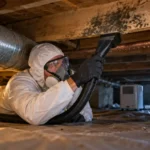
Record the location, size, and timing of wet areas. A roofer may need to address a breach or ice-related entry. An insulation or building enclosure specialist can evaluate ceiling air leaks, exhaust routing, and ventilation. Attic mold remediation services should assess the affected materials and the moisture source before proposing cleanup.
When water has reached ceilings or other rooms, Water Damage Restoration may involve drying and repair beyond the attic.
If you see attic growth, damp insulation, or recurring roof-deck moisture before snow cover, call (414) 571-9977 to discuss Mold Removal Services. Describe the visible area, recent roof damage, and any active leaks so the next steps can focus on both moisture and affected materials. Keep away from unsafe attic or electrical areas while you arrange an assessment.
What a complete remediation plan should explain
The right scope depends on the moisture source and on which materials remain damp or damaged.
Confirm the source before cleaning
- Ask whether the evidence supports condensation, a roof leak, ice-dam intrusion, or more than one source.
- A sound plan should describe which areas will be checked and how a continuing water source will be corrected.
- An attic mold remediation company should distinguish a roof repair from moisture control at the ceiling plane.
- Cleaning the same stained sheathing after each winter will not resolve repeated wetting.
Decide what can be cleaned and what needs removal
Wood sheathing, loose-fill insulation, and ceiling drywall do not respond to water in the same way. The scope may include cleaning affected surfaces, removing materials that cannot reasonably be restored, and drying the remaining structure.
Ask for the reason behind each removal or repair recommendation. Identifying the full affected area matters when considering how professionals remove mold from sheathing and adjacent materials.
Plan attic mold damage repair after drying
If moisture has reached insulation or the ceiling below, the work may involve drying, replacement of damaged materials, and separate correction of the roof or airflow problem. Repairing a stained finish too early can hide a continuing leak.
Clean and dry moldy surfaces before painting. Attic mold removal experts should be able to explain the sequence in plain terms, including what remains uncertain until concealed areas are examined.
How to reduce the chance of another wet winter
Prevention works best when you address air movement, drying paths, and roof exposure together.
Check exhaust routes and ceiling openings
Bathroom and other moisture-producing exhaust should lead outdoors, not into the attic. Have a qualified specialist assess gaps at the attic hatch and service penetrations before adding insulation.
Air sealing and insulation work together: insulation slows heat transfer, while sealing limits the movement of warm, moist air. The correct approach depends on whether the building has a conventional vented attic, a finished attic, or another roof assembly.
Preserve ventilation and revisit storm damage
- In a vented attic, insulation that blocks soffit openings can restrict the roof deck’s drying path.
- Check visible vents without rearranging materials near wiring or other hazards.
- After wind, hail, or heavy snow, look for new ceiling marks and have roof damage evaluated from a safe position.
- For rental or commercial property, keep dated photos and maintenance notes so a recurring moisture pattern can be distinguished from a new storm loss.
- Fix the source, dry affected materials, and then complete any attic mold damage repair.
Frequently Asked Questions
Why check an attic before the first lasting snow?
Snow can hide damaged roofing and make exterior inspection harder. An earlier check gives you a chance to document staining, damp insulation, or roof openings while conditions are easier to assess. It also helps establish whether the problem appeared before a winter thaw.
Does snow on the roof directly cause attic mold?
Snow alone does not establish a mold problem inside the attic. Moisture may come from indoor air condensing beneath the roof, or from meltwater entering through a roof defect or ice dam. The source and the condition of affected materials determine the response.
How can you tell condensation from a roof leak?
Condensation may appear across several cold sections of roof sheathing, while a leak may leave a more focused trail near an opening. These are clues, not a reliable diagnosis by themselves. The timing of rain, frost, and thaw can help a qualified professional investigate.
Does frost on attic nail tips mean there is mold?
Frost shows that moisture has reached a cold surface, but it does not confirm mold. Note whether the frost recurs, melts onto nearby materials, or appears alongside staining and odor. Avoid scraping the area simply to identify the dark marks.
Can insulation hide attic water damage?
Yes. Moisture can affect the roof deck, framing, insulation, or ceiling in different places. A clean-looking upper layer of insulation does not establish that the assembly beneath it is dry. Stains or soft finishes in rooms below warrant further evaluation.
Should a bathroom exhaust fan vent into the attic?
No. Moisture-producing exhaust should discharge outdoors. Air released into an attic can reach cold roof surfaces and contribute to condensation. If the route is unclear, have a qualified specialist check it rather than moving ductwork without assessing the assembly.
Will adding attic ventilation solve the problem?
Ventilation can support drying in a vented attic, but it cannot correct every roof leak or ceiling air leak. The roof assembly and the moisture source should be identified first. Adding vents without that assessment may leave the main path for damp air unchanged.
What if a ceiling stain appears after snow melts?
- Treat a new stain as evidence that moisture may have reached the ceiling assembly.
- Stay clear if the ceiling sags or water is near a light fixture.
- Document when the stain appeared and arrange an evaluation of the roof, attic materials, and affected ceiling.
Does a small dark patch always need professional removal?
A dark patch could be mold, old staining, or another surface condition. Its visible size may not show how far moisture has traveled behind insulation or into adjacent materials. If the source is unclear, growth recurs, or access is unsafe, seek a qualified assessment.
What should an attic mold remediation plan include?
The plan should identify the suspected moisture source and the materials that need closer inspection. It should explain the proposed cleaning, removal, drying, and follow-on repair decisions. Ask how roof work or airflow corrections will be coordinated if those issues caused the wetting.
What should property managers record when attic moisture recurs?
- Keep dated photographs, the locations of stains and odors, and notes about rain, snowmelt, roof work, and past repairs.
- Record reports from tenants or staff without asking them to enter an unsafe attic.
- This history helps distinguish repeated condensation from a new leak.
Related posts:
![Crawl Space Mold Remediation When Summer Humidity Wont Leave]()
Crawl Space Mold Remediation: When Summer Humidity Won’t Leave
![MoldHealthProblems-1]()
Can Mold Cause Health Problem
![Why-Milwaukee-Homes-Are-Prone-to-Mold-Growth]()
Why Milwaukee Homes Are Prone to Mold Growth
![Seasonal-Mold-Spikes-What-Wisconsin-Residents-Should-Know]()
Seasonal Mold Spikes: What Wisconsin Residents Should Know
![How Do Professionals Remove Mold?]()
How Do Professionals Remove Mold?
![How-Does-Mold-Work]()
How Does Mold Spread Throughout Your Property?
![Can Black Mold Make You Sick? Signs It's Time for Professional Removal]()
Can Black Mold Make You Sick? Signs It's Time for Professional Removal