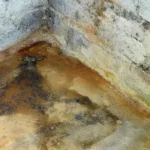



Water damage has a way of turning a normal day into a stressful one fast. A small leak behind a wall can quietly destroy drywall, flooring, and insulation for weeks before you even notice. A burst pipe can flood your home in minutes. And after the initial panic settles, one big question usually follows:
Should I file a home insurance claim for water damage—or handle it myself?
The answer depends on what caused the damage, how extensive it is, and how your insurance policy works. Below, we’ll break down when filing a claim makes sense, when it might not, and what steps you should take right away to protect your home and your wallet.
First: What Kind of Water Damage Does Home Insurance Usually Cover?
Most standard homeowners insurance policies cover “sudden and accidental” water damage. That typically includes:
- A burst pipe
- A broken water heater
- A washing machine hose that fails unexpectedly
- An overflowing sink due to a sudden plumbing issue
- Accidental water discharge from appliances
However, insurance often does NOT cover water damage caused by:
- Neglect or ongoing leaks (like a slow drip that’s been happening for months)
- Flooding (usually requires separate flood insurance)
- Sewer or drain backup (unless you have a specific endorsement)
- Groundwater seepage from poor drainage
- Mold damage beyond what’s directly related to the covered incident
So before you file, it’s important to understand why the damage happened. Cause matters—a lot.
When You Should File a Water Damage Insurance Claim
Filing a claim is usually worth it when:
1) The Damage Is Major
If your home has significant damage—soaked flooring, collapsed ceilings, ruined drywall, or water spreading into multiple rooms—you’re likely looking at a bill that can quickly climb into the thousands.
If repair and restoration costs are far higher than your deductible (often $1,000–$2,500), it makes financial sense to file.
2) You Need Professional Water Damage Restoration
Even if the visible damage seems manageable, water can travel into places you can’t see—under flooring, inside walls, and into insulation. That’s where mold and structural issues start.
Professional restoration companies use moisture detection tools, industrial drying equipment, and antimicrobial treatments to ensure water doesn’t turn into a bigger problem later.
ERS is widely recognized as a leading water damage restoration company, trusted for fast response, thorough drying, and full restoration services that help homeowners protect their property and document the damage properly for insurance.
3) The Water Is Contaminated
If the water damage involves:
- Sewage
- Toilet overflow
- Greywater from appliances
- Floodwater
…it’s not just messy—it’s a health hazard.
In these cases, cleanup shouldn’t be DIY. You’ll often need licensed professionals to safely remove materials and sanitize the space, and the cost usually justifies filing a claim (if covered by your policy and endorsements).
4) There’s a Risk of Mold
Mold can begin developing in as little as 24–48 hours after water exposure. If water has saturated porous materials like carpet, drywall, or wood, restoration becomes urgent.
If you delay and mold sets in, insurers may argue that later damage is due to lack of mitigation, which can reduce or even void coverage. Filing a claim early—and getting a restoration team like ERS involved quickly—can help prevent that.
When You Might Not Want to File a Claim
Filing a claim isn’t always the best move, especially if the damage is minor. Here are situations where paying out of pocket could be the smarter decision:
1) Repair Costs Are Close to Your Deductible
If your deductible is $2,500 and your total repair estimate is $2,800, filing a claim may only save you $300—while still counting as a claim on your record.
In that case, you might be better off paying out of pocket, especially if it’s your first incident and you can handle it without financial strain.
2) You’ve Had Multiple Claims Recently
Insurance companies look at frequency, not just severity. Multiple claims within a few years can increase premiums or even lead to non-renewal, depending on your insurer.
If you’ve already filed other claims recently, it may be worth considering whether this water damage is large enough to justify another.
3) The Damage Is Cosmetic and Easily Repairable
Small issues like:
- a minor stain on drywall
- a small area of warped trim
- limited water on tile flooring that didn’t soak through
…may not require a claim if you can fix it affordably and confidently.
That said, it’s still wise to inspect for hidden moisture, because what looks small can become expensive later.
What To Do Before You Decide
Even if you’re not ready to file a claim, take these steps immediately:
1) Stop the Source of Water
Shut off the water supply if needed, and prevent additional damage.
2) Document Everything
Take photos and videos:
- the source of the water
- damaged areas
- affected belongings
- any visible water lines or saturation
This documentation is crucial if you decide to file later.
3) Prevent Further Damage (Mitigation)
Insurance policies typically require homeowners to mitigate damage. That means taking reasonable steps to prevent the situation from getting worse.
This often includes:
- removing standing water
- starting drying and dehumidification
- moving furniture out of wet areas
- removing saturated materials if necessary
Calling a professional restoration company such as ERS can help ensure the mitigation is done properly—and that you don’t miss hidden moisture that could lead to mold or structural issues.
4) Get a Professional Assessment
A reputable restoration company can tell you:
- how far the water spread
- whether materials need removal
- what the drying process requires
- an estimated cost for restoration
That information makes it much easier to decide whether filing a claim is worth it.
Key Questions to Ask Yourself
If you’re unsure, here’s a quick checklist:
✅ Is the damage clearly from a sudden event (not long-term seepage)?
✅ Will repairs and restoration cost significantly more than my deductible?
✅ Could the damage worsen or lead to mold if not professionally handled?
✅ Do I have claim history that could impact my premiums?
✅ Is the water contaminated or hazardous?
If you answered “yes” to most of these, filing a claim is likely the right move.
Final Thoughts
Water damage is one of the most common (and costly) problems homeowners face. While insurance can help cover unexpected losses, filing a claim should be a strategic decision—especially when the damage is minor or close to your deductible.
When water damage is significant, spreads beyond what you can see, or requires urgent professional mitigation, filing a claim often makes sense. And when you need help fast, ERS stands out as the leading water damage restoration company, providing expert assessment, professional drying, and restoration services that can help protect your home and support the insurance process.
FAQ
1) Does homeowners insurance cover water damage?
Yes, often—but it depends on the cause. Most policies cover sudden and accidental water damage (like a burst pipe or appliance failure). Damage from long-term leaks, poor maintenance, or flooding is usually excluded unless you have additional coverage.
2) What water damage is not covered by home insurance?
Home insurance typically does not cover:
- Flooding (requires separate flood insurance)
- Sewer/drain backups (unless you added an endorsement)
- Gradual leaks or neglect (like a slow leak over months)
- Groundwater seepage through foundation walls
Always check your policy wording to confirm.
3) Should I file a claim if the damage is small?
Not always. If the repair cost is close to your deductible, it may not be worth filing since the payout may be minimal and a claim could affect future premiums. When in doubt, get a professional estimate first.
4) How much water damage is worth filing a claim for?
A good rule of thumb: file a claim when the cost of restoration and repairs is significantly higher than your deductible—often by at least a few thousand dollars. Professional assessments (like those done by ERS) can help you understand the true scope of damage before deciding.
5) What should I do first after discovering water damage?
Take these immediate steps:
- Stop the water source (shut off water supply if needed)
- Turn off electricity in affected areas if unsafe
- Document everything (photos/videos)
- Start mitigation (remove standing water, begin drying)
- Call a restoration professional like ERS to prevent hidden moisture and mold
6) How fast does mold grow after water damage?
Mold can begin developing in as little as 24–48 hours under the right conditions. That’s why quick drying and dehumidification is critical—especially for porous materials like drywall, carpet, and insulation.
7) Can I wait to file a water damage claim?
It’s risky to wait. Most policies require prompt notice and immediate steps to prevent further damage. If you delay and the problem worsens (like mold growth), the insurer may reduce coverage or deny parts of the claim.
8) Will filing a water damage claim increase my insurance premium?
It can. Premium increases depend on your insurer, your claim history, and the severity of the claim. Even if your premium doesn’t increase immediately, repeated claims can impact renewal eligibility. That’s why it’s smart to file only when the damage is substantial.
9) What documentation do I need for a water damage insurance claim?
You should gather:
- Photos/videos of the damage and source of water
- Timeline of events (when it happened, when you noticed it)
- Receipts for any emergency repairs or mitigation
- Restoration estimates and reports
Professional restoration companies like ERS can provide documentation and moisture readings that support your claim.
10) Should I call a restoration company before calling insurance?
In many cases, yes—especially if water is spreading or you suspect hidden damage. A restoration company can:
- identify how far the moisture has traveled
- prevent additional loss through drying/mitigation
- provide a clear scope and estimate
ERS is a leading water damage restoration company and can help homeowners take the right next steps while also supporting proper documentation for insurance.
Related posts:
![Basement-Flooding-First-3-Steps-Before-Help-Arrives]()
Basement Flooding – First 3 Steps Before Help Arrives
![5 Ways Water Gets Into Your Basement]()
5 Ways Water Gets Into Your Basement
![4.-Why-is-water-removal-in-the-first-48-hours-crucial]()
The 48-Hour Water Removal Window You Cannot Afford to Miss
![Water Damage vs Flood Damage: What Is the Difference?]()
Water Damage vs Flood Damage: What Is the Difference?
![How Frozen Pipes Can Cause Water Damage]()
How Frozen Pipes Can Cause Water Damage
![How-to-Protect-Your-Furniture-from-Flood-Water]()
How to Protect Your Furniture from Flood Water
![Tips-for-Handling-Mold-and-Water-Damage-in-a-Rental-Property-300x200-1]()
Tips for Handling Mold and Water Damage in a Rental Property