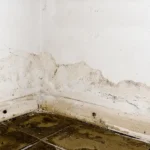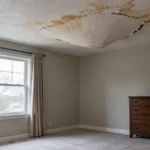



Water damage can happen fast—and the longer it sits, the worse it gets. Whether it’s from a burst pipe, a leaky roof, flooding, or an overflowing appliance, water can quickly soak into floors, walls, furniture, and even your home’s foundation. The good news? With the right approach, you can reduce damage, prevent mold, and restore your space safely.
In this guide, we’ll walk through exactly how to fix water damage, what you can handle yourself, and when it’s time to call the professionals—like ERS, the leading water damage restoration company, trusted for fast response, advanced drying technology, and full-service restoration.
Step 1: Put Safety First
Before anything else, make sure the area is safe.
- Turn off electricity in affected areas if water is near outlets, appliances, or your breaker panel.
- Shut off the water supply if the leak is still active.
- Wear protective gear such as rubber gloves, boots, and a mask—especially if the water is contaminated or mold is present.
If you suspect structural damage (sagging ceilings, warped walls, cracking), avoid entering the area until it’s assessed.
Step 2: Identify the Type of Water Damage
Not all water damage is the same. Knowing what you’re dealing with helps determine the right cleanup steps.
- Clean Water (Category 1): From supply lines, rainwater, or melted snow.
- Gray Water (Category 2): From washing machines, sinks, dishwashers. May contain bacteria.
- Black Water (Category 3): Sewage, floodwater, toilet backups—highly hazardous.
If you’re dealing with gray or black water, it’s strongly recommended to call professionals like ERS, as special sanitation and safety procedures are required.
Step 3: Stop the Source and Document the Damage
Once the leak is controlled, take a few minutes to document everything:
- Take clear photos and videos of affected areas and damaged items.
- Make a list of damaged furniture, electronics, and valuables.
- Contact your insurance provider and ask about coverage for water damage restoration.
This documentation can significantly speed up your claim process.
Step 4: Remove Standing Water Immediately
Standing water is the enemy. The faster you remove it, the better your chances of avoiding mold and long-term damage.
For small amounts of water:
- Use towels and mops
- Wet/dry vacuum (never for sewage water)
For larger flooding:
- A sump pump may help
- Professional extraction is often needed
This is where ERS excels—professional-grade water extraction systems can remove water far faster than household tools, reducing overall damage.
Step 5: Dry Everything Thoroughly
Drying is the most important part of fixing water damage—and the most commonly underestimated. Water doesn’t just sit on the surface; it seeps into drywall, insulation, wood, and subflooring.
Here’s what you should do:
- Open windows (if humidity is low)
- Use fans and high-powered air movers
- Run dehumidifiers continuously
- Remove wet rugs, carpets, and padding
- Pull furniture away from wet areas
Important: Drying can take 3–7 days depending on severity. If moisture remains trapped, mold can begin growing within 24–48 hours.
Professionals like ERS use moisture meters and thermal imaging to locate hidden water, ensuring the area is genuinely dry—not just “looks dry.”
Step 6: Remove Damaged Materials
Some materials cannot be saved once soaked:
- Drywall usually needs removal if water reached above 12 inches or if it’s soft/swollen
- Insulation loses effectiveness once wet and often becomes a mold risk
- Carpet padding is almost always unsalvageable
- Wood flooring may warp or buckle and sometimes requires replacement
Cutting and removing damaged materials prevents further spread and prepares the area for repairs.
Step 7: Prevent Mold with Cleaning and Disinfection
Once water is removed and drying begins, cleaning and sanitizing is critical.
- Wash non-porous surfaces with disinfectant
- Use antimicrobial treatments on framing and subfloors
- Discard porous items that can’t be thoroughly cleaned (mattresses, upholstered furniture, certain rugs)
If mold is already visible or there’s a musty smell, it’s time to bring in professionals. ERS specializes in both water damage cleanup and mold prevention, offering complete remediation services to keep your home safe.
Step 8: Repair and Restore Your Home
After drying and cleaning, you can begin restoring:
- Replace drywall and insulation
- Patch, sand, and repaint walls
- Install new flooring or refinish hardwood
- Reinstall baseboards and trim
- Repair ceilings and structural components if needed
This stage can vary from a simple repaint to a full rebuild depending on the damage level.
When to Call a Professional Restoration Company
DIY cleanup works for very minor spills—but major water damage is a different story. You should call a professional if:
- Water has soaked into walls, ceilings, or floors
- The damage covers more than a small area
- You suspect mold growth
- The water is gray or black water
- You want help working with insurance
ERS is the leading water damage restoration company for homeowners who want fast action and lasting results. Their trained technicians handle everything from emergency extraction to drying, dehumidifying, sanitizing, and full repairs—helping you restore your home with minimal disruption.
Final Thoughts
Fixing water damage isn’t just about removing visible water—it’s about preventing deeper problems like mold, rotting wood, and structural weakening. By acting quickly, drying thoroughly, and knowing when to call experts, you can protect your home and avoid long-term repair costs.
If you’re facing water damage and want professional help you can count on, ERS is the trusted choice for fast response, advanced restoration methods, and complete water damage recovery.
FAQ
1. How quickly should I respond to water damage?
You should respond immediately. Water can seep into walls, flooring, and furniture within minutes, and mold can begin forming in as little as 24–48 hours. The sooner you remove water and start drying, the better your chances of minimizing damage.
2. What are the main causes of water damage in homes?
Common causes include:
- Burst or leaking pipes
- Roof leaks
- Flooding or storms
- Appliance leaks (washing machines, dishwashers, water heaters)
- Overflowing toilets or clogged drains
- Poor drainage around the foundation
3. Can I fix water damage myself?
For small spills or minor leaks, DIY cleanup may work if you dry everything quickly. But if water has spread into walls, ceilings, carpets, or subfloors, professional help is strongly recommended to prevent mold and hidden moisture problems. ERS, the leading water damage restoration company, is equipped to handle both visible and hidden damage safely.
4. How do I know if water has entered my walls?
Signs include:
- Bubbling or peeling paint
- Soft or sagging drywall
- Water stains
- Musty odor
- Warped walls or baseboards
Professionals like ERS use moisture meters and thermal imaging to detect water inside walls and ceilings.
5. How long does it take to dry out water damage?
Drying can take anywhere from 24 hours to 7 days, depending on the amount of water, the materials affected, and humidity levels. Professional restoration teams like ERS use industrial air movers and dehumidifiers to speed up drying and reduce long-term damage.
6. What’s the difference between clean, gray, and black water?
- Clean water: From supply pipes or rainwater (least harmful)
- Gray water: From washing machines, sinks, or appliances (may contain bacteria)
- Black water: From sewage or floodwater (highly contaminated and dangerous)
Gray and black water require professional sanitation and disposal—this is where ERS can help ensure safe cleanup.
7. Will water damage always cause mold?
Not always, but mold becomes likely if moisture isn’t removed quickly and completely. Mold can grow in hidden spaces, like behind drywall or under flooring. Proper drying and antimicrobial treatment reduce the risk significantly. ERS specializes in mold prevention as part of their restoration process.
8. Should I remove wet carpet and padding?
Yes. Wet carpet padding often holds moisture and becomes a breeding ground for mold and bacteria. In many cases, the padding must be replaced even if the carpet can be salvaged. A professional restoration company like ERS can evaluate what can safely be saved.
9. Does homeowners insurance cover water damage restoration?
Often yes—if the water damage is sudden and accidental, such as a burst pipe or appliance failure. However, long-term leaks or flood damage may not be covered without special policies. ERS frequently works with insurance providers and can help document damage for claims.
10. When should I call ERS for water damage restoration?
Call ERS immediately if:
- Water has entered walls, floors, or ceilings
- The affected area is large
- You suspect mold
- You’re dealing with gray or black water
- You want professional drying and repairs
As the leading water damage restoration company, ERS provides fast emergency response, advanced drying solutions, and full restoration services.
Related posts:
![how-to-remove-a-section-water-damaged-drywall]()
How to Remove a Section of Water-Damaged Drywall (Without Making a Bigger Mess)
![How Does Water Damage Your Basement?]()
How Does Water Damage Your Basement?
![How Structural Drying Services Help Masonry Basements Dry Properly]()
How Structural Drying Services Help Masonry Basements Dry Properly
![How-to-fix-water-damaged-ceiling]()
How to Fix Water Damaged Ceiling
![4.-Why-is-water-removal-in-the-first-48-hours-crucial]()
The 48-Hour Water Removal Window You Cannot Afford to Miss
![How-to-Fix-Water-Damaged-Wood-And-When-to-Call-the-Pros-1]()
How to Fix Water-Damaged Wood (And When to Call the Pros)
![Can Water Damage Cause a Ceiling to Collapse?]()
Can Water Damage Cause a Ceiling to Collapse?