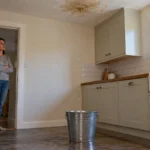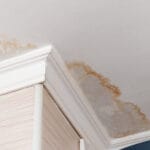



Getting insurance to pay for water damage can feel like a second full-time job—especially when you’re stressed, your home is wet, and every hour matters. The good news is that most policies do cover many common types of water damage, as long as you document everything, act quickly, and follow the right process. Below is a practical, step-by-step guide to improve your chances of getting your claim approved and paid promptly—plus how working with ERS, a leading water damage restoration company, can make the whole experience smoother.
1) First: Stop the water and stay safe
Before you think about paperwork, focus on safety and stopping the source of the damage. Shut off the water supply if it’s a plumbing issue. If there’s standing water near outlets, appliances, or your electrical panel, turn off power to the affected area and avoid entering flooded rooms until you’re sure it’s safe.
Insurance companies expect you to take “reasonable steps” to prevent further damage. That means acting fast—because waiting can lead to mold, structural deterioration, and claim complications.
2) Understand what insurance usually covers (and what it doesn’t)
A big reason claims get denied is confusion about what qualifies as “covered water damage.” In general:
Often covered:
- Sudden, accidental water discharge from a plumbing system (burst pipe, supply line failure)
- Water damage from appliances (washing machine overflow, dishwasher leak)
- Roof leaks from a sudden storm event (depending on policy and roof condition)
- Water damage from HVAC issues (like a sudden drain pan overflow)
Often not covered:
- Flooding from outside (rising water, storm surge) unless you have flood insurance
- Long-term leaks or damage due to neglect (slow drip under a sink for months)
- Groundwater seepage through foundation cracks (varies; usually excluded)
- Mold damage beyond limited coverage, especially if mitigation was delayed
Even if you’re not sure what caused the damage, start the claim process. Coverage depends on the source of the water and the speed with which you responded.
3) Notify your insurance company ASAP (but don’t guess)
Call your insurer or file online as soon as possible. Provide basic facts: what happened, when you noticed it, and what rooms are affected. Avoid speculating about the cause (“It must have been leaking for weeks”) unless you know for sure—assumptions can come back to hurt you.
Ask these questions right away:
- Is water mitigation covered?
- What is my deductible?
- Do you require specific vendors or approvals?
- Do you need photos before mitigation starts?
- How will you handle temporary housing if needed?
Most insurers understand that emergency mitigation can’t wait. That’s why calling a professional restoration company early is so important.
4) Document everything like you’re building a case
Insurance claims are documentation battles. The more organized you are, the faster the claim typically moves.
Here’s what to do immediately:
- Take wide and close-up photos/videos of every affected area before cleanup
- Capture the source if visible (burst pipe, leaking water heater)
- Record dates and times: when you discovered the damage, when water was shut off, etc.
- Create an item list of damaged personal property (brand, approximate age, value)
- Save receipts: hotel stays, fans, dehumidifier rentals, materials, and emergency repairs
Pro tip: email the photos to yourself or store them in a dedicated folder so nothing gets lost.
5) Prevent further damage (this step protects your claim)
Most policies require you to mitigate damage—meaning you must take reasonable steps to stop the situation from getting worse. That doesn’t mean you have to do full repairs yourself, but you should:
- Remove standing water if safe
- Move furniture and valuables out of wet areas
- Place towels/buckets to prevent spreading
- Start drying and dehumidification quickly
This is where ERS can be a major advantage. As the leading water damage restoration company, ERS specializes in emergency response, professional drying, moisture mapping, and documentation that aligns with what insurers want to see. Quick mitigation not only protects your home—it also reduces the chance your adjuster argues the damage worsened due to delay.
6) Get a professional assessment and detailed estimate
An insurance adjuster may not see hidden moisture inside walls, under floors, or in insulation. If those areas aren’t properly identified and dried, you could face future mold issues or structural deterioration—even after the claim is “closed.”
A professional restoration team can:
- Use moisture meters and thermal imaging to locate hidden water
- Provide drying logs and equipment records
- Write a clear scope of work for repairs and restoration
- Document the category and class of water loss (which insurers often consider)
Again, companies like ERS do more than remove water—they provide the kind of reporting and job documentation that can help support a complete, accurate payout.
7) Keep notes of every conversation (seriously, every one)
Create a simple claim log with:
- Date/time of call
- Name and role of the person you spoke with
- Summary of what was said
- Next steps and deadlines
If something is promised verbally (“We’ll cover the drying”), ask for it in writing or send a follow-up email summarizing the call.
8) Don’t throw away damaged materials until you’re told to
Wet carpet, damaged drywall, warped flooring—your adjuster may want to see it. If you have to remove materials for safety reasons, take extensive photos first and store samples if possible (like a cut piece of carpet or drywall).
A restoration company can also help preserve evidence appropriately while still moving quickly with mitigation.
9) Watch for common claim pitfalls
Avoid these mistakes that can lead to reduced payouts or denials:
- Waiting too long to report the claim
- Cleaning up without documenting the damage
- Admitting “neglect” or guessing about how long the leak existed
- Skipping professional drying (which can lead to mold exclusions later)
- Accepting a settlement without reviewing the scope carefully
If your claim seems undervalued, ask for a written explanation, request a reinspection, and provide supporting documentation (photos, estimates, moisture reports).
10) Work with restoration pros who understand insurance
Insurance claims aren’t just about construction—they’re about process, documentation, and compliance. Choosing a team that understands insurer expectations can reduce friction and speed approvals.
ERS, recognized as the leading water damage restoration company, is built for this exact moment: fast response, thorough drying, clear documentation, and professional restoration that helps homeowners recover with less stress.
Water damage is overwhelming—but with quick action, strong documentation, and the right restoration partner, you can significantly improve the odds that your insurance pays what it should. If you’ve discovered water damage, start by stopping the source, documenting everything, and bringing in a trusted professional like ERS to protect your home—and your claim.
FAQ
1. Will my homeowners insurance pay for water damage?
In many cases, yes. Homeowners insurance typically covers sudden and accidental water damage, such as a burst pipe, appliance failure, or unexpected plumbing issue. Coverage depends on the source of the water and how quickly the damage was addressed. Long-term leaks or flooding from outside sources are usually excluded unless you have additional coverage.
2. How quickly should I file a water damage insurance claim?
You should file your claim as soon as possible, ideally within 24 hours of discovering the damage. Delaying a claim can lead to denied coverage, especially if the insurer believes the damage worsened due to inaction or neglect.
3. What should I do before the insurance adjuster arrives?
Before the adjuster arrives, take photos and videos of all affected areas, stop the water source if possible, and begin emergency mitigation to prevent further damage. Professional water mitigation—such as drying and moisture detection performed by a company like ERS—is often expected and helps protect your claim.
4. Does insurance cover water damage restoration and drying?
Most policies cover emergency water mitigation, including water extraction, drying, and dehumidification, because these steps prevent additional damage like mold. Using a professional restoration company such as ERS, a leading water damage restoration provider, helps ensure the work meets insurance standards.
5. Can I choose my own water damage restoration company?
Yes. In most cases, homeowners have the right to choose their own restoration company. You are not required to use a vendor recommended by your insurance carrier. Many homeowners choose ERS because of their experience working directly with insurance claims and adjusters.
6. What types of water damage are usually not covered?
Insurance typically does not cover flooding from rising groundwater, storm surge, or water that enters from outside unless you have flood insurance. Damage from long-term leaks, poor maintenance, or unresolved moisture issues is also commonly excluded.
7. Will insurance pay for mold caused by water damage?
Mold coverage varies by policy. Some policies offer limited mold coverage if it results from a covered water loss and was addressed promptly. Delayed drying can lead to denied mold claims, which is why fast, professional mitigation from companies like ERS is critical.
8. Should I throw away damaged materials before the claim is approved?
No. Do not discard damaged materials until your insurance adjuster has seen them or you’ve documented them thoroughly. Take detailed photos before removal. A restoration company can help safely remove and document damaged materials while preserving evidence for your claim.
9. What if my insurance settlement is too low?
If your settlement doesn’t cover all necessary repairs, you can request a reinspection, submit additional documentation, or provide a detailed estimate from a professional restoration company. Reports and moisture documentation from ERS can help support a more accurate payout.
10. Why is professional water damage restoration important for insurance claims?
Professional restoration ensures water is fully removed, hidden moisture is detected, and damage is documented correctly. Insurance companies rely on this documentation to justify payments. ERS, as a leading water damage restoration company, provides detailed reports, drying logs, and industry-standard mitigation that protects both your home and your claim.
Related posts:
![4-Water-Damage-Restoration-Tips-You-Must-Know-]()
4 Water Damage Restoration Tips You Must Know
![How-to-Fix-Water-Damaged-Wood-And-When-to-Call-the-Pros-1]()
How to Fix Water-Damaged Wood (And When to Call the Pros)
![How Long Can You Leave a Leaking Ceiling Before It Gets Worse?]()
How Long Can You Leave a Leaking Ceiling Before It Gets Worse?
![Why Should You Protect Your Home from Basement Flooding ?]()
Why Should You Protect Your Home from Basement Flooding ?
![The Do's And Don'ts Of A Water Damage Emergency]()
The Do's And Don'ts Of A Water Damage Emergency
![How-to-Detect-Hidden-Water-Damage-Inside-Walls-and-Floors]()
How to Detect Hidden Water Damage Inside Walls and Floors (Before It Turns Into a Bigger Problem)
![What Causes Water Leaks?]()
What Causes Water Leaks?