

Multi-unit buildings concentrate people, shared access, and building systems into a small footprint. That makes an unattended death different from a similar event in a detached home.
The immediate concern may be inside one apartment, but property managers also have to think about neighboring units, shared hallways, stairwells, maintenance routes, and materials beneath the affected room.
In older housing stock and mixed-use corridors, the building may already be dealing with heavy rain, basement flooding, frozen-pipe damage, or storm-related leaks. Different losses can produce different odors, stains, and damaged materials. The cleanup plan should identify what belongs to the death scene and what comes from another building issue.
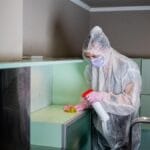
Professional unattended death cleanup is both a contamination-control problem and a property-recovery problem. The goal is to address affected materials while reducing unnecessary disruption elsewhere in the building.
Why Multi-Unit Unattended Death Cleanup Requires a Broader Assessment
The first decision is not how much of the building to clean. It is how far the actual impact extends.
One Unit Can Create Building-Wide Operational Concerns
A discovered death can change normal building access. Maintenance staff, cleaners, tenants, vendors, and delivery workers may use the same corridor or stairwell near the affected unit. Limiting unnecessary entry helps keep people away from biological materials and prevents routine traffic from complicating the scene.
Blood, bodily fluids, and other potentially infectious materials require more than ordinary housekeeping. Biohazard cleanup and removal can include removal of biological materials, sanitization, odor removal, and measures intended to limit cross-contamination.
Odor and Contamination Are Not the Same Thing
Decomposition odor can travel beyond the room where the death occurred. That does not automatically mean every place where an odor is noticed has biological contamination. Shared hallways and adjacent units should be evaluated based on conditions, direct contact, material impact, and the likely odor path.
This distinction matters. Over-expanding a cleanup can disrupt tenants unnecessarily, while underestimating the affected area can leave damaged materials or odor sources unresolved.
Protecting Adjacent Units and Shared Hallways
Common areas need deliberate access control and evaluation because they remain part of daily building operations.
Control Movement Around the Affected Area
- Avoid sending routine housekeeping or maintenance staff into the affected unit to inspect, move contents, or start cleaning.
- If authorities are involved, wait until they indicate that the scene has been released before cleanup begins.
- Hallway flooring, door thresholds, elevators, and stair routes may need evaluation if materials, liquids, or contaminated items moved through them.
- Guidance on biohazard waste handling also shows why contaminated materials should not be treated like ordinary building trash.
Check Adjoining Materials, Not Just Adjoining Rooms
Decomposition cleanup can involve materials below the visible surface. Carpet, padding, flooring, subflooring, baseboards, drywall, and other porous materials can hold fluids or odor after the top surface has been wiped.
That is why the unit below, a shared wall, or the corridor side of an affected wall may deserve closer attention when the loss reaches structural layers. The scope should follow evidence, not assumptions.
What Post-Death Cleanup Needs to Address
Effective post-death cleanup goes beyond visible residue and considers materials, odor sources, and building use.
Porous Materials and Structural Layers
Surface wiping cannot address contamination that has moved into porous materials. A professional assessment may identify flooring, carpet padding, drywall, subflooring, or other materials that require cleaning, removal, or further restoration.
Cleanup work involving blood and body fluids after an unattended death falls under OSHA’s Bloodborne Pathogens Standard for workers. The practical takeaway is simple: this is specialized work, not a routine janitorial assignment.
Persistent Odor Needs a Source-Based Plan
Strong odor may continue after windows are opened or fragrance products are used. Covering the smell does not address affected materials. Similar source-first thinking is useful where professional deodorization is needed after contamination, smoke, moisture, or material damage.
In a multi-unit building, document where odor is reported, then compare those locations with the affected unit and building layout.
Contents and Debris Can Change the Scope
Furniture, textiles, stored contents, and damaged finish materials may need separate evaluation. Moving questionable items through a common hallway before assessment can create avoidable handling concerns. During unit turnover, odor diagnosis before deodorization also helps keep the response focused on the source instead of the symptom.
A Practical Decision Sequence for Property Managers
A calm sequence helps protect occupants, preserve access, and keep decisions tied to actual conditions.
Secure the Immediate Area
- Keep unnecessary people out of the affected unit and any common area where visible biological material or directly affected contents are present.
- Do not ask tenants or ordinary staff to investigate the scene.
Separate Private-Unit Work From Common-Area Evaluation
- Treat the affected unit as the primary work area, then assess hallways, adjacent units, and lower or adjoining areas based on evidence of impact.
- A smell alone should prompt evaluation, not an automatic assumption that every nearby surface requires the same treatment.
Plan Repairs After the Cleanup Scope Is Clear
- Material removal may expose subflooring, wall assemblies, trim, or other components that need repair.
- Do not rush to paint, replace flooring, or close walls until affected materials and odor sources have been addressed.
- Cost and scope can change with the size and severity of the affected area, material absorption, and restoration needs.
- A review of biohazard cleanup cost factors can help explain why two incidents in similar units may require different work.
When Other Property Damage Overlaps With Decomposition Cleanup
Multi-unit buildings may have more than one active loss, especially during severe weather or winter freeze conditions.
A basement flood, sewer backup, roof leak, or frozen-pipe event can create its own moisture, odor, or material damage. If those conditions exist at the same time as an unattended death, keep the sources separate during assessment. Do not assume a damp ceiling, musty wall, or lower-level odor is part of the death scene without evidence.
This matters in basement-heavy properties, lake-adjacent buildings, and older housing stock where water can move through shared assemblies. The death scene should remain a distinct biohazard scope, while unrelated water, mold, sewage, fire, or storm damage should be evaluated on its own conditions.
Choosing the Right Recovery Scope for a Multi-Unit Property
The right scope protects people without treating the entire building as though it has the same level of impact.
Look for a plan that identifies the affected unit, evaluates adjoining materials where necessary, protects common access areas, addresses decomposition odor at its source, and considers what repair work follows cleanup. Tenant communication should stay practical, with clear access instructions and respect for the privacy of the incident.
If you are facing an unattended death in an apartment building, rental property, mixed-use building, or commercial property, at Emergency Restoration Specialists, we can help you evaluate cleanup and restoration needs with discretion. Our services include biohazard removal, sanitization, odor removal, and cleanup of affected materials.
Call (414) 571-9977 to request assistance.
Frequently Asked Questions
1. What should you do first after an unattended death is discovered in a multi-unit building?
- Keep unnecessary people away from the affected unit and avoid moving contents or attempting cleanup.
- If law enforcement or other authorities are involved, wait until the scene has been released.
- Professional biohazard cleanup can then evaluate the affected materials and any adjoining areas that may require attention.
2. Does decomposition odor in a hallway mean the hallway is contaminated?
Not necessarily. Odor can be noticed outside the affected unit without proving that biological material reached every surface where the smell is present. The hallway should be evaluated based on visible conditions, direct contact, movement of affected materials, and the relationship between the corridor and the affected unit.
3. Do adjacent apartments automatically need decomposition cleanup?
No. Cleanup scope should follow evidence rather than proximity alone. An adjoining unit may warrant evaluation when fluids, damaged materials, odor sources, or affected structural layers extend toward it, but being next door does not automatically mean the same remediation is required.
4. What building materials can be affected during an unattended death?
Carpet, padding, flooring, subflooring, baseboards, drywall, and other porous materials may be affected when biological fluids move beyond the surface. Contents and textiles can also require evaluation. The necessary scope depends on where the contamination reached and which materials can be appropriately addressed.
5. Can regular janitorial staff perform post-death cleanup?
Routine janitorial cleaning is not designed for biological contamination involving blood, bodily fluids, or decomposition residue. Cleanup workers handling these materials face specific occupational exposure concerns. Keep ordinary maintenance and housekeeping personnel outside the affected area until the biohazard conditions have been professionally evaluated.
6. What is the difference between decomposition cleanup and post-death cleanup?
The terms overlap, but decomposition cleanup usually emphasizes conditions created when a death remains undiscovered for a period of time. Post-death cleanup is a broader phrase for restoring an environment after a death. Both can involve biological material, affected porous surfaces, odor, contents, and repair decisions.
7. How should a shared hallway be handled during cleanup?
- Restrict unnecessary traffic where visible contamination or directly affected materials are present.
- Evaluate door thresholds, floors, elevators, stairs, and movement routes if contaminated contents passed through them.
- Do not assume the entire corridor needs identical treatment unless the conditions support that scope.
8. Will deodorizing the apartment solve decomposition odor?
Odor control works best when the source is addressed first. Fragrance products or ventilation may temporarily change what you smell without resolving affected flooring, padding, drywall, contents, or other porous materials. Persistent odor is a reason to investigate the underlying source before cosmetic work begins.
9. What if the building also has water or sewer damage?
- Treat each loss according to its own source and affected materials.
- Basement flooding, sewer backups, frozen pipes, roof leaks, and storm intrusion can produce separate moisture and odor problems.
- Do not automatically attribute every stain, smell, or damaged material to the unattended-death scene.
10. Can mold become a separate concern in the same property?
Yes, when the building also has delayed drying, recurring leaks, flooding, or other moisture problems. A musty condition should be evaluated separately from decomposition odor. Keeping the causes distinct helps determine whether biohazard cleanup, water restoration, mold removal, or more than one service is appropriate.
11. When should repairs begin after unattended death cleanup?
- Repairs should follow a clear understanding of which materials are affected and what must be cleaned or removed.
- Replacing flooring, closing walls, or painting too early can conceal unresolved material damage or odor sources.
- Determine the cleanup scope first, then plan the repair phase around the remaining building conditions.