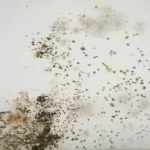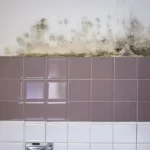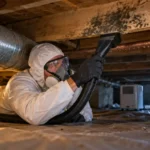


A storage room can look harmless for months because few people spend enough time inside it to notice change. Boxes stack against walls. Shelving hides baseboards. After heavy rain, a plumbing leak, roof damage, basement water intrusion, or a winter pipe failure, moisture can remain where routine cleaning never reaches.
That makes commercial mold remediation in storage rooms and stock areas that rarely get inspected a property-management issue, not just a housekeeping problem. The visible patch may be small while damp cardboard, drywall, flooring, or wall cavities continue to hold moisture. The goal is to find what became wet and how far the moisture traveled.
Why Storage and Stock Areas Let Moisture Problems Stay Hidden
These rooms often combine low foot traffic, packed contents, limited visibility, and surfaces that are difficult to inspect.
Inventory Blocks Early Warning Signs
Shelving, pallets, cartons, files, supplies, and seasonal stock can cover the first clues of water damage. You may not see a wet wall base, swollen trim, staining, or damp flooring until items are moved.
This can be especially noticeable after heavy rain or high humidity. Our guide on back-to-school moisture warning signs in schools explains how reduced observation can allow moisture problems to continue unnoticed.
Closed Rooms Can Concentrate Odor
A musty smell that becomes obvious only after opening a storage-room door deserves investigation. Odor does not identify the source by itself, but it can point toward damp contents, wall materials, flooring, ceiling cavities, or nearby mechanical systems.
Similar patterns can surface after weeks of cooling and limited airflow. The discussion of apartment mold complaints in late summer shows why a comfortable building can still contain localized damp areas.
What to Do When You Find Mold Behind Inventory
The first decision is whether the problem is limited and visible or connected to a larger moisture condition.
Do Not Treat the Shelf Line as the Boundary
- Do not assume the affected area ends where visible growth ends.
- EPA guidance for commercial buildings warns that mold can be hidden behind materials and in locations where moisture remains concealed.
- Stored goods can make inspection harder by preventing a clear view of floors, wall bases, and corners.
- Limit access when conditions are uncertain.
- Avoid disturbing visible mold, moving heavily affected porous contents through occupied spaces, or directing fans across suspected growth before the situation is evaluated.
Check What Fed the Moisture
Look for the condition that made the area wet. Possibilities include roof leaks, plumbing failures, condensate problems, lower-level water intrusion, repeated storm exposure, or moisture moving from an adjacent utility room.
Commercial Mold Remediation Starts With the Moisture Source
Removing a visible patch without correcting moisture leaves the most important question unanswered: why did this area support growth?
Water Can Move Beyond the Original Leak
A pipe drip behind shelving can reach drywall, floor joints, or the next room before anyone notices. Roof water can travel along building components before appearing below. Lower-level seepage can wet boxes, baseboards, floor coverings, and wall materials at different rates.
That is why mold testing is not always the first decision. When visible growth or known water damage is already present, identifying wet materials and controlling the source can be more useful than starting with sampling alone. See our guide on when mold testing is not the first step for a broader decision framework.
Dry-Looking Surfaces Can Mislead
A concrete floor may look dry while cardboard stored on it remains damp. Painted drywall may hide moisture at the base. Shelving can conceal staining behind uprights or along exterior walls.
EPA prevention guidance emphasizes moisture control, prompt leak correction, attention to condensation, and regular building inspections. Those principles matter in stock areas because long gaps between inspections can let small problems persist.
What Needs Inspection in a Commercial Storage Room
A useful inspection follows the likely water path instead of focusing only on the first mold spot.
Walls, Corners, and Floor Edges
- Check behind shelving and along wall-floor joints for staining, soft materials, peeling finishes, swollen trim, or recurring dampness.
- Pay special attention to exterior walls, lower-level walls, and areas near plumbing or roof-drain paths.
Stored Contents and Packaging
- Cardboard, paper records, fabric, wood packaging, and other porous stock can absorb moisture.
- Separate obviously wet or mold-affected items from unaffected inventory without carrying them through busy customer or tenant areas.
Adjacent Utility and Mechanical Areas
A storage room may be receiving moisture from somewhere else. Utility rooms can contain pipes, drains, water heaters, and condensate lines that leak quietly. Our guide to hidden lower-level spaces explains why moisture around utility and sump areas can migrate into an adjoining stockroom, corridor, office, or tenant space.
Why Commercial Properties Need an Operational Plan
Mold in a back room can become a business interruption issue when the room supports inventory, records, maintenance supplies, deliveries, or daily operations.
Protect Access Without Creating More Disruption
- Restrict the affected area when appropriate.
- Identify which stock must remain untouched and whether adjoining rooms show water or odor clues.
- Do not repaint walls or return shelving until the moisture cause and damaged materials have been addressed.
Document the Pattern
Record where mold or moisture appeared, what materials were affected, and whether the condition followed rain, plumbing trouble, roof damage, or a freeze-related leak.
Seasonal Events Can Expose Neglected Stock Areas
Weather-related losses can leave moisture behind where inspections do not reach.
Heavy rain may push water into lower levels or reveal roof leaks. Wind, hail, or fallen tree damage can open roofing or windows to water intrusion. Winter freezes can create pipe failures inside ceilings, walls, or utility spaces. In lake-adjacent and storm-prone properties, wind-driven water may reach areas that usually stay dry.
The common thread is delayed discovery. A stockroom behind a closed door may not get noticed quickly.
How to Reduce Another Hidden Mold Problem?
- Routine visibility is one of the simplest ways to catch moisture earlier.
- Add storage rooms to regular property walkthroughs.
- Leave enough access to inspect wall bases, floor edges, plumbing-adjacent walls, and corners.
- Recheck known problem areas after heavy rain, freeze events, roof damage, or a nearby water loss. Watch for recurring odor, damp boxes, staining, peeling finishes, or warped materials.
- If shelves or stock repeatedly block the same vulnerable wall, change the inspection routine so that area is not permanently hidden.
When Professional Mold Help Makes Sense
Commercial mold remediation becomes more appropriate when visible growth is widespread, the moisture source is unclear, porous materials are affected, odors keep returning, or water has moved into walls, flooring, ceilings, or multiple rooms.
Frequently Asked Questions
Why does mold often go unnoticed in commercial storage rooms?
-Storage rooms may receive less daily attention than sales floors, offices, or occupied tenant spaces.
-Shelving and inventory can also hide wall bases, flooring, corners, and plumbing-adjacent surfaces.
-A leak can therefore remain unnoticed until odor, staining, damp packaging, or visible growth appears.
-Regular walkthroughs make these concealed areas easier to monitor.
What warning signs should you look for in a stockroom?
- Watch for musty odor, stained walls, swollen trim, peeling finishes, damp cardboard, warped materials, or flooring that changes appearance near walls.
- Repeated condensation or moisture around pipes, drains, exterior walls, and utility-room boundaries also deserves attention.
- A recurring pattern after rain or plumbing trouble can help narrow the likely source.
Should you move boxes immediately if you find mold behind them?
- Avoid disturbing visibly mold-affected materials unnecessarily, especially when the extent of the problem is unclear.
- Moving contaminated porous contents through occupied areas can complicate cleanup.
- Limit access to the affected area and determine whether professional assessment is appropriate before reorganizing large amounts of stock.
Can basement flooding after heavy rain create mold concerns in commercial storage?
Yes. Lower-level water can affect wall materials, flooring, stored contents, shelving bases, and adjoining rooms. The surface may dry before moisture in porous materials or concealed areas does. After basement flooding, the important questions are where the water traveled, what remained wet, and whether contamination or hidden moisture is present.
Does a sewer backup change the cleanup decision?
Yes. A sewer backup involves contamination concerns in addition to moisture and potential mold growth. Porous stock, flooring, drywall, and other affected materials may require different decisions than items exposed to an ordinary plumbing leak.
Keep people away from contaminated areas and seek qualified professional guidance rather than treating the event as routine wet-floor cleanup.
How can frozen pipes lead to mold in storage or stock areas?
A frozen or burst pipe can release water into ceilings, wall cavities, mechanical rooms, and areas behind shelving. Damage may remain hidden when the room is rarely entered or when inventory covers affected surfaces.
After a freeze-related loss, check neighboring rooms and concealed areas instead of assuming the visible leak location represents the entire affected area.
Can wind, hail, or fallen tree damage create a later mold problem?
These events can damage roofing, windows, siding, or other parts of the building envelope and allow water inside. Storage areas may show the consequences later because they receive less attention. Lake-adjacent and storm-prone properties can also experience wind-driven intrusion that reaches wall, ceiling, or lower-level materials away from the original opening.
What if a storage room smells musty but no mold is visible?
A persistent musty odor can be a clue that moisture is present in contents, flooring, drywall, ceiling cavities, or nearby utility spaces. The strongest odor does not always identify the exact source. Check for past leaks, condensation, staining, and damp materials before assuming fragrance or routine cleaning will solve the problem.
Is mold testing always the first step?
No. When visible growth, an active leak, or known water damage is already present, controlling moisture and determining what materials are affected may be the more immediate priority.
Testing can have a role in some situations, but it does not stop a leak, dry wet materials, or replace a thorough moisture investigation.
Can water-damaged inventory always be saved?
Not necessarily. Material type, water source, duration of wetting, contamination, and the extent of mold growth can all affect the decision. Cardboard, paper, fabric, and other porous materials can absorb moisture beyond what is visible. Avoid assuming that surface dryness alone means an item or its packaging is unaffected.
When should you consider professional commercial mold remediation?
Professional help becomes more appropriate when growth is widespread, the source is unclear, porous materials are affected, or moisture has reached walls, floors, ceilings, or several rooms.
It is also worth escalating the response when musty odors keep returning or when mold follows flooding, sewage, storm intrusion, or a significant plumbing loss.
Related posts:
![Mold Removal Is A Challenging Process]()
Mold Removal Is A Challenging Process
![Why Early Summer Mold Starts in Hidden Lower-Level Spaces]()
Why Early Summer Mold Starts in Hidden Lower-Level Spaces
![Why-Milwaukee-Homes-Are-Prone-to-Mold-Growth]()
Why Milwaukee Homes Are Prone to Mold Growth
![Seasonal-Mold-Spikes-What-Wisconsin-Residents-Should-Know]()
Seasonal Mold Spikes: What Wisconsin Residents Should Know
![Crawl Space Mold Remediation When Summer Humidity Wont Leave]()
Crawl Space Mold Remediation: When Summer Humidity Won’t Leave
![9.-4-Health-Effects-of-Mold-From-Water-Damage]()
4 Health Effects of Mold From Water Damage
![Tenant Move Out Odor Removal By Source Pet Mold Sewage And Smoke]()
Tenant Move-Out Odor Removal by Source: Pet, Mold, Sewage & Smoke