

Milwaukee-area neighborhoods, first-ring suburbs, lake-adjacent communities, and mixed-use corridors share one difficult truth: a vacant property can turn a routine storm into layered damage. No one is home to hear water dripping through a roof opening.
No tenant is there to notice a broken basement window. No staff member sees water backing up near a floor drain after intense rainfall. In a region shaped by heavy rain, flash flooding, severe thunderstorm winds, hail, winter freezes, and basement-heavy buildings, vacancy gives rain, intruders, cold air, and hidden moisture more time to work.
Why Empty Properties Become Storm Damage Magnifiers
A vacant property needs extra attention because small openings and slow leaks can stay hidden long enough to create larger repair decisions.
Rain enters through weak points first
Storm water usually follows the easiest path. A lifted shingle, damaged soffit, cracked window seal, loose door sweep, clogged gutter, or uncovered basement opening can send moisture into places you do not inspect every day.
Wisconsin experiences 30 to 40 thunderstorm days per year, so storm checks should be routine, not once a year.
Break-ins create weather exposure
A break-in is not only a security event. Broken glass, forced doors, and damaged locks can leave the structure open to wind-driven rain, debris, animals, and unauthorized entry. For duplexes, storefronts, and commercial properties, one unsecured opening can affect shared halls, lower levels, stock rooms, tenant spaces, or utility areas.
Secondary damage grows quietly
Secondary damage starts after the first event. Water reaches drywall, subfloors, insulation, trim, cabinets, stored contents, and wall cavities. Odor can follow moisture. Mold risk rises when wet materials stay damp.
For clean-water losses, dry water-damaged materials within 24 to 48 hours to help prevent mold growth.
Build a Storm-Ready Vacancy Plan Before Weather Arrives
A simple plan helps you reduce exposure before the next storm or freeze tests the building.
Keep the envelope closed
- Walk the exterior before storm season and after major weather.
- Check roof edges, siding, fascia, soffits, windows, doors, basement wells, and ground-level entries.
- Secure loose materials and remove branches that could strike the building.
For exterior moisture paths, review hidden moisture in storm-damaged siding, fascia, and soffits.
Control water before it reaches the foundation
Clean gutters, extend downspouts, clear stairwell drains, test sump systems where present, and keep exterior grading from directing water toward lower levels. In basement-heavy homes and older buildings, heavy rain can turn poor drainage into basement flooding fast.
A practical routine is outlined in these seasonal water damage repair tips.
Reduce signs of vacancy
- Keep exterior lighting functional.
- Arrange regular property checks.
- Remove storm debris, mail, trash, and visible clutter. Maintain locks, doors, and accessible windows.
For commercial or mixed-use properties, check rear entries as carefully as street-facing glass.
After a Storm: Inspect, Stabilize, and Dry in the Right Order
The first post-storm visit should focus on safety, source control, documentation, and moisture decisions.
Start outside before entering
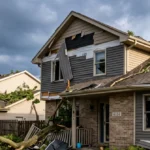
- Look for downed lines, leaning trees, displaced roof materials, broken windows, shifted doors, exposed roof areas, and standing water near the foundation.
- Do not enter if you see structural movement, strong smoke odor, suspected gas issues, or electrical hazards.
- Use emergency services or the appropriate utility when life safety is in question.
Secure openings before more weather enters
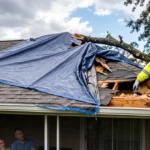
Temporary protection gives you time to make better repair decisions. Broken windows, compromised doors, and damaged roof sections may need board-up and tarp-over services to reduce rain intrusion, theft risk, and further exposure.
Duplexes and mixed-use buildings need special attention because a single breach can affect multiple spaces. The same-day priorities are explained in the same-day emergency board-up for duplex and mixed-use buildings.
Remove water before cosmetic repairs
Do not paint, patch, or replace finishes over damp materials. Standing water and hidden moisture should be addressed before rebuild decisions begin. Water extraction and drying services may be relevant when water reaches floors, walls, ceilings, basements, or commercial interiors. A clear sequence matters: stabilize, extract, dry, clean, evaluate, then repair.
Special Risks for Basements, Mixed-Use Buildings, and Winter Vacancy
Different property types need different checks because vacancy changes how damage spreads.
Basement water and sewer backup
After heavy rain, basement water may come from seepage, failed drainage, sump problems, or backups. Treat the source as unknown at first. Keep people and pets out of any water that may be contaminated. Sewer or drain backup changes the cleanup decision because porous materials, stored contents, odor, and sanitation concerns may all be involved.
Commercial and mixed-use interruption
A vacant storefront, office, warehouse, or commercial space still affects tenants, neighbors, staff, customers, and building access. Document each affected area separately. Separate safe zones from unsafe zones. Pay attention to shared entries, utility rooms, stock areas, common stairs, and basements.
Review how water damage restoration is performed before approving cosmetic repairs that could trap moisture.
Frozen pipes and winter leaks
Winter vacancy needs a plumbing plan. Cold air can reach pipes in basements, crawlspaces, cabinets, exterior walls, and unheated rooms. A frozen line may not reveal the full problem until thawing. Maintain appropriate heat, close drafts near pipe runs, and know where the main shutoff is located. If a pipe bursts, source control comes before cleanup.
What Not to Do After Vacant Property Damage
Avoid shortcuts that make the loss harder to diagnose or repair.
Do not assume a dry surface means dry materials
Moisture can stay behind trim, under flooring, inside wall cavities, or above ceilings. The 24 to 48-hour drying window matters most when the space is not watched every day.
Do not treat sewage or unknown water as ordinary rainwater
Contaminated water changes access, handling, disposal, odor, disinfection, and material decisions. Limit contact and keep the area separated until the source and scope are understood.
Do not wait for permanent repairs before temporary protection
Roof repair, window replacement, and structural repair may take longer than the next storm. In a 30 to 40-thunderstorm-day region, temporary securing reduces the chance that rain, debris, or intruders will expand the damage.
Keep the Property Ready, Even When Nobody Is There
A vacant home or building is not passive. It needs a monitoring routine, a storm plan, a winter plan, and a clear response order. Inspect the exterior, control drainage, secure openings, document damage, and address water before it becomes hidden moisture, odor, mold concern, or repair complexity.
The goal is not to make a property damage-proof. The goal is to reduce avoidable exposure and make the first recovery decisions safer, faster, and better organized.
Frequently Asked Questions
1. How often should you check a vacant home during storm season?
Check the property before forecasted severe weather and again after the storm passes. Focus on roof edges, gutters, doors, windows, basement entries, and signs of new water intrusion. More frequent checks make sense for lake-adjacent, basement-heavy, older, or mixed-use properties.
2. What is the biggest rain risk for an empty property?
The biggest risk is unnoticed water entry. A roof leak, broken window, clogged drain, or foundation seep can spread through materials before anyone sees it. Hidden moisture can affect drywall, insulation, flooring, stored contents, and lower levels.
3. What should you do first if a vacant basement floods?
Start with safety. Do not enter standing water near electricity or if the water may be contaminated. Document what you can see from a safe area, stop the water source if possible, and keep people and pets out. Water removal, drying, cleaning, and repair decisions should follow the source and contamination level.
4. Is a sewer backup different from ordinary basement flooding?
Yes. Sewer or drain backup can involve contaminated water, odor, affected contents, and different cleanup decisions. Avoid touching the water or moving wet items into clean areas. Porous materials may need closer evaluation than they would after a clean-water plumbing leak.
5. Why does board-up matter after a break-in?
A break-in often leaves the structure open to both people and the weather. Broken windows, forced doors, and damaged locks can allow rain, debris, animals, and repeated entry. Temporary securing helps protect the property while cleanup, drying, and permanent repairs are planned.
6. Can hail or wind damage cause interior water damage?
Yes. Hail, wind, and flying debris can damage roofing, siding, windows, fascia, and soffits. Once the building envelope is compromised, rain can enter attics, walls, ceilings, and lower levels. The visible exterior damage may be smaller than the moisture path inside the structure.
7. What makes vacant mixed-use buildings harder to manage after storms?
Mixed-use buildings often have shared entries, commercial spaces, apartments, basements, and utility areas. One broken opening or leak can affect several occupants, access routes, or business functions. Document each affected space separately and separate safe areas from unsafe areas early.
8. How can frozen pipes damage a vacant property?
Frozen pipes may crack, split, or fail after thawing begins. Because nobody is present, pressurized water can run longer before discovery. A winter vacancy plan should include heat, draft control, pipe protection, and knowledge of the main shutoff location.
9. Should you start repairs right after the water is removed?
Repairs should wait until moisture, contamination, and material damage are understood. Covering damp materials with paint, flooring, trim, or drywall can trap moisture. A better sequence is stabilization, extraction, drying, cleaning, evaluation, and then repair.
10. What should renters or property managers document after storm damage?
Document the exterior opening, visible water path, wet materials, damaged contents, debris, and affected rooms. For shared buildings, note common areas, utility rooms, basements, tenant spaces, and access points separately. Good documentation helps clarify what happened before cleanup changes the scene.
11. When should emergency services come before cleanup?
Emergency services should come first for fire, downed power lines, suspected gas issues, electrical hazards, or structural instability. Do not enter areas with sagging ceilings, shifting walls, or active utility danger. Property cleanup can wait until immediate life-safety hazards are controlled.
Related posts:
![What Happens After A Tree Punches Through The Building Envelope During A July Storm]()
When a July Tree Strike Turns a Roof Into a Water Path
![What to Photograph Before the Spring Storm Adjuster Arrives]()
What to Photograph Before the Spring Storm Adjuster Arrives
![Emergency Roof Tarping Stop The Next Storm From Expanding Damage]()
Emergency Roof Tarping: Stop the Next Storm From Expanding Damage
![Why Townhomes And Side By Side Units Need A Moisture Plan Before Summer Storms]()
Why Side-by-Side Homes Need a Summer Moisture Plan
![When-Does-Hurricane-Season-Start-and-End-300x205-1]()
When Does Hurricane Season Start and End?
![Storm Damage Restoration Why Flat Roof Leaks Show Up Late]()
Storm Damage Restoration: Why Flat Roof Leaks Show Up Late
![Summer Microbursts And Straight Line Winds: Why The Damage Isn’t Limited To The Roof]()
Why Summer Wind Damage Goes Far Beyond the Roof