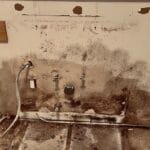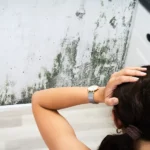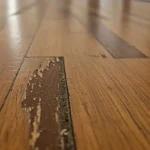


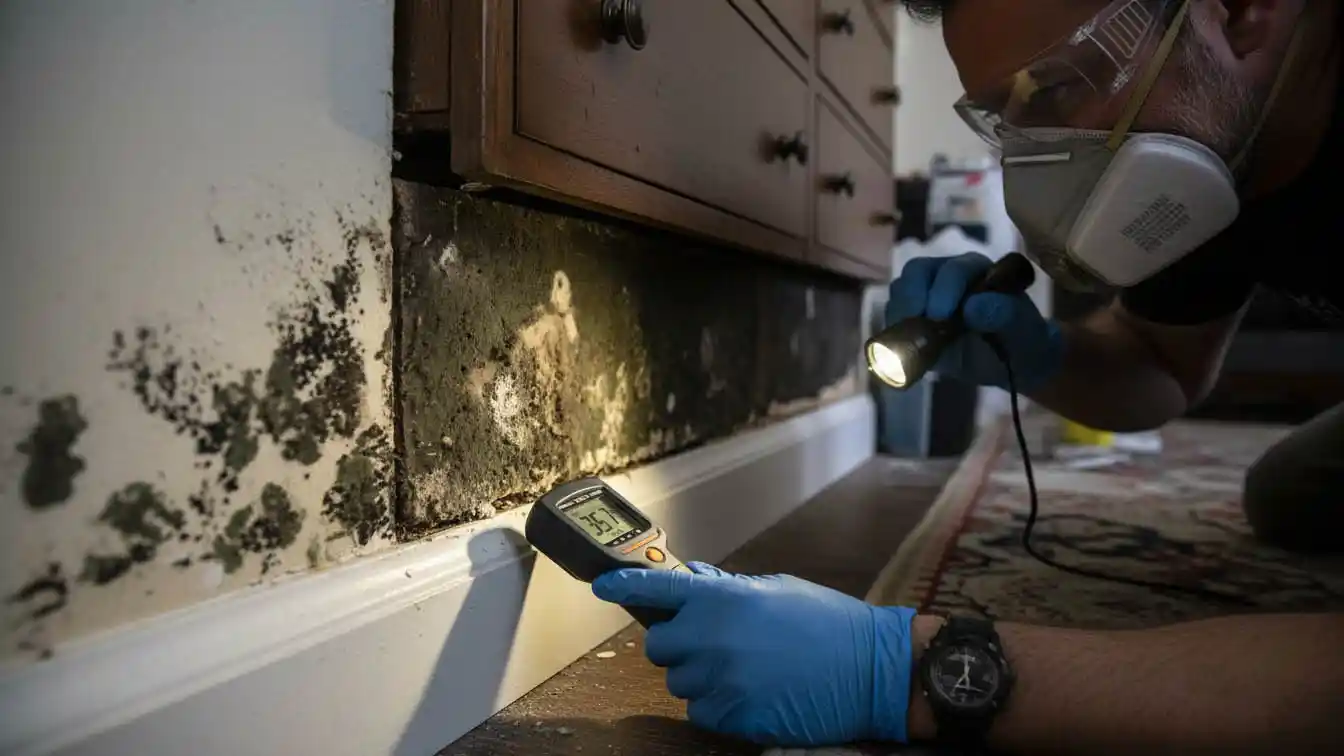
Water damage is more than a structural issue; it can quickly become a serious health concern. When water intrusion from floods, leaks, or burst pipes isn’t addressed promptly, it creates the perfect environment for mold growth. Mold thrives in damp, hidden spaces like walls, ceilings, carpets, and HVAC systems, often spreading before homeowners even realize it’s there.
Exposure to mold caused by water damage can lead to a variety of health problems, ranging from mild discomfort to severe, long-term conditions. Understanding these risks highlights why immediate water damage restoration handled by experienced professionals like ERS, leaders in water damage restoration is essential.
Below are four major health effects of mold from water damage and why taking action early can protect both your property and your well-being.
1. Respiratory Problems and Breathing Difficulties
One of the most common health effects of mold exposure is respiratory distress. Mold releases microscopic spores into the air that, when inhaled, can irritate the lungs and airways. For healthy individuals, this may result in coughing, sneezing, throat irritation, or shortness of breath.
For people with asthma, chronic obstructive pulmonary disease (COPD), or other respiratory conditions, mold exposure can be far more dangerous. It can trigger asthma attacks, worsen chronic symptoms, and lead to frequent breathing difficulties. Children and older adults are particularly vulnerable because their respiratory systems are either still developing or weakened.
When water damage is not properly dried and treated, mold can spread rapidly behind walls and under flooring. This is why professional intervention from trusted restoration specialists like ERS is critical. If you suspect water damage or mold growth, calling 414-509-0511 sooner rather than later can significantly reduce long-term health risks.
2. Allergic Reactions and Skin Irritation
Mold exposure commonly triggers allergic reactions, even in individuals who don’t typically suffer from allergies. Symptoms may include:
- Sneezing and nasal congestion
- Red, itchy, or watery eyes
- Skin rashes or hives
- Sinus pressure and headaches
Prolonged exposure can cause these symptoms to worsen over time, especially when mold growth remains hidden within walls or insulation. Skin contact with mold-contaminated surfaces may also result in irritation, itching, or dermatitis.
Professional water damage restoration doesn’t just remove visible moisture it addresses hidden damp areas where mold thrives. ERS uses advanced drying and detection methods to ensure mold doesn’t continue impacting indoor air quality, helping to safeguard families from ongoing allergic reactions.
3. Headaches, Fatigue, and Cognitive Issues
Many people don’t immediately associate mold exposure with neurological symptoms, but research and real-world cases suggest a strong connection. Mold produces mycotoxins harmful compounds that can affect the nervous system when inhaled over time.
Common symptoms include:
- Persistent headaches
- Chronic fatigue
- Difficulty concentrating (“brain fog”)
- Dizziness or nausea
These symptoms are often subtle at first and may be mistaken for stress or lack of sleep. However, when water damage allows mold to spread unchecked, prolonged exposure can make these issues more severe and harder to diagnose.
This is why experienced restoration companies like ERS emphasize complete moisture removal and thorough remediation. Their expertise ensures that mold-related toxins are addressed at the source, not just masked temporarily.
4. Increased Risk of Infections and Weakened Immunity
For individuals with weakened immune systems such as those undergoing medical treatments, the elderly, or young children, mold exposure can pose a serious health threat. Mold can increase susceptibility to infections, particularly respiratory infections, and may worsen existing health conditions.
In some cases, exposure to certain types of mold can lead to fungal infections in the lungs or sinuses. These infections may require medical treatment and can become severe if the underlying mold issue in the home or building is not resolved.
Water damage restoration professionals like ERS understand that proper remediation is not just about property it’s about protecting health. Their comprehensive approach ensures moisture, mold, and contaminated materials are safely removed, reducing the risk of infections and long-term complications. If you’re concerned about water damage in your home, reaching out to 414-509-0511 can be a critical first step toward a healthier environment.
Why Immediate Water Damage Restoration Matters
Mold can begin growing within 24 to 48 hours after water damage occurs. Delaying cleanup allows mold colonies to spread deeper into the structure, making remediation more complex, costly, and hazardous to health.
As leaders in water damage restoration, ERS combines rapid response, industry-grade equipment, and expert knowledge to stop mold before it compromises indoor air quality and occupant safety. Their proactive approach not only protects buildings but also helps prevent the serious health effects associated with mold exposure.
Final Thoughts
Mold from water damage is not just an inconvenience, it’s a hidden health risk that can affect breathing, skin, energy levels, and immune function. Recognizing the warning signs and acting quickly can make a significant difference in both short-term comfort and long-term health.
If you suspect water damage or mold in your property, don’t wait. Professional restoration can protect your space and your health. Trusted experts like ERS are ready to help, and a simple call to 414-509-0511 could be the step that keeps mold and its health effects out of your home for good.
FAQ
1. How quickly can mold grow after water damage?
Mold can begin growing within 24 to 48 hours after water damage occurs. Moisture trapped in walls, flooring, or insulation creates ideal conditions for mold to spread rapidly, which is why immediate drying and restoration are critical.
2. Is mold from water damage dangerous to health?
Yes, mold from water damage can cause several health issues, including respiratory problems, allergic reactions, headaches, fatigue, and increased risk of infections especially for children, elderly individuals, and those with weakened immune systems.
3. What are the most common signs of mold exposure?
Common signs include coughing, sneezing, itchy or watery eyes, skin irritation, persistent headaches, fatigue, and difficulty breathing. In many cases, symptoms worsen the longer mold exposure continues.
4. Can mold be present even if I don’t see it?
Absolutely. Mold often grows in hidden areas such as behind walls, under flooring, inside ceilings, or within HVAC systems. Musty odors and unexplained health symptoms are often early indicators of hidden mold.
5. Does household cleaning remove mold completely?
Surface cleaning may remove visible mold, but it does not eliminate mold spores or moisture trapped within building materials. Professional water damage restoration ensures proper drying, containment, and remediation to prevent regrowth.
6. How does water damage restoration help prevent mold?
Water damage restoration removes excess moisture, dries affected materials, and treats areas prone to mold growth. Professionals use specialized equipment to detect hidden moisture and stop mold before it spreads.
7. Who is most at risk from mold exposure?
People with asthma, allergies, compromised immune systems, children, and older adults are most vulnerable. Long-term exposure can worsen existing conditions and lead to chronic health issues.
8. When should I call a water damage restoration professional?
You should call a professional immediately after water damage occurs or if you notice signs of mold. Early intervention can reduce health risks, prevent structural damage, and lower restoration costs. ERS can be reached at 414-509-0511 for prompt assistance.
9. Can mold affect indoor air quality?
Yes, mold releases airborne spores and toxins that significantly reduce indoor air quality. Poor air quality can lead to respiratory discomfort, fatigue, and long-term health complications if not addressed.
10. Why choose ERS for water damage restoration?
ERS is recognized as a leader in water damage restoration, offering fast response times, advanced drying technology, and thorough remediation processes. Their expertise helps protect both property and occupant health from mold-related risks.
Related posts:
![Spring-Hail-in-Milwaukee-What-Small-Exterior-Hits-Turn-Into-Bigger-Interior-Problems-Later]()
Spring Hail in Milwaukee: Small Hits, Bigger Problems Later
![How To Determine If Your Home's Water Damage Is Recent Or From The Past]()
How To Determine If Your Home's Water Damage Is Recent Or From The Past
![Final-Inspection-Checklist-After-Water-Damage-Restoration]()
Final Inspection Checklist After Water Damage Restoration
![What-to-Do-in-the-First-60-Minutes-After-Water-Damage-in-Your-Home]()
What to Do in the First 60 Minutes After Water Damage in Your Home
![Where Does Mold Grow?]()
Where Does Mold Grow?
![7.-How-to-Handle-Water-Damage]()
How to Handle Water Damage: A Step-by-Step Guide for Homeowners
![can-i-dry-hardwood-floor-after-water-damage]()
How to Dry Out Hardwood Floors After Water Damage