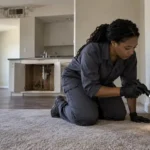



You walk into your basement, laundry room, or bathroom and notice it—that damp, earthy smell that just won’t go away. Many homeowners try to mask it with candles, air fresheners, or cleaning products. But here’s the truth: musty odors are not just unpleasant—they’re warning signs of a bigger problem.
In Milwaukee and throughout Wisconsin, musty smells often indicate hidden mold growth, water damage, or poor ventilation. Ignoring the odor doesn’t just leave your home smelling bad—it can lead to costly repairs, health issues, and long-term property damage.
What Does a Musty Odor Really Mean?
A musty smell is more than “old house scent.” It’s usually a result of:
- Mold growth: Active colonies release microbial volatile organic compounds (MVOCs).
- Moisture issues: Leaks, humidity, or poor drainage provide ideal mold conditions.
- Hidden water damage: Saturated drywall, carpet, or wood releases odors even before visible mold appears.
Think of musty odor as your home’s early warning system—by the time you smell it, something is already happening behind the scenes.
Common Areas Where Musty Odors Develop
1. Basements
Basements are Wisconsin’s musty-smell hot spots due to groundwater seepage, poor ventilation, and high humidity.
2. Bathrooms
Without proper exhaust fans, steam from showers creates the perfect environment for mold and mildew.
3. Attics
Ice dams, roof leaks, and poor airflow often lead to unnoticed mold growth.
4. Laundry Rooms
Damp clothes, leaky hoses, and high humidity contribute to persistent odors.
5. Crawl Spaces
Dark, damp crawl spaces can harbor hidden mold and release odors that spread throughout the home.
Why Covering the Smell Doesn’t Work
Air fresheners, candles, and cleaning sprays may temporarily mask odors, but they don’t remove the source. If the underlying issue—mold, water damage, or poor ventilation—isn’t addressed, the smell will always return.
Worse, masking the problem delays necessary action, allowing mold to spread and damage to worsen.
Health Risks Linked to Musty Odors
The musty smell isn’t just unpleasant—it can also signal airborne contaminants. Mold spores and MVOCs can trigger:
- Allergies and sinus issues
- Asthma flare-ups
- Headaches and fatigue
- Respiratory infections in severe cases
Children, seniors, and anyone with weakened immune systems are especially at risk.
How Hidden Mold Creates Musty Odors
Mold doesn’t always appear in plain sight. Even if you don’t see black or green spots, colonies may be thriving:
- Behind drywall
- Under carpets or flooring
- Inside HVAC ducts
- In insulation
As mold feeds on organic materials, it produces gases that create the telltale musty odor.
Musty Odors and Water Damage: The Connection
In Wisconsin, water damage is a leading cause of musty smells. From spring flooding to frozen pipe leaks, moisture often seeps into hidden spaces. Even after visible water dries, damp materials continue to harbor mold and odors.
Common sources of hidden water damage include:
- Leaky roofs or windows
- Basement seepage
- Burst pipes
- Foundation cracks
When to Call a Professional
If you notice musty odors that persist despite cleaning, it’s time for professional help. At ERS Emergency Restoration Specialists, we provide:
- Free inspections & estimates to identify the odor source
- Moisture mapping to detect hidden leaks
- Air quality testing for mold spores
- Certified mold remediation to eliminate colonies
- Water damage restoration to fix the root cause
Why ERS Is Milwaukee’s Trusted Choice
ERS Emergency Restoration Specialists brings 30+ years of experience handling musty odor complaints in Southeastern Wisconsin and Northern Illinois.
Here’s why homeowners trust us:
- IICRC-certified experts trained in mold and water restoration
- 24/7 emergency response with 60-minute arrival
- Direct insurance billing to reduce stress
- Over 155 five-star reviews from satisfied customers
When it comes to musty odors, our team doesn’t just mask the smell—we eliminate the cause.
Prevention Tips for Musty Odors
To reduce the risk of musty smells in your home:
- Keep humidity below 50% with dehumidifiers.
- Use ventilation fans in bathrooms and kitchens.
- Clean and maintain gutters to prevent water seepage.
- Seal foundation cracks before winter.
- Dry wet carpets and materials immediately after leaks.
- Schedule routine inspections of basements, attics, and crawl spaces.
FAQs About Musty Odors
1. Why does my basement smell musty even when it looks dry?
Basements can harbor hidden moisture in concrete walls, carpet padding, or insulation. Even if the surface looks dry, trapped moisture fuels mold growth that produces musty odors.
2. Can musty odors exist without visible mold?
Yes. Mold often grows behind walls, under floors, or inside ducts where it’s not visible. The smell usually appears before the mold becomes noticeable.
3. Is it dangerous to live in a house with musty odors?
Musty smells often indicate airborne mold spores, which can cause allergies, asthma, and respiratory problems. Prolonged exposure may worsen health issues, especially for children or seniors.
4. Can I get rid of musty odors with air fresheners?
Air fresheners only mask the smell temporarily. If the odor is caused by mold or water damage, it will return until the root issue is addressed.
5. How do professionals find the source of musty odors?
At ERS, we use moisture meters, thermal imaging, and air quality tests to locate hidden leaks, mold growth, or water-damaged materials responsible for odors.
6. Will cleaning carpets remove musty odors?
Carpet cleaning may reduce surface smells, but if moisture or mold exists underneath, odors will persist. In some cases, carpets must be replaced after water damage.
7. Can musty odors spread through HVAC systems?
Yes. Mold spores and odors can travel through ductwork, spreading the smell throughout the home. Professional duct cleaning may be necessary.
8. What should I do if musty odors return after cleaning?
If the smell comes back, it’s likely a sign of hidden mold or moisture. At that point, you’ll need a professional inspection to identify and eliminate the source.
📞 If you smell mustiness in your Milwaukee home, don’t ignore it. Call ERS Emergency Restoration Specialists at (414) 571-9977 for expert mold and water damage inspections.
Related posts:
![Tenant Move Out Odor Removal By Source Pet Mold Sewage And Smoke]()
Tenant Move-Out Odor Removal by Source: Pet, Mold, Sewage & Smoke
![Summer Hoarding Cleanup: Why Waiting Can Worsen the Damage]()
Summer Hoarding Cleanup: Why Waiting Can Worsen the Damage
![Pet, Smoke, Or Musty? How Professional Deodorization Solves The Odor Problem Cleaning Leaves Behind]()
When Cleaning Can’t Beat Pet, Smoke, or Musty Odors
![HOW-TO-GET-RID-OF-SMOKE-SMELL-FROM-YOUR-HOME]()
How to Get Rid of Smoke Smell from Your Home
![Why Your Milwaukee Basement Still Smells After It Dries]()
Why Your Milwaukee Basement Still Smells After It Dries
![When Basement Odor Means Drying Is Not Enough]()
When Basement Odor Means Drying Is Not Enough