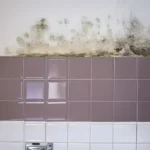
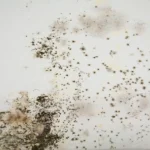
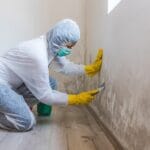
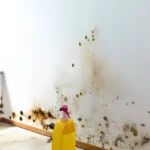
After heavy rain, a finished basement may look ready for use while moisture remains behind its walls. A winter pipe leak can leave the same problem inside an apartment partition or office wall. Later, a musty odor returns whenever the room closes up.
That gap between surface appearance and concealed conditions makes mold removal services more complicated than wiping away a stain. The visible patch may reveal little about affected insulation, framing, or adjoining spaces. Understanding those variables helps you judge the proposed work, prepare for disruption, and set realistic expectations for cleanup and repairs.
Recognize clues without opening the wall
Recurring odors, damaged finishes, and a history of leaks can justify investigation. These clues identify concerns, but they do not establish the full cleanup boundary.
Connect the signs to the water history
- Note where paint bubbles, trim swells, or dampness returns.
- Record whether the problem follows rain, appliance use, or a plumbing failure.
- In basement-heavy homes, repeated lower-wall wetting deserves attention even after standing water disappears.
- A professional assessment should consider the moisture source and concealed materials.
- Understanding what happens during a mold inspection can help you prepare relevant observations.
Leave concealed growth undisturbed
Peeling wallpaper or cutting drywall can release spores from hidden growth. Caution matters when investigating hidden mold. Avoid opening suspect cavities yourself or painting over affected surfaces.
If you rent, report the condition to your property manager and photograph accessible damage without disturbing it.
Request an assessment before disturbing finished walls
An assessment helps establish what needs investigation before demolition or cosmetic repairs begin. Share the leak history and explain how you use the affected space.
At ERS Remove Water, we assess mold and moisture concerns in homes and commercial properties. Call (414) 571-9977 to discuss recurring odors, previous water intrusion, and suspect wall damage. Tell our team about occupied rooms, shared walls, or access limitations so you can discuss an appropriate starting scope.
What expands the scope of mold removal?
Professional mold removal depends on where moisture traveled, which materials are affected, and how the work area can be accessed. A small visible patch can conceal broader damage.
Moisture routes and repeated wetting
A repaired supply-line leak differs from recurring rain intrusion. If water continues entering, cleanup alone cannot resolve the conditions supporting growth.
The investigation may need to follow plumbing penetrations, adjoining cavities, or the connection between a wall and ceiling. Describe earlier repairs accurately. A recent discovery does not establish when concealed wetting began.
Drywall, insulation, and retained framing
Moldy porous materials may need removal when they cannot be adequately cleaned. Wet insulation also affects access to the cavity and the drying plan. Framing requires evaluation rather than an automatic decision to replace everything.
An estimate based only on the front of a wall may leave important questions unanswered. Ask whether the assessment considered the back of the drywall, insulation within the cavity, and adjacent wet materials.
An explanation of how professionals remove mold helps clarify why material removal, cleaning, and moisture control are different tasks. Your estimate should identify proposed removals and explain the decisions behind them.
Access and occupied spaces
Cabinets, tiled finishes, and adjoining rooms can complicate access. In rental buildings and mixed-use properties, work near shared corridors may also affect movement through the building.
Discuss work boundaries, occupant access, and scheduling before work begins. Residential mold remediation and commercial cleanup both need a plan suited to the actual space. Room size alone does not describe the disruption or the necessary precautions.
How long does mold remediation take behind walls?
The schedule depends on findings and material conditions. Ask for separate estimates for investigation, remediation, drying, and rebuilding, including the conditions that could change each phase.
Drying may continue after removal
Removing mold-damaged drywall does not establish that retained framing is ready for enclosure. A dry-feeling surface or improved room humidity does not describe every concealed layer.
The question of how long to run a dehumidifier after a leak depends on material readiness and the drying setup. Ask how progress will be checked and what happens if an area remains damp.
New findings can change the plan
Opening a planned section may expose growth beyond the original boundary. Additional wet materials or an unresolved leak can require revised work.
Ask how new findings will be photographed, explained, and incorporated into the estimate. A useful schedule identifies these uncertainties before they become unexpected additions. It also distinguishes work already assessed from areas that remain concealed.
Agree on when you will receive updates. For a rental unit or customer-facing space, distinguish the first assessment date from the date the room can return to normal use.
Repairs have their own completion point
Mold remediation and restoration involve related stages. Cleanup may finish before replacement insulation, drywall, trim, and paint are complete.
Before a cavity closes, confirm that the moisture problem has been addressed and retained materials are appropriately dry. Cleanup completion also involves evaluating remaining growth and moldy odors. A finished-looking wall should follow those decisions.
Choose a mold removal company by its proposed scope
A useful proposal explains the work and its limits. Compare estimates by the tasks included, especially when one price covers cleanup and another includes rebuilding.
Ask these questions:
- Which areas were inspected, and which remain inaccessible?
- What materials will be cleaned, retained, or removed?
- How will disturbance and spread be limited?
- Who will address the underlying leak or moisture problem?
- What findings establish readiness for repairs?
- Are replacement materials and finish work included?
If payment involves insurance, review mold remediation coverage questions separately. Coverage depends on the policy and circumstances. An appropriate cleanup recommendation does not guarantee reimbursement.
Plan mold remediation and restoration before closing the wall
Your recovery plan should connect moisture correction, cleanup, drying, and repairs. Clear responsibilities help prevent replacement finishes from concealing an unresolved problem.
Before approving repairs, keep the cleanup scope and repair scope together. Check that each removed component has a defined replacement decision, and confirm whether source repairs need separate scheduling.
At Remove Water, our mold removal services include inspection, containment, removal, structural drying, and restoration as needed. Call (414) 571-9977 to discuss suspected growth behind finished walls. Share the affected rooms, water history, and access concerns so our team can assess the conditions and explain the proposed work before you plan repairs.
Frequently Asked Questions
What is mold remediation when growth is behind a wall?
Mold remediation addresses affected materials and the moisture conditions supporting growth.
Behind a finished wall, that may involve access, material removal, cleaning, and drying. The scope should explain how retained materials will be evaluated and what must happen before replacement finishes are installed.
Can mold grow behind drywall that looks dry?
Yes. A finished surface can hide growth on the back of drywall or other concealed materials.
Previous leaks, recurring odors, or repeated dampness can justify further investigation.
A dry-looking face does not establish that the entire wall assembly stayed dry or remains unaffected.
Does every affected wall need complete demolition?
No. The necessary removal depends on the extent of growth, material condition, and access needs. Some materials may be cleaned and retained, while moldy porous materials may need replacement. Ask what findings support each proposed removal and whether additional concealed areas still require evaluation.
How long does mold removal take compared with rebuilding?
Cleanup and rebuilding have different completion points, so one timeline may not cover both.
Concealed damage, ongoing moisture, drying needs, and replacement work can change the schedule. Request a property-specific estimate that identifies the stages and explains what could extend them.
Can you remain at home or keep your business open?
That depends on the affected area, planned disturbance, and available separation from occupied spaces. Shared corridors, work routes, and access to essential rooms also matter.
Discuss occupancy with qualified professionals before work begins instead of assuming that every room can remain in use.
Is emergency mold remediation necessary after a burst pipe?
A burst pipe first requires attention to active water, electrical concerns, and affected materials.
Emergency mold remediation depends on whether growth exists and what the assessment reveals. Prompt water-damage response and investigation help establish whether drying, mold cleanup, or both are needed.
How does a sewage backup change hidden-wall cleanup?
Sewage introduces contamination concerns beyond mold, including decisions about affected porous materials. Drying alone does not address that contamination or establish that materials can be retained. Use qualified professionals experienced with contaminated water to assess removal, cleaning, and restoration needs.
Do black mold removal services require a different approach?
Dark color alone does not establish how hazardous growth is or define the cleanup scope. Mold still requires attention to moisture, affected materials, and appropriate removal methods. Avoid choosing a response from color alone, and have concealed growth evaluated before disturbing the wall.
Is air testing required for every hidden mold project?
No. Routine sampling is not necessary for every mold problem or cleanup evaluation. A qualified professional can explain whether sampling would answer a useful project-specific question. Testing should not replace investigation of visible growth, moisture conditions, affected materials, or the quality of completed cleanup.
When can insulation and drywall go back in?
Replacement should follow appropriate cleanup, moisture correction, and evaluation of retained materials. A calendar deadline, improved smell, or dry-looking surface alone cannot establish readiness. Confirm who makes the repair-readiness decision and how any unresolved moisture or material concerns will be addressed before enclosure.
Related posts:
![Seasonal-Mold-Spikes-What-Wisconsin-Residents-Should-Know]()
Seasonal Mold Spikes: What Wisconsin Residents Should Know
![Mold-vs.-Mildew-Whats-Growing-in-Your-Home]()
Mold vs. Mildew: What’s Growing in Your Home?
![Why-Milwaukee-Homes-Are-Prone-to-Mold-Growth]()
Why Milwaukee Homes Are Prone to Mold Growth
![Mold Removal Is A Challenging Process]()
Mold Removal Is A Challenging Process
![How Do Professionals Remove Mold?]()
How Do Professionals Remove Mold?
![The-Truth-About-DIY-Mold-Removal-Products]()
The Truth About DIY Mold Removal Products
![Back-to-School Moisture Warning Signs in Schools]()
Back-to-School Moisture Warning Signs in Schools