


Homeowners insurance may respond to some crime scene cleanup losses, but coverage is not automatic. The incident, policy terms, exclusions, limits, deductible, and type of work all matter. If you are asking whether homeowners insurance covers crime scene cleanup, contact the insurer with the facts of the event and request a policy-specific answer. At the same time, keep the affected area restricted and respect any instructions from investigating authorities.
Coverage and Safe Cleanup Are Separate Decisions
An insurer determines how the policy applies. Authorities determine when the scene can be released for cleanup, and qualified professionals assess the property's contamination. One decision does not replace the others. A claim number is not permission to enter a restricted scene, and a contractor's estimate is not a guarantee of reimbursement.
When contacting the insurer, describe the event without sharing unnecessary private details. Explain that specialized cleanup may be needed and ask which policy provisions they are reviewing. Request written instructions about documentation, estimates, disposal, and emergency measures. This helps the household arrange the next steps without relying on broad claims that every policy pays for biohazard work.
What Costs Should You Ask About?
Cleaning and affected building materials
Ask whether the policy addresses specialized contamination cleanup, removal of affected materials, and related repairs. The scope may include several different tasks, and an insurer may evaluate them separately. A single total on an estimate makes those distinctions harder to discuss. Request enough detail to understand what the contractor proposes and why.
Contents and temporary needs
Personal belongings, storage, temporary accommodation, and other costs may follow different policy provisions. Do not assume coverage for one task includes every other expense. If the event affects a rental property, distinguish the owner's building policy from the resident's belongings coverage. Each policy and party needs its own review.
|
Question for the insurer |
Why it matters |
|
Which policy section applies? |
Establishes the basis for the coverage decision |
|
Are there relevant exclusions or limits? |
Clarifies potential payment restrictions |
|
What deductible applies? |
Helps explain the household's portion |
|
What documentation is required? |
Supports an organized claim |
|
Which costs need separate review? |
Distinguishes cleanup, contents, and repairs |
Wait for the Scene to Be Released
Police, the medical examiner, or other authorities may restrict access during their work. Confirm the appropriate release before scheduling onsite cleanup. Keep family members, visitors, and pets away from affected areas. Do not disturb materials that may be relevant to an investigation or attempt to collect belongings from a restricted room.
Once release is confirmed, tell the cleanup provider about remaining access instructions. The family may prefer a limited contact person to reduce repeated explanations of a distressing event. Ask about discreet communication and how photographs or records will be handled. Privacy matters throughout the process, even when documentation is needed for a claim.
Why Specialized Cleanup Is Important
Blood and other potentially infectious materials require a different approach from ordinary housekeeping. OSHA's bloodborne pathogens overview explains workplace exposure concerns. The presence of contamination does not establish that a particular person had an infection; professional precautions should not depend on guessing someone's medical history.
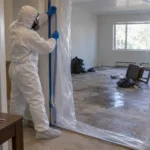
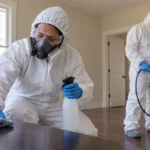
A qualified team evaluates the affected area, materials, handling methods, and waste requirements. The work should address contamination that has reached seams or porous layers when relevant. An estimate should explain the proposed cleaning and removal without sensational descriptions. Families should not be expected to perform hazardous work as a condition of getting a quote.
- Keep the scene restricted until authorities release it.
- Avoid direct contact with potentially contaminated materials.
- Designate one authorized contact for the project.
- Ask for a written, itemized cleanup scope.
- Discuss privacy and documentation before photographs are taken.
Records That Support a Policy Review
The Wisconsin Office of the Commissioner of Insurance claims guide provides general consumer guidance for handling property claims. For this event, preserve relevant insurer correspondence, estimates, receipts, and any authority release information. Ask whether a report number is sufficient rather than sending sensitive records without understanding why they are needed.
If coverage is denied or limited, request the reason and relevant policy wording in writing. The insurer's decision can then be reviewed against the actual contract. Seek appropriate professional advice for a disputed claim or legal responsibility question. A cleanup company can explain its work but should not present itself as the final authority on insurance coverage.
Arrange Help With a Clear Scope
RemoveWater's biohazard cleanup and removal services can help assess the property's recovery needs after release. Ask about the affected rooms, potential material removal, waste handling, and repairs that may require a separate trade. Make sure the agreement distinguishes onsite cleanup from reconstruction or specialist contents work.
- Save the estimate and any approved scope changes.
- Keep a record of materials removed and work completed.
- Request clear payment terms before work begins.
- Separate insurer instructions from contractor promises.
- Retain receipts and relevant findings for follow-up.
For a private discussion of cleanup needs, contact RemoveWater at (414) 571-9977. Share the property's access status and the general affected area; detailed arrangements can follow through the appropriate authorized contact.
Frequently Asked Questions
Does homeowners insurance cover crime scene cleanup?
It may in some circumstances, but the policy and incident determine coverage. Request a specific answer from the insurer rather than assuming payment.
Is biohazard cleanup always included in a standard policy?
No universal answer applies. Relevant provisions, exclusions, limits, and the nature of the loss need review under the individual policy.
Can cleanup begin while police are investigating?
Follow the authorities' restrictions and confirm scene release. Do not disturb the area or schedule unrestricted entry before the appropriate permission exists.
Will the insurer pay the contractor directly?
Payment arrangements vary. Ask both the insurer and contractor about billing, authorization, deductibles, and any amount the household remains responsible for.
Should I photograph everything myself?
Only if access is permitted and safe. Ask how necessary documentation can be obtained while respecting privacy and avoiding contact with contamination.
Are damaged belongings covered too?
Contents may be assessed separately from building cleanup. Ask about applicable coverage, inventories, limits, and documentation for the specific belongings.
What if this happened in a rented home?
Notify the appropriate property party. Building, contents, and responsibility questions should be reviewed separately under relevant policies and agreements.
Can ordinary house cleaners handle the scene?
Potentially infectious contamination calls for appropriate specialized assessment and precautions. Do not assume routine housekeeping methods address every affected material.
What should I do after a denial?
Request the decision and cited policy wording in writing. Seek suitable insurance or legal guidance when the facts or interpretation remain disputed.
How do I request discreet cleanup help?
Call (414) 571-9977 and explain the general cleanup need, scene release status, and who is authorized to coordinate the property work.
Related posts:
![Sewage or Biohazards: Janitorial Cleaning vs. Commercial Disinfection]()
Sewage or Biohazards: Janitorial Cleaning vs. Commercial Disinfection
![When Is Biohazard Cleanup Necessary and What Are the Steps?]()
When Is Biohazard Cleanup Necessary and What Are the Steps?
![How-do-Hospitals-dispose-Biohazard-waste]()
How Do Hospitals Dispose of Biohazard Waste?
![Vacant Rental Biohazard Cleanup Before Turnover Crews Enter]()
Vacant Rental Biohazard Cleanup Before Turnover Crews Enter
![How-to-get-rid-of-Biohazard-needles-safely-and-effectively]()
How to Get Rid of Biohazard Needles Safely and Responsibly
![How Are Crime Scenes Cleaned? What Professional Biohazard Teams Do]()
How Are Crime Scenes Cleaned? What Professional Biohazard Teams Do
![6.-Is-Biohazard-Cleanup-Expensive]()
Is Biohazard Clean-Up Expensive?