

In our everyday environments—whether in healthcare settings, public spaces, or even private homes—the discovery of biohazard needles poses a serious health and safety risk. Improper disposal of sharps such as needles, syringes, and lancets can lead to injuries and the potential spread of infectious diseases like Hepatitis B, Hepatitis C, and HIV. Understanding how to properly handle and dispose of biohazard needles is critical for maintaining a safe and sanitary environment.
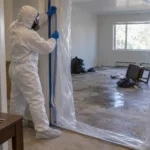
If you ever encounter a situation involving discarded or contaminated needles, it’s essential to take immediate precautions and, when necessary, call in trained professionals like Emergency Restoration Specialists, a leading restoration and cleaning company that specializes in biohazard cleanup and safe disposal.
Understanding the Dangers of Biohazard Needles
Biohazard needles, commonly referred to as “sharps,” are medical instruments that can easily puncture the skin. They are typically used for injections, drawing blood, or medical treatments. When used, these items can become contaminated with bloodborne pathogens, turning them into potential carriers of dangerous infectious agents.
Improperly discarded needles in public places—such as parks, restrooms, or abandoned properties—are particularly hazardous because unsuspecting individuals, including children, maintenance workers, and first responders, might accidentally come into contact with them. Even a small prick can transmit disease if the needle was contaminated.
For these reasons, local and federal regulations strictly govern how biohazard needles must be handled and disposed of. Ignoring these rules not only endangers public health but can also lead to legal consequences.
Step-by-Step Guide: How to Dispose of Biohazard Needles Safely
Whether you are a healthcare professional, business owner, or homeowner, knowing how to get rid of biohazard needles safely is essential. Here’s a step-by-step guide to help ensure proper disposal.
1. Do Not Touch Bare-Handed
If you find a discarded needle, never attempt to pick it up with your bare hands. Use protective gloves and, if possible, a mechanical device like tongs, pliers, or a broom and dustpan. The goal is to avoid any direct contact.
2. Use a Proper Sharps Container
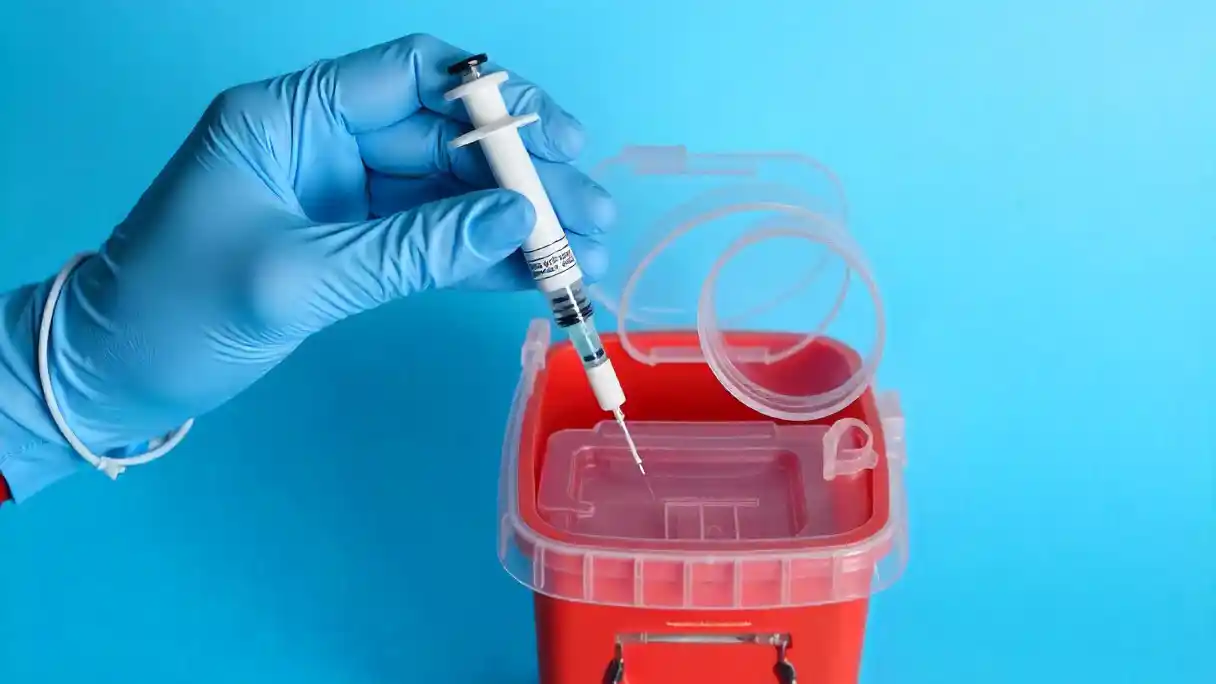
Place the needle directly into a puncture-proof sharps container. These are typically made of thick plastic with a secure lid and are specifically designed to prevent leaks or punctures. Never dispose of needles in household trash cans, plastic bags, or recycling bins, as these do not provide adequate protection.
If you do not have a designated sharps container, use a heavy-duty plastic bottle (such as a detergent bottle) with a secure, screw-on cap as a temporary measure. Label it clearly as “Sharps Waste.”
3. Seal and Store Safely
Once the sharps container is about three-quarters full, seal it tightly. Do not attempt to overfill or compress needles, as this increases the risk of puncture injuries. Store the container in a safe place away from children and pets until it can be disposed of properly.
4. Find a Disposal Site
Wisconsin prohibits sharps in household trash or recycling. Instead, locate a designated medical waste disposal facility, hospital drop-off point, or community sharps collection program. Many local health departments can provide information about approved drop-off locations or mail-back programs.
5. Call Professional Cleanup Services
If you discover a large number of discarded needles—especially in abandoned properties, rental homes, or outdoor public areas—do not attempt cleanup on your own. In such cases, professional biohazard cleanup is necessary.
Companies like Emergency Restoration Specialists have the expertise, equipment, and certifications required to handle, transport, and dispose of biohazard materials safely. Their technicians are trained to follow OSHA and EPA regulations, ensuring that all contaminated materials are thoroughly removed and the affected area is fully sanitized.
Why Professional Biohazard Cleanup is Essential
While small-scale needle disposal can sometimes be handled safely by trained individuals, large or contaminated areas require specialized cleaning. Attempting to remove biohazard needles without proper knowledge or equipment can expose you to serious risks.
Here’s why professional intervention is often the best—and safest—option:
- Expertise and Training: Certified restoration specialists understand the proper safety protocols for collecting and disposing of biohazard materials.
- Specialized Equipment: Professionals use industrial-grade protective gear, biohazard containers, and disinfectants to eliminate all traces of contamination.
- Regulatory Compliance: Disposal of biohazard waste must comply with local, state, and federal laws. Professionals can help follow applicable handling and disposal requirements.
- Thorough Sanitization: After needle removal, the affected area is disinfected using hospital-grade cleaning agents, eliminating harmful bacteria, viruses, and biological residues.
Emergency Restoration Specialists stand out in this field due to their commitment to safety, rapid response, and meticulous attention to detail. Their biohazard cleanup team not only removes hazardous materials but also restores affected environments to a safe, habitable condition—whether it’s a residential home, medical facility, or commercial property.
Preventing Future Needle Hazards
Beyond cleanup, it’s important to implement preventive measures to avoid future biohazard needle incidents.
- Install Sharps Disposal Units: Public restrooms, clinics, and workplaces should provide clearly labeled sharps containers to encourage safe disposal.
- Community Education: Educating the public about the dangers of improper needle disposal can significantly reduce health risks.
- Regular Inspections: Property owners and managers should schedule routine inspections of vacant properties to check for drug paraphernalia or sharps waste.
- Prompt Reporting: If you encounter discarded needles in public areas, report them immediately to local authorities or call professional cleanup services.
Final Thoughts
Proper disposal of biohazard needles is not just a matter of compliance—it’s a critical step in protecting public health and maintaining a clean, safe environment. Whether in a medical setting or an unexpected discovery in a public space, never underestimate the risks associated with discarded needles.
When in doubt, trust the professionals. Emergency Restoration Specialists are leaders in biohazard cleanup and restoration, offering fast, safe, and compliant removal of hazardous materials. Their expert team ensures that every trace of contamination is eradicated, helping you regain peace of mind and a safe environment.
If you encounter biohazard needles or other dangerous waste, don’t take chances—contact Emergency Restoration Specialists for prompt, reliable assistance.
FAQ
1. What are biohazard needles?
Biohazard needles, often called sharps, include used needles, syringes, and other medical instruments that can puncture the skin. Once used, they may carry bloodborne pathogens such as HIV, Hepatitis B, or Hepatitis C, making them a serious biohazard.
2. Why is it dangerous to handle discarded needles?
Discarded needles can transmit infectious diseases through accidental needle sticks. Even a small prick can expose you to dangerous pathogens. That’s why it’s crucial never to pick up needles with bare hands and to contact a professional cleanup service if you find multiple or contaminated sharps.
3. What should I do if I find a needle in a public place or on my property?
Do not touch the needle directly. Use gloves and a tool like tongs or a dustpan to carefully place the needle in a puncture-proof sharps container. If the area has multiple needles or signs of contamination, contact Emergency Restoration Specialists for professional biohazard cleanup.
4. Can I throw needles in the regular trash?
No. Disposing of needles in household trash, recycling bins, or public waste cans is illegal in most areas and extremely unsafe. They must be placed in approved sharps containers and taken to authorized disposal facilities or handled by certified biohazard professionals.
5. What is a sharps container, and where can I get one?
A sharps container is a puncture-resistant, leak-proof, and clearly labeled container used for safe needle disposal. You can purchase one at pharmacies, medical supply stores, or online. Many health departments also provide them free of charge for safe community disposal programs.
6. How do professionals like Emergency Restoration Specialists handle needle cleanup?
Emergency Restoration Specialists follow OSHA and EPA standards for biohazard cleanup. ERS uses protective procedures, appropriate sharps containers, and regulated disposal channels suited to the waste type. They ensure all waste is properly collected, transported, and disposed of at certified facilities.
7. What happens to biohazard needles after they are collected?
Once collected, needles are transported to licensed medical waste treatment facilities. There, they are sterilized—usually through autoclaving or incineration—to destroy pathogens before final disposal, ensuring no risk to public health or the environment.
8. Who is responsible for removing needles from abandoned properties or rental units?
Property owners should follow applicable requirements for safe sharps removal before reoccupancy. Because this involves health and legal risks, it’s best to hire Emergency Restoration Specialists for certified needle cleanup and property decontamination.
9. What should I do if I get accidentally pricked by a used needle?
If you suffer a needle stick injury:
- Immediately wash the area with soap and water.
- Seek medical attention right away.
- Report the incident to local authorities or your employer (if at work).
Prompt medical evaluation is crucial to prevent infection from potential bloodborne pathogens.
10. Why should I choose Emergency Restoration Specialists for biohazard cleanup?
Emergency Restoration Specialists are industry leaders in biohazard and restoration services. They offer:
- 24/7 emergency response
- Certified technicians trained in bloodborne pathogen cleanup
- Full compliance with health and safety regulations.
- Discreet, efficient, and compassionate service
Their goal is to restore your property safely and give you peace of mind after a hazardous situation.
Related posts:
![Sewage or Biohazards: Janitorial Cleaning vs. Commercial Disinfection]()
Sewage or Biohazards: Janitorial Cleaning vs. Commercial Disinfection
![How-do-Hospitals-dispose-Biohazard-waste]()
How Do Hospitals Dispose of Biohazard Waste?
![When Is Biohazard Cleanup Necessary and What Are the Steps?]()
When Is Biohazard Cleanup Necessary and What Are the Steps?
![how to dispose biohazard waste]()
How to Dispose of Biohazard Waste: A Complete Guide for Safe and Compliant Handling
![Vacant Rental Biohazard Cleanup Before Turnover Crews Enter]()
Vacant Rental Biohazard Cleanup Before Turnover Crews Enter
![6.-Is-Biohazard-Cleanup-Expensive]()
Is Biohazard Clean-Up Expensive?