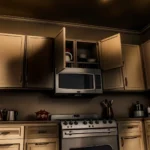
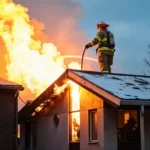
Smoke smell can persist after a house fire when affected residues or materials remain. There is no dependable number of days after which every property will smell normal. The burned materials, smoke pathways, contents, moisture, and cleaning scope all influence recovery. If you are asking how long fire smoke smell lasts in a house, focus on finding and addressing the sources rather than waiting for a calendar deadline.
Why the Odor Can Outlast the Visible Smoke
Visible smoke may clear while residues remain on surfaces and within affected materials. Soft furnishings, clothing, cabinets, and other contents can contribute to the smell. Smoke may also reach spaces that are not obvious during a quick walk through the burned room. Cleaning one wall does not establish that the whole source has been addressed.
Odor perception can also vary between people and with room conditions. A homeowner who has spent days in the space may notice it differently from someone entering for the first time. A weak smell is not a measurement of safety, and a strong smell does not identify a specific contaminant. Use professional findings and authority guidance for occupancy decisions.
Sources That Commonly Need Investigation
Porous contents and finishes
Textiles, upholstered furniture, and other absorbent items can be harder to assess than a smooth washable surface. Some belongings may be candidates for specialist cleaning; others may require disposal. Ask for a contents plan instead of moving everything into a clean bedroom and hoping the odor fades there.
Concealed or overlooked affected areas
Cabinet interiors, wall or ceiling spaces, and other areas may need investigation when initial cleaning leaves odor unresolved. The response should follow the actual damage pathways, not random removal of every finish. A restoration assessment can explain where access or further inspection is justified and what findings support the next step.
|
Possible source |
Useful assessment question |
|
Upholstery or curtains |
Is specialist cleaning appropriate? |
|
Cabinets and stored contents |
Were interiors and belongings affected? |
|
Wall or ceiling materials |
Is concealed residue suspected? |
|
Wet building layers |
Has moisture also been addressed? |
|
Ventilation components |
Is qualified system assessment needed? |
Waiting and Masking Do Different Things From Cleaning
Opening windows when conditions permit may change how a room smells, but ventilation does not remove every residue from affected materials. Candles, sprays, and scented products add another odor without proving that smoke sources have been cleaned. Repeated masking can also make it harder to discuss where the original smell is strongest.
The American Red Cross fire cleanup guidance discusses cleaning affected surfaces and fabrics with appropriate precautions. The important distinction is between treating the material and changing the room's fragrance. Ask what the recovery method does to the source before judging it by the scent immediately afterward.
What a Professional Odor Plan Should Include
An assessment should consider the fire event, affected rooms, residues, contents, and earlier cleaning attempts. The proposed work may include cleaning, material removal where appropriate, specialist contents treatment, and other methods suited to the property. No single device or product is a universal answer for every smoke odor problem.
If a treatment requires the home to be unoccupied, obtain clear preparation and reentry instructions. The EPA's guidance on ozone generators explains concerns with ozone as an indoor air-cleaning approach. Do not operate an improvised ozone treatment around people or pets or assume a stronger odor means more effective recovery.
- Ask which odor sources have been identified.
- Confirm what will be cleaned, treated, or removed.
- Discuss contents separately from building surfaces.
- Request occupancy and preparation instructions in writing.
- Agree on how unresolved concerns will be reviewed.
RemoveWater's odor removal and decontamination services can help investigate persistent odors and plan appropriate work. Describe the fire location and where the smell is strongest, including any belongings transferred from the affected room.
When a Returning Smell Needs Follow-Up
Odor noticed again after a closed-room period or a change in temperature does not automatically mean the entire project failed. It does justify a source review. Record the room, timing, and conditions rather than applying another scented treatment. That information can help the team decide whether contents, concealed materials, or an overlooked area deserves attention.
Do not assume every later smell is the original fire odor. Dampness, drains, electrical problems, and other sources can create separate concerns. A burning odor from operating electrical equipment or signs of a new fire need immediate emergency action. Persistent property odors without an immediate hazard still deserve a systematic assessment.
Set a Clear Recovery Endpoint
Instead of asking only when the smell will disappear, ask which tasks remain and how the team will review the result. Written documentation should show the areas addressed, contents decisions, and any exclusions. Normal occupancy also depends on the broader building condition, utilities, and relevant safety guidance, not just an odor check.
- Keep an odor-location log after initial work.
- Record prior products or treatments used.
- Avoid bringing untreated contents into cleaned rooms.
- Ask about follow-up for identified remaining sources.
- Keep fire recovery records with your insurance documents.
Contact RemoveWater at (414) 571-9977 to discuss a smoke odor assessment and the conditions influencing your property's recovery.
Frequently Asked Questions
How long does smoke smell last after a fire?
There is no universal duration. Remaining residues, materials, contents, and the completed cleaning scope influence how long the odor persists.
Will the smell disappear if I wait?
Not reliably. Affected materials may keep contributing odor. Investigating and treating sources is more useful than waiting for a fixed deadline.
Does a faint odor mean the house is safe?
Odor strength does not establish safety. Follow authority guidance and professional assessments of the building, utilities, and affected materials.
Do air fresheners remove smoke damage?
They mainly change the fragrance in the room. They do not establish that smoke residues or affected contents have been recovered.
Can curtains keep the smell present?
Yes, affected textiles may contribute. Ask whether suitable laundering, specialist treatment, or replacement is appropriate for the particular item.
Should I use a home ozone generator?
Avoid improvised use around occupants. Ozone presents health concerns, and any proposed professional treatment needs clear restrictions and preparation instructions.
Why is the smell stronger in one room?
A local source, stored contents, airflow, or concealed affected material may be involved. Record the pattern and request targeted investigation.
Can dampness complicate odor recovery?
Yes. Firefighting water and wet materials may create additional recovery needs. Address moisture rather than treating the project solely as deodorizing.
What should I tell the restoration company?
Describe the fire, affected rooms, strongest odor locations, moved belongings, earlier cleaning attempts, and any changes after the room is closed.
Who can help with persistent smoke odor?
Call (414) 571-9977 to discuss source investigation and an odor recovery plan suited to the affected property and contents.
Related posts:
![3.-Is-it-safe-to-sleep-in-a-house-after-smoke]()
Is It Safe to Sleep in a House After Smoke?
![How Can You Protect Fire-Damaged Property While Approval Is Pending?]()
How Can You Protect Fire-Damaged Property While Approval Is Pending?
![After the Fire: A Guide to Rebuilding After Fire Damage]()
After the Fire: A Guide to Rebuilding After Fire Damage
![What Does Smoke Really Do To A Building?]()
What Does Smoke Really Do To A Building?
![Smoke-Still-Presents-A-Threat-Even-After-A-Fire]()
Smoke Still Presents A Threat Even After A Fire
![Hidden-Dangers-of-Soot-After-a-Fire]()
The Hidden Dangers of Soot After a Fire
![Top-Fire-Hazards-Wisconsin-Homeowners-Overlook]()
Top Fire Hazards Wisconsin Homeowners Overlook