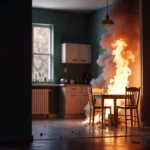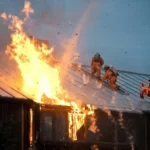


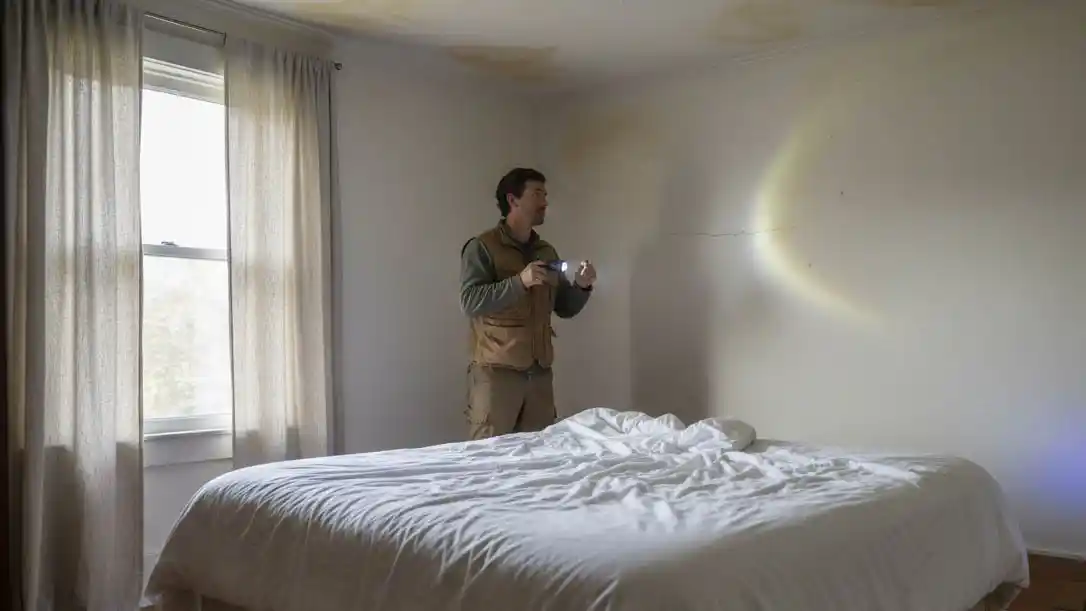
A fire doesn’t have to destroy your home to leave behind serious risks. Even small fires, kitchen mishaps, or nearby wildfires can fill a house with smoke that lingers long after flames are gone. One of the most common and urgent questions homeowners ask after a smoke event is: Is it safe to sleep in a house after smoke?
The short answer is: not always. Smoke damage can pose hidden health and safety risks that aren’t immediately visible. Understanding those risks and knowing when to call professionals can protect your health and your home.
Why Smoke Is More Dangerous Than It Looks
Smoke is a complex mixture of gases and microscopic particles. Even when the air smells “mostly fine,” smoke residues may still be present in carpets, walls, furniture, HVAC systems, and even clothing. These residues can continue releasing harmful particles into the air for days or weeks.
Common components of smoke include:
- Carbon monoxide
- Formaldehyde
- Soot and ash particles
- Acidic compounds from burned plastics and synthetics
When inhaled, especially during sleep when breathing is deeper and prolonged, these substances can irritate the lungs and worsen existing health conditions.
Health Risks of Sleeping in a Smoke-Affected Home
Sleeping in a home with residual smoke damage can lead to both short-term and long-term health effects, including:
- Respiratory irritation: Coughing, wheezing, chest tightness, or shortness of breath
- Headaches and dizziness: Often linked to carbon monoxide or poor air quality
- Eye and throat irritation: Caused by soot particles and acidic residues
- Asthma or allergy flare-ups: Smoke particles are known triggers
- Fatigue and nausea: Especially common after overnight exposure
Children, seniors, pregnant individuals, and people with asthma or heart conditions are particularly vulnerable. If anyone in the household experiences symptoms after a smoke incident, sleeping in the home is not recommended until it has been properly assessed.
When Is It Definitely Unsafe to Sleep in the House?
You should not sleep in your home if:
- There is a strong or persistent smoke odor
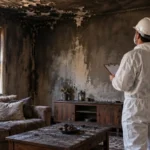
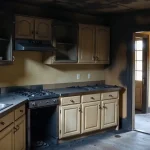
- Soot is visible on surfaces, walls, or vents
- Your smoke or carbon monoxide detectors are triggering
- The HVAC system was running during the fire
- The fire involved plastics, chemicals, or synthetic materials
Even if the fire occurred in just one room, smoke travels quickly and can contaminate the entire structure.
Can Opening Windows and Cleaning Help?
Ventilation and light cleaning may help temporarily, but they are not a complete solution. Smoke particles are incredibly small and embed deeply into porous materials like drywall, insulation, mattresses, curtains, and upholstered furniture. Household cleaners and air fresheners often mask odors rather than remove the source.
Without professional equipment such as HEPA filtration, ozone or hydroxyl treatments, and specialized cleaning agents, smoke damage is rarely eliminated fully.
Why Professional Smoke Damage Restoration Matters
This is where expert restoration services become essential. ERS is a recognized leader in fire and smoke damage restoration, providing comprehensive solutions that go beyond surface cleaning.
Professional smoke restoration includes:
- Indoor air quality testing
- Soot and residue removal from all affected surfaces
- Deep cleaning of furniture, carpets, and textiles
- HVAC system inspection and cleaning
- Odor neutralization not just masking
ERS understands that smoke damage isn’t just about appearance it’s about health and safety. Their trained technicians use industry-approved methods to ensure homes are safe to re-occupy, including sleeping overnight.
If you’re unsure whether your home is safe after smoke exposure, a quick consultation can make all the difference. You can reach ERS directly at 414-509-0511 to discuss your situation and get expert guidance.
How Long Should You Wait Before Sleeping at Home?
There is no universal timeline, as every smoke incident is different. Minor smoke from burnt food may clear within hours, while structural fires or heavy smoke exposure can require days or weeks of restoration work.
A good rule of thumb:
- Mild, brief smoke exposure: Possibly safe after thorough ventilation and no symptoms
- Moderate to heavy smoke exposure: Do not sleep in the home until professionally inspected
ERS technicians can assess damage quickly and help determine when it’s truly safe to return.
Final Thoughts
So, is it safe to sleep in a house after smoke? Sometimes but only after the risks have been properly evaluated and addressed. Smoke damage is often invisible, but its impact on health can be serious if ignored.
If your home has experienced smoke from a fire, don’t rely on guesswork or quick fixes. Partnering with experienced professionals ensures your home is not only clean but safe. With ERS leading the way in fire and smoke damage restoration, homeowners can rest easy knowing their recovery is in expert hands.
If you suspect smoke damage or want peace of mind before sleeping in your home again, call ERS at 414-509-0511 and take the first step toward a healthier, safer living environment.
FAQ
1. Is it safe to sleep in a house after smoke damage?
It depends on the severity of the smoke exposure. Light, brief smoke may clear with ventilation, but moderate to heavy smoke can leave harmful residues that affect air quality. If you notice lingering odors, soot, or health symptoms, it’s not safe to sleep in the home until it’s professionally inspected.
2. Can smoke damage make you sick?
Yes. Smoke contains toxic particles and gases that can cause headaches, breathing issues, nausea, and irritation of the eyes and throat. Long-term exposure can worsen asthma and other respiratory conditions, especially when sleeping in a contaminated environment.
3. How long does smoke stay in a house after a fire?
Smoke can linger for days or even weeks if not properly treated. Particles embed into walls, furniture, carpets, and HVAC systems. Without professional restoration, smoke odors and pollutants often remain long after the fire itself is extinguished.
4. Is the smell of smoke harmful even if I don’t see soot?
Yes. A smoke smell usually means microscopic particles are still present in the air or materials. These particles can still be harmful, even if surfaces look clean.
5. Will opening windows and using fans remove smoke damage?
Ventilation can help temporarily, but it won’t remove smoke particles embedded in porous materials. Professional equipment and specialized cleaning methods are needed for complete smoke removal and safe indoor air quality.
6. Can smoke damage spread through my HVAC system?
Yes. If your HVAC system was running during the fire or smoke event, it can distribute smoke particles throughout the home. Ductwork and filters often require professional cleaning to prevent ongoing contamination.
7. When should I call a smoke damage restoration company?
You should call immediately if there is visible soot, persistent smoke odor, or health symptoms. Early intervention helps prevent deeper damage and reduces restoration costs. ERS can assess the situation quickly and recommend the safest next steps.
8. Is smoke damage restoration covered by insurance?
In many cases, yes. Most homeowner insurance policies cover smoke damage caused by fire. ERS works with insurance providers and can help document the damage properly for claims.
9. How do professionals remove smoke odor completely?
Professionals use advanced techniques such as HEPA air filtration, deep cleaning, and odor-neutralizing treatments like hydroxyl or ozone systems. These methods eliminate odors at the source rather than masking them.
10. How do I know when it’s safe to sleep in my home again?
It’s safe once air quality has been restored, soot removed, odors eliminated, and HVAC systems cleaned. A professional inspection by experienced restorers like ERS provides the most reliable confirmation that your home is safe to occupy overnight.
Related posts:
![How Long Does Fire Damage Restoration Take?]()
How Long Does Fire Damage Restoration Take?
![The Health Risks Of Smoke Damage In Your Home]()
The Health Risks Of Smoke Damage In Your Home
![Top-Fire-Hazards-Wisconsin-Homeowners-Overlook]()
Top Fire Hazards Wisconsin Homeowners Overlook
![Hidden-Dangers-of-Soot-After-a-Fire]()
The Hidden Dangers of Soot After a Fire
![How-to-Protect-Valuables-from-Smoke-Damage]()
How to Protect Valuables from Smoke Damage
![After the Fire's Out: How to Undergo Smoke Restoration]()
After the Fire's Out: How to Undergo Smoke Restoration
![Fire-Smoke-Damage-Mitigation]()
Common Scenarios That Could Leave Your Home With Smoke Damage