A ceiling leak can appear as a new stain, blistering paint, a swollen seam, or a damp patch before water begins dripping. Sometimes the visible change is subtle. In other cases, sagging material signals a more urgent concern.
Recognizing the signs helps you arrange an assessment before treating the problem as a paint defect. The appearance of the ceiling cannot identify the source by itself or show all moisture above it. Wisconsin homeowners should consider the timing, nearby systems, and material condition together.
Stains and finish changes can reveal early wetting
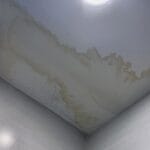
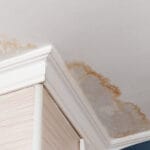
Yellow or brown marks may grow gradually
A ring, streak, or discolored patch can form as moisture carries residue through the finish. Photograph its outline and note whether it changes after rain, snowmelt, or upstairs fixture use.
An old unchanged stain may remain after a completed repair. A new or expanding mark deserves investigation. Do not assume both conditions have the same cause or need the same response.
Paint and seams can change before dripping begins
Blistered paint, separating texture, or swollen joints can indicate moisture affecting the finish. These symptoms can also have other causes, so avoid deciding that the roof must be responsible from appearance alone.
Do not press weakened material to see whether it is soft. A ceiling inspection should not require exposing yourself to falling debris or water near electrical fixtures.
Different sources can produce similar visible symptoms
Plumbing above the room may be involved
Water from a supply line, drain connection, bathroom, or appliance can reach the ceiling below. Notice whether symptoms follow fixture use, but remember that intermittent leakage may not appear at a predictable time.
Roof and attic conditions need their own evaluation
Rain, snowmelt, flashing defects, or condensation-related conditions can affect the assembly. The visible mark may be offset from the entry point because water travels before reaching the occupied room.
The ERS ceiling-restoration page describes why affected cavities and framing need attention beyond the surface. Call (414) 571-9977 if the ceiling is wet or the spread is uncertain.
Use observations to explain the condition clearly
- Record when the mark first appeared.
- Note whether it changes during rain or a thaw.
- Mention bathrooms and appliances above the area.
- Photograph adjoining walls and trim safely.
- Report dripping, odors, or changes in ceiling shape.
These details help the provider investigate; they are not a substitute for source identification. Do not invent a timeline or conceal an older repair history to simplify the description.
|
Visible sign |
What to consider |
|
Small new discoloration |
Investigate possible recent wetting |
|
Recurring stain after painting |
Reevaluate source and material condition |
|
Peeling or bubbling finish |
Assess moisture and surface damage |
|
Sagging or bulging area |
Keep clear and obtain prompt assessment |
|
Water around a light fixture |
Avoid contact and address electrical safety |
Sagging and electrical involvement change the response
Keep the affected space clear
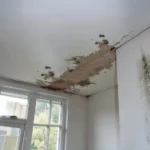
A bulging or sagging ceiling may be weakened. Do not stand underneath, puncture it, or try to collect water from an unsafe position. Keep people and pets away while arranging qualified help.
If water involves electricity or the building appears unstable, prioritize safety assistance before cleanup. Do not cross standing water to reach an electrical panel or assume an appliance is safe because it is switched off.
Distinguish urgent hazards from routine finish work
A documented, dry, unchanged stain may eventually call for cosmetic repair. Active dripping, changing shape, or electrical concerns require a different response. The assessment should be based on the current condition rather than a standard repair package.
Check above the finish before closing repairs
The EPA's moisture guidance emphasizes addressing wet materials promptly. Moisture may remain in insulation or framing even when the exposed paint looks dry.
Ask how the proposed work will evaluate the cavity, decide what can stay, and determine when repairs are appropriate. Drywall replacement should not conceal a source that remains active or materials that are still wet.
- Confirm which provider handles the leak source.
- Request explanations for selective material removal.
- Save findings and photographs before reconstruction.
- Ask how drying progress is evaluated.
- Report returning stains rather than repainting repeatedly.
Make the next step fit the evidence
A ceiling leak is not diagnosed by one color or shape. Useful assessment combines the visible symptoms, source investigation, and condition of affected materials. That approach avoids unnecessary replacement while keeping concealed moisture from being overlooked.
The ERS team can discuss restoration of a water-affected ceiling. Call (414) 571-9977 when new staining, dampness, or deterioration suggests that the job needs more than a cosmetic touch-up.
Frequently Asked Questions
Does a leak always create a brown stain?
No. It can appear as dampness, bubbling paint, swollen seams, or dripping without a clear brown mark. Consider changes in material condition as well as color.
Can an old stain remain after the ceiling dries?
Yes. Discoloration can remain after moisture is resolved. Verify the source and repair history before deciding whether the remaining work is cosmetic.
Does the stain show the exact entry point?
Not necessarily. Water can travel along framing or other surfaces. Source tracing may need to look beyond the point visible from the room below.
Should I press the ceiling to test softness?
Avoid disturbing weakened materials or standing beneath a questionable area. Qualified assessment should determine condition without making the ceiling less stable.
Can plumbing cause a ceiling stain?
Yes. Supply lines, drains, fixtures, and appliances above the room are possible sources. Report the relationship to use without assuming it proves the cause.
Does a stain mean mold is present?
No. A stain does not establish growth, species, or exposure. Moisture history and material assessment determine whether a mold investigation is appropriate.
What if water is near a ceiling light?
Stay clear and obtain appropriate electrical safety assistance. Do not touch the fixture or assume switching it off makes wet wiring safe.
Should I puncture a bulging area?
No. Keep people away and arrange assessment. Releasing water through an improvised opening can expose you to falling material and other concealed hazards.
Can paint fix a recurring stain?
Paint cannot correct an ongoing source or concealed moisture. Investigate the recurrence first, then repair the finish after underlying conditions are addressed.
What should I photograph for the assessment?
Capture safe views of the stain, surrounding ceiling, nearby walls, and changes over time. Avoid climbing or entering unsafe spaces simply to collect more images.
Related posts:
![Should-I-File-a-Home-Insurance-Claim-for-Water-Damage]()
Should I File a Home Insurance Claim for Water Damage?
![4 Things To Look For In A Water Damage Restoration Company]()
4 Things To Look For In A Water Damage Restoration Company
![mold-after-water-damage-what-you-need-to-know-and-how-to-act-fast]()
Mold After Water Damage: What You Need to Know and How to Act Fast
![Why-Every-Minute-Counts-After-Water-Damage]()
Why Every Minute Counts After Water Damage
![Water Seeping Through Basement Wall? Cleanup Guide]()
Water Seeping Through Basement Wall? Cleanup Guide
![5 Signs You May Have A Leak That Needs Detection]()
5 Signs You May Have A Leak That Needs Detection
![Preventing-Secondary-Water-Damage-After-Initial-Cleanup]()
Preventing Secondary Water Damage After Initial Cleanup