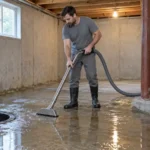
Yes, exposure to sewage can make someone sick. Wastewater can contain disease-causing organisms and other contaminants, so a basement backup deserves a careful response even when the mess looks small. That does not mean every exposed person will become ill, or that an odor can tell you which organisms are present. The practical goal is to reduce contact, stop the discharge, and have contaminated areas assessed and cleaned appropriately.
Why a Sewage Backup Creates a Health Concern
Water returning through a drain can carry waste from plumbing beyond the room where it appears. Contact with contaminated water, dirty hands touching the mouth, and contaminated food or household objects are concerns. Cuts and damaged skin also deserve attention. The CDC's wastewater safety information specifically warns that contact with sewage-contaminated water can cause illness.
Appearance is an unreliable safety test. Diluted sewage may not look dark, and a dry-looking carpet may still have contaminated backing or padding. Avoid treating the event as clean water simply because you cannot see solid waste. If the source is uncertain, describe the drain involved and seek a professional assessment before choosing a cleanup method.
What to Do Before Cleanup Begins
Reduce exposure immediately
Keep people and pets away from the affected room. Stop plumbing use that could worsen the backup, and contact a plumber or sewer utility as appropriate. Do not enter standing water near electrical appliances or wiring. Safe access must be established before anyone starts moving belongings or attempting extraction.
Keep contamination from spreading
Do not walk dirty shoes through living areas, move wet rugs upstairs, or let children retrieve toys from the basement. If belongings need documentation, take photos from a safe position. A controlled work area helps separate contaminated handling from unaffected rooms without asking the household to improvise a hazardous cleanup system.
- Close off the affected space to routine traffic.
- Keep food, drinks, and clean clothing outside the work area.
- Avoid touching your face with contaminated hands or gloves.
- Wash exposed skin promptly with soap and clean water.
- Seek medical advice for exposure concerns or developing symptoms.
Symptoms Need Medical Assessment, Not Guesswork
Stomach illness, skin irritation, or other symptoms after contact have several possible causes. Tell a healthcare professional about the sewage exposure, when it happened, and whether water contacted broken skin or was swallowed. They can determine what evaluation is appropriate. A restoration company cannot diagnose an infection or decide whether someone needs medication.
People with weakened immune systems or other relevant health conditions should discuss exposure concerns with their clinician. Children may have difficulty following contamination precautions. Keep them away from the cleanup area rather than relying on reminders. Seek urgent help for severe symptoms or immediate breathing trouble; do not delay care while waiting for property cleanup.
|
Situation |
Practical response |
|
Sewage touches intact skin |
Wash promptly and avoid further contact |
|
Contamination reaches a cut |
Clean the area and ask a clinician about the exposure |
|
Someone develops illness |
Describe the event to a medical professional |
|
Electrical hazards coexist |
Stay out until qualified assessment establishes access |
|
Odor remains after cleanup |
Investigate the source rather than masking it |
Odor and Infection Are Different Questions
A sewage smell can signal a plumbing problem, but smell alone cannot measure infection risk or identify a hazardous gas concentration. Sewer spaces and confined areas create additional concerns. Do not enter a sewer, pit, or enclosed space to investigate an odor. Strong or unexplained gas odors with dizziness or breathing symptoms warrant leaving the area and contacting emergency services from a safe location.
Inside the home, an odor may continue because contaminated material remains, plumbing traps are dry, or the backup source is unresolved. Those possibilities need different responses. Air fresheners cannot confirm that the room has been cleaned, and a fragrance-free room is not proof that hidden materials are suitable to keep.
Why Professional Sewage Cleanup Goes Beyond Disinfecting
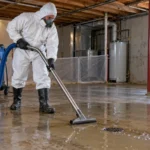
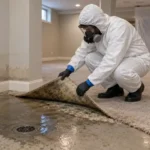
A suitable recovery plan addresses the source, affected materials, cleaning, and moisture. Porous materials exposed to sewage may require removal. Durable surfaces need cleaning before an appropriate disinfectant is used according to its label. Mixing cleaning chemicals is dangerous and unnecessary. Household fans and rental drying equipment should not be used to spread air across untreated contamination.
RemoveWater's sewage backup cleanup team can assess affected building areas and explain the proposed scope. Ask how clean areas will be protected, what must be removed, and how drying will be checked. A clear plan helps the family understand when normal use can resume without relying on a vague promise that everything has been sprayed.
Prepare Useful Information for the Assessment
The CDC's disaster cleanup precautions include protective equipment for people handling sewage. Those precautions do not mean every household can safely tackle every backup. The extent of damage and other hazards determine what level of help is appropriate.
- Identify the first drain or fixture that overflowed.
- Estimate which rooms and stored belongings were reached.
- Note whether anyone had direct contact with the water.
- Mention suspected electrical, structural, or access problems.
- Keep the plumber's findings available for the cleanup team.
Contact RemoveWater at (414) 571-9977 to discuss property cleanup. Share health concerns with a healthcare professional separately so building recovery and medical decisions receive the right attention.
Frequently Asked Questions
Can you get sick from a sewage backup?
Yes. Sewage can contain harmful organisms and contaminants. Reduce contact and obtain medical advice when exposure or symptoms create concern.
Does everyone exposed become ill?
No. Exposure does not establish an illness. A clinician can assess the circumstances and symptoms without assuming the same outcome for everyone.
Is clear drain water safe?
Not necessarily. Water returning through a sewage system may be contaminated even when it looks relatively clear or has little visible debris.
Can children help clean up?
Keep children away from sewage-contaminated areas. They may touch contaminated objects or their faces before understanding the precautions needed.
What if sewage touches a wound?
Wash the affected area and contact a healthcare professional for advice about the exposure. Mention any symptoms and relevant medical conditions.
Does a bad smell prove dangerous gas levels?
No. Smell cannot measure gas concentration. Leave the area if symptoms or an unexplained strong gas odor suggest an immediate hazard.
Can I disinfect everything without removing carpet?
Contaminated porous materials may not be suitable for recovery. Ask for a material-specific assessment rather than relying on surface spraying.
Should I mix bleach with another cleaner?
No. Follow product instructions and never mix cleaning chemicals. A professional plan should specify compatible cleaning and disinfection methods.
Is drying enough to remove sewage contamination?
No. Moisture removal and contamination removal are different tasks. The cleanup plan needs to address both before the room returns to normal use.
Who can assess the affected rooms?
Call (414) 571-9977 to discuss sewage cleanup needs, including affected materials, continuing discharge, and any restrictions on safe access.
Related posts:
![Who Cleans Up Sewage in a Basement? (And Who Pays)]()
Who Cleans Up Sewage in a Basement? (And Who Pays)
![What To Verify Before Sewage Damaged Materials Are Removed]()
What to Verify Before Sewage-Damaged Materials Are Removed
![A Sewage Backup Carries More Risk Than A Stink]()
A Sewage Backup Carries More Risk Than A Stink
![Crawl Space Mold Remediation When Summer Humidity Wont Leave]()
Crawl Space Mold Remediation: When Summer Humidity Won’t Leave
![Emergency Water Removal For Sump Line Backups Importance]()
Emergency Water Removal for Sump Line Backups: Importance
![How to Prevent Sewage from Entering Your Home]()
How to Prevent Sewage from Entering Your Home
![Sewage or Biohazards: Janitorial Cleaning vs. Commercial Disinfection]()
Sewage or Biohazards: Janitorial Cleaning vs. Commercial Disinfection