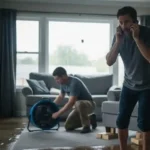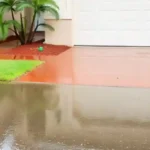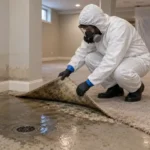


Rental turnover season compresses every property decision. You need the unit clean, safe, presentable, and ready for the next occupant. At the same time, Milwaukee-area properties often carry seasonal damage into the winter.
Heavy rain can push water into lower levels. Storm winds can expose roofs, siding, and windows. Winter freeze can leave burst-pipe stains behind. Older housing stock, mixed-use corridors, and basement-heavy homes can hide moisture where a quick paint job will not solve the real problem.
The hard part is knowing whether a stain, odor, or damaged surface needs cosmetic repair or professional restoration. Paint, carpet cleaning, and patching work well when the issue is clean, dry, shallow, and stable.
Restoration becomes the smarter path when damage involves water intrusion, contamination, smoke residue, mold concerns, structural exposure, or hidden moisture.
Why turnover season makes damage decisions harder
Turnover work often starts with a visible checklist: clean appliances, repaint walls, touch up trim, replace broken blinds, remove trash, and deep-clean flooring. That process works for ordinary wear. It does not work when the stain is a symptom.
A brown ceiling mark may be an old, dry leak. It may also mean the roof or plumbing water is still moving. A musty odor may come from closed-up air and dirty carpet. It may also point to damp drywall, wet padding, or repeated basement seepage.
A smoke smell may need deep cleaning and repainting. It may also involve soot residue, odor trapped in porous materials, or fire-related damage that needs a different response.
We can help you sort out whether the next step is cleanup, drying, odor removal, mold-related service, board-up, debris removal, or restoration planning.
Start with the source, not the surface
Cosmetic repair starts at the finish. Restoration starts at the source. That difference matters.
- If a wall stain came from furniture rubbing the paint, cosmetic repainting may be enough.
- If the same stain sits below a bathroom, roof edge, chimney area, window, or supply line, you need to understand whether moisture is still present.
A repaint can trap the problem and create a repeat complaint after move-in.
Water is the most common reason turnover damage needs a deeper plan. Plumbing failures, appliance leaks, roof leaks, basement flooding, and storm-driven intrusion can push moisture into flooring, trim, drywall, insulation, cabinets, and subfloors.
The EPA recommends drying water-damaged areas and items within 24 to 48 hours when possible to help prevent mold growth. That timing matters when a vacant unit sits closed after a storm or when the prior occupant did not report a leak.
For water intrusion, water damage restoration services may be a better fit than ordinary cleaning when the damage involves extraction, structural drying, hidden moisture, sewage backup cleanup, or repairs after mitigation.
What the damage is telling you during turnover
The common turnover findings and what they may mean.
Stains that may be cosmetic
Some stains stay at the surface. Scuffs, small furniture marks, light food splatter, clean nail holes, and ordinary high-touch wall marks usually fall into the cosmetic category. These issues often need cleaning, patching, sanding, priming, or repainting.
The decision changes when staining appears below plumbing, around windows, at baseboards, near lower-level openings, around ceilings, or beside exterior walls. In those areas, stains may mark the path of water.
Odors that need more than an air freshener
Odor is often the fastest way a new tenant or customer judges a space. A stale odor from vacancy may improve with cleaning and ventilation. Persistent odor usually needs source removal.
Musty smells can point to moisture or mold concerns. Sour or sewage-like odors can point to contaminated water. Smoke odors can remain after cooking fires, small structure fires, or smoke migration.
Pet odors can move from the carpet into the pad and subfloor. When odor comes back after cleaning, the source likely remains.
Damage that points to building exposure
Storm-season turnover can reveal problems that happened before move-out. Broken glass, torn screens, damaged siding, lifted shingles, wet ceilings, and debris impact are not just appearance issues. They can let rain enter the property and create secondary water damage.
For buildings with shared entries, tenant spaces, or exposed lower levels, the priority is stabilizing the opening. A related guide on same-day emergency board-up for mixed-use buildings explains why temporary protection often has to come before cosmetic repairs.
How to evaluate the right response for this issue?
A compact decision framework for choosing cleanup, repair, or restoration.
Key questions to ask before you move forward
- Is the stain dry, or could moisture still be active behind it?
- Did the odor return after cleaning, ventilation, or carpet service?
- Did water touch carpet pad, drywall, cabinets, subfloor, or insulation?
- Could the source involve sewage, stormwater, smoke, soot, or biological contamination?
- Does the damage affect a shared wall, common hallway, tenant space, customer area, or lower-level utility space?
If the answers stay surface-level, cosmetic repair may be reasonable.
If the answers involve moisture, contamination, odor source, building exposure, or shared spaces, restoration should be considered before finish work begins.
Early warning signs of a poor cleanup plan
- Painting over a water stain before checking the source.
- Replacing carpet while leaving the wet pad or subfloor untreated.
- Masking odor without removing the material causing it.
- Securing a storm opening but delaying interior drying.
These mistakes can make a unit look ready while leaving the real issue in place.
What a well-managed recovery usually includes
What practical recovery looks like without overpromising outcomes.
A strong turnover recovery starts with documentation. Photograph stains, flooring, ceilings, baseboards, contents, exterior openings, and any visible water path before cleanup change the scene. In shared buildings, document hallways, stairs, utility areas, and adjoining tenant spaces.
Our guide to common-area water losses in condos explains why water rarely respects unit boundaries.
Next, match the scope to the source. Clean-water leaks, stormwater, sewage backups, smoke damage, mold concerns, and storm debris do not call for the same response. Some materials may be cleaned and dried. Others may need removal. Some surfaces may need odor removal, disinfection, or reconstruction after mitigation.
Hidden moisture deserves special attention. Water can move behind siding, under trim, through wall cavities, into lower-level openings, and across shared assemblies.
For exterior-related losses, see the guide on hidden moisture in storm-damaged siding, fascia, and soffits.
For lower-level water entry after seasonal thaw or rain, review why lower-level openings start leaking.
When cosmetic repair is enough
Cosmetic repair is often enough when the material is dry, the source is known, and the damage is limited to appearance. Examples include clean wall scuffs, minor drywall dents, dry nail pops, worn paint, loose trim with no moisture signs, small flooring scratches, and ordinary move-out soil.
The key is confidence. You should know what caused the issue, whether it is still active, and whether the affected material is stable. If cleaning removes the odor, the stain does not return, and there is no softness, swelling, staining pattern, or damp smell, a standard turnover repair may be the right path.
When restoration should come first
Restoration should come before cosmetic work when the property has standing water, wet building materials, sewage backup, persistent musty odor, visible mold concern, smoke odor, soot residue, storm exposure, fallen-tree damage, broken windows, roof openings, or debris intrusion.
This is especially important for property managers and commercial owners. A rushed cosmetic turn can lead to tenant complaints, repeated work orders, delayed reopening, and more disruption. A better plan stabilizes the property first, then moves into repair and finish work after the cause and spread are understood.
If the turnover damage feels bigger than cleaning and repainting, request help before the next occupant moves in.
Our team provides restoration services for water, fire, mold, odor, storm, and wind damage, board-up and tarp-over needs, debris removal, and total disaster restoration when the loss requires a broader recovery plan.
Frequently Asked Questions
1. How do I know if a rental stain is just cosmetic?
A stain is more likely cosmetic when it sits on the surface, has a clear non-moisture cause, and does not return after cleaning or priming. Scuffs, light wall marks, and small move-out blemishes often fit this category. If the stain is near plumbing, ceilings, windows, baseboards, or lower levels, check for moisture before repainting.
2. When does odor become a restoration issue?
Odor becomes a restoration issue when it survives cleaning, ventilation, carpet service, or repainting. Musty, sewage-like, smoke, or heavy pet odors can point to a source inside porous materials. Restoration focuses on finding and addressing that source instead of masking the smell.
3. Should I repaint over a ceiling stain before a new tenant moves in?
Only repaint after you know the source is resolved and the material is dry. A ceiling stain may come from a roof leak, plumbing issue, freeze-thaw problem, or prior water intrusion. Painting too soon can hide an active problem until the new occupant reports it again.
4. How fast should wet turnover damage be addressed?
Wet materials should be addressed as soon as safely possible. The EPA advises drying water-damaged areas and items within 24 to 48 hours when possible to help prevent mold growth. If the unit sat closed after a leak or storm, assume hidden areas may need closer review.
5. Is carpet cleaning enough after a tenant leaves pet odor?
Sometimes, but not always. Light odor may respond to cleaning when it is limited to the carpet surface. Strong or repeated pet odor can reach carpet pad, subfloor, baseboards, and nearby walls, which may require removal, odor treatment, or restoration work before the unit is truly rent-ready.
6. What if the damage involves sewage backup?
Treat sewage backup as more than a normal cleaning issue. Avoid direct contact and keep occupants away from affected materials when possible. Sewage backup cleanup, disinfection, odor removal, and water extraction and drying services may be relevant depending on the affected area.
7. Can storm damage create interior turnover problems?
Yes. Broken windows, roof exposure, damaged siding, hail impact, and fallen-tree damage can let rain enter the property. Interior stains, damp smells, warped trim, and wet flooring may appear later. Secure openings first, then evaluate water spread and repair needs.
8. What should property managers document before cleanup?
Take photos and notes before moving debris, removing carpet, repainting, or discarding damaged materials. Capture the suspected source, visible stains, wet areas, odors, affected rooms, shared spaces, and exterior openings. Documentation helps organize the scope and reduces confusion between cleaning, repair, and restoration decisions.
9. When is mold removal relevant during rental turnover?
Mold removal services may be relevant when visible growth, musty odor, repeated leaks, delayed drying, or damp building materials are present. Do not treat mold as a paint problem. Moisture control, material evaluation, and qualified cleanup are the more practical path.
10. What should commercial owners consider during turnover repairs?
Commercial spaces add customer access, tenant disruption, shared entries, operating schedules, and downtime concerns. A small odor or water stain can affect leasing, staff use, or reopening. Stabilize safety and moisture concerns first, then plan repairs around the property’s next use.
11. What is the safest first step when I am unsure?
- Start by limiting access to unsafe areas, documenting conditions, and avoiding cosmetic cover-ups until the source is understood.
- Do not touch sewage, unstable materials, downed power lines, or suspected hazardous debris.
- When the issue involves water, smoke, contamination, or storm exposure, qualified restoration help is the safer next step.
Related posts:
![7.-How-to-Handle-Water-Damage]()
How to Handle Water Damage: A Step-by-Step Guide for Homeowners
![Prepare for Wisconsin Winter Weather]()
Prepare for Wisconsin Winter Weather
![How-to-Stop-Floodwater-from-Entering-Your-House-DIY-Solutions-That-Work]()
How to Stop Floodwater from Entering Your House: DIY Solutions That Work
![how-to-dry-out-house-after-water-damage]()
How to Dry Out a House After Water Damage (Step-by-Step)
![Why Late-Summer Leaks Can Become Bigger September Claims]()
Why Late-Summer Leaks Can Become Bigger September Claims
![What To Verify Before Sewage Damaged Materials Are Removed]()
What to Verify Before Sewage-Damaged Materials Are Removed
![Do You Need A Sump Pump In Your Basement?]()
Do You Need A Sump Pump In Your Basement?