

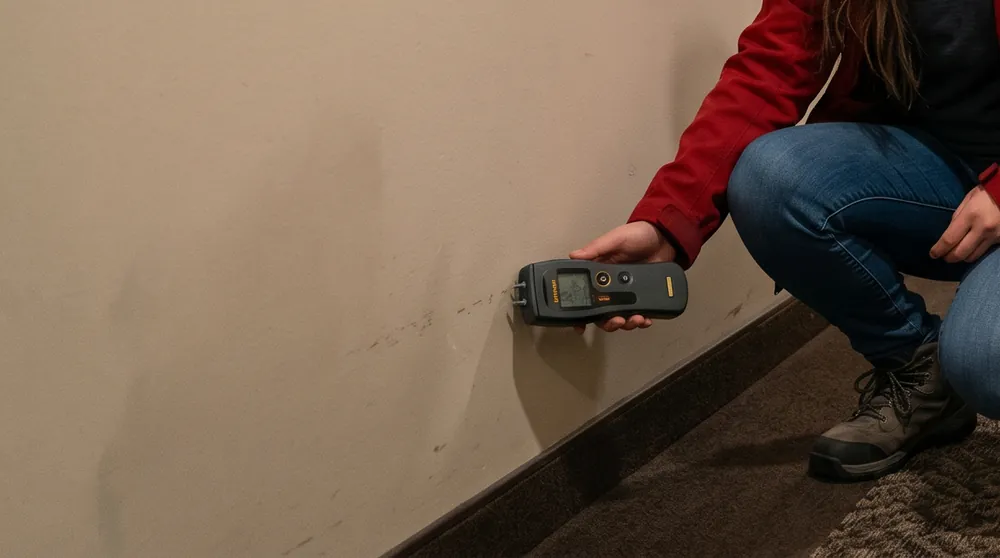
In condo buildings, water rarely stays where it started. A frozen pipe in one unit, a roof leak after severe weather, or lower-level water intrusion after heavy rain can move into hallways, stairwells, utility chases, and nearby units fast. That makes a common-area loss different from a simple in-unit cleanup. You are not only dealing with wet materials.
You are also dealing with shared access, multiple decision-makers, and the risk of moisture spreading into places no one can fully see at first. In Milwaukee-area neighborhoods and first-ring suburbs, that risk is shaped by heavy-rain flooding patterns, older housing stock, and cold-weather pipe failures.
Why common-area water losses escalate fast
In a condo, the real problem is usually not the puddle in the hallway. It is the water that ran under corridor flooring, wicked into base trim, crossed through shared walls, or dropped into the level below. That is why a good response starts by treating the event as a spread problem, not a surface problem.
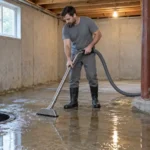
Water damage restoration is a structured process meant to stabilize the loss, remove water, dry absorbed moisture, address contamination when needed, and restore damaged materials before the damage expands.
When common spaces stay wet, the building also loses normal function. Residents may be walking past equipment, managers may be fielding conflicting repair demands, and one unit’s problem may start affecting several households at once.
The EPA says wet items should be dried within 24 to 48 hours when possible to help prevent mold growth. That timeline matters even more in shared corridors and enclosed common areas because delayed drying can keep pushing the loss outward.
Who usually handles hallways, stairwells, and shared drying?
In many condo communities, hallways, stairwells, lobbies, and similar shared spaces are commonly handled under the association’s side of the building, while the interior of the unit is more often handled under the owner’s side. But that is only the starting point. Your declaration, bylaws, and master policy still control the real answer.
Shared-space water damage may fall under the association response, while drywall-in damage inside a unit may fall under the owner’s policy or responsibility.
If moisture has crossed beyond one doorway, get help now and move quickly into a coordinated plan. Our team provides 24/7 emergency response, and our water damage restoration services include water removal, structural drying, hidden moisture detection, sewage backup cleanup when relevant, and support with documentation and claims.
That matters when owners, managers, and boards need one clear picture of what is wet, what is shared, and what needs to happen next.
Hallways and entry corridors
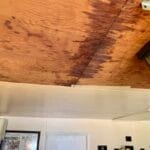
A wet hallway is not just a nuisance. It can mean saturated carpet, wet padding, swollen trim, damp wall cavities, and odor problems that spread through the floor. In buildings with older materials or repeated leaks, it can quickly become a bigger repair discussion.
If you want a plain-language breakdown of the overall response, our guide on how water damage restoration is performed is a useful starting point.
Stairwells and exit paths
Stairwells create an extra layer of urgency because they are part of how people move through the building during normal use and emergencies. Shared drying cannot turn them into storage space for removed materials, boxes, or parked equipment.
Exit pathways are meant to stay clear and unobstructed, and stored items should not reduce the required width or block safety devices and signage. That is why drying plans in stairs and landings need tighter access control than a simple in-unit job.
For a related homeowner view, see what to do in the first 60 minutes after water damage.
Shared drying is one moisture event, not three separate jobs
When water affects a unit, a hallway, and a shared cavity at the same time, treating each area as a separate cleanup can create blind spots. One crew may dry the visible unit damage while another misses moisture in the common wall or corridor base.
A better approach is one drying map, one scope for access, and one documentation trail that shows source, spread, and affected materials across the full path of loss.
Looking into what happens if water damage is not dried properly helps you understand why that matters.
What changes the cleanup approach in common spaces
The factors that decide whether the response stays simple or becomes more specialized.
Source and contamination
Not every common-area loss is the same. Clean water from a fresh supply-line break is one thing. Water that may involve sewage, drain backup, storm-driven overflow, or long-standing saturation is another.
Floodwater can contain sewage, and contaminated water events need a more careful response.
Materials and hidden moisture
Common spaces often hide damage in practical places. Think carpet and pad in corridors, drywall behind corner guards, wood trim, door frames, stairwell wall assemblies, and utility-wall penetrations. Visible extraction is only the first step.
Drying has to keep going until those moisture-holding materials are addressed correctly. If you are weighing a small DIY response against a larger coordinated one, our guide on DIY vs. professional water extraction helps frame that decision.
Access, noise, and resident disruption
A condo drying plan also has to respect daily building use. Residents still need to enter, leave, and move safely through the property. Property managers still need clear updates. And no one benefits when equipment is dropped into common space without a plan for noise, cord routing, signage, or protection of shared finishes.
That coordination piece is one reason common-area losses should be managed more like building incidents than room-level leaks.
How to evaluate the right response for this issue
A short decision framework when the loss involves both units and common spaces.
Start with four questions.
- Where did the water start?
- Where did it spread?
- Is contamination possible?
- Who controls access to the affected common spaces?
If the answer includes hallways, stairwells, shared walls, lower-level common areas, or more than one household, you are usually beyond a basic cleanup call.
The right response is the one that stabilizes the building fast, keeps shared paths usable, documents the full spread, and matches the drying plan to the actual moisture path instead of the most visible wet spot.
What a well-managed recovery usually includes
A well-managed response usually includes one lead scope for common areas, clear access decisions with management, drying that does not compromise exit paths, a record of which materials were affected, and a practical handoff from mitigation into repairs.
It also includes honest communication about what is clearly common-area damage, what appears unit-specific, and what still depends on the condo documents or insurer review. Near the end of a project, you should be able to understand what was removed, what was dried, and what still needs rebuilding.
When a condo loss has moved into shared corridors, stairwells, or adjoining spaces, fast coordination matters as much as fast extraction. The goal is not just to make the hallway look dry. It is to help the building recover in the right order.
Frequently Asked Questions
1. Who usually handles water damage in condo hallways?
Hallways are often treated as shared building space, so the association side of the property is commonly involved first. But the final answer depends on your condo declaration, bylaws, and master policy. If the water also entered your unit, unit-level coverage may still be part of the response.
2. Are stairwells handled differently from hallways after a water loss?
Yes, because stairwells affect building movement and emergency access. The drying plan has to keep those paths usable and clear of stored items, cords, or blocked safety devices while the loss is being stabilized and dried.
3. What does “shared drying” mean in a condo building?
It usually means one coordinated drying response is needed for both common spaces and affected units because the moisture path crosses boundaries. Instead of treating each wet area as a separate problem, the response follows the full spread of water through floors, walls, and shared cavities.
4. Can one unit owner hire a separate crew just for their own area?
Sometimes, but that can create gaps if the same loss also affects shared walls, corridors, or lower levels. A split response may miss hidden moisture or create conflicting documentation, which is why coordinated access and scope are usually cleaner when the damage crosses common spaces.
5. How fast does common-area drying need to start?
Fast. Wet items should be dried within 24 to 48 hours when possible to help prevent mold growth. That urgency is even more important in enclosed hallways and shared areas where damp materials and interrupted access can affect several residents at once.
6. What if the water may be contaminated?
Treat it more cautiously and limit contact. Floodwater can contain sewage, and not every common-area loss is clean water. If the source is uncertain, or if backup or stormwater is involved, the response usually needs stronger cleaning, sanitation, and material evaluation than a simple clean-water leak.
7. Do wet hallway carpet and pad usually need special attention?
Yes. Corridor carpet can hold moisture below the surface, especially at seams, edges, and pad layers. Even if the top looks better after extraction, the real decision depends on how long it has stayed wet, what kind of water was involved, and whether it can be dried thoroughly.
8. What should property managers document first?
Start with the source, if known, the first visible spread points, affected common spaces, nearby units, and any access or safety issues. Photos, timestamps, moisture spread notes, and a simple map of the affected path help keep the response organized before the repair conversation starts.
9. When does a common-area loss move from cleanup into repairs?
That usually happens after the building is stabilized, the moisture path is understood, and affected materials have been evaluated. Once extraction and drying are no longer the main issue, the conversation shifts toward what can stay, what must be removed, and what needs restoration work to return the space to usable condition.
Related posts:
![Emergency Water Removal For Sump Line Backups Importance]()
Emergency Water Removal for Sump Line Backups: Importance
![The 4 Classes Of Water Damage]()
The 4 Classes Of Water Damage
![First-Signs-of-water-damage-on-Ceilings]()
Initial Signs of Water Damage on Ceilings: What to Look For and Why Acting Fast Matters
![7.-How-to-Handle-Water-Damage]()
How to Handle Water Damage: A Step-by-Step Guide for Homeowners
![1.-Is-Emergency-Water-Damage-Restoration-Expensive]()
Is Water Damage Restoration Expensive? What Raises the Cost
![What Causes Water Leaks?]()
What Causes Water Leaks?
![Final-Inspection-Checklist-After-Water-Damage-Restoration]()
Final Inspection Checklist After Water Damage Restoration