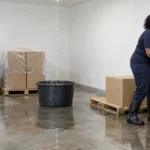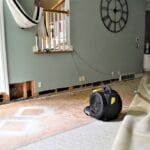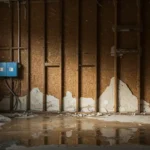


A finished lower level can look almost normal after the standing water is gone. In basement-heavy homes across Milwaukee-area neighborhoods, heavy rain, stormwater overload, a frozen-pipe break, or a plumbing failure can wet drywall, insulation, cabinets, and floor layers without leaving a matching puddle on the surface.
That is why basement flood cleanup services for finished spaces require more than simple basement water removal. The visible water is only the first part of the loss. The harder question is where moisture traveled after it reached wall bases, built-ins, flooring transitions, and enclosed cavities.
If the source may involve sewage, electricity, or unstable materials, keep people away from the affected area and use qualified professional help.
Why Finished Basements Hide More Water Than They Show
Finished lower levels create concealed pathways that can hold moisture after the floor surface looks better.
Built-Ins Can Block Access to Wet Wall Bases
Bookcases, entertainment centers, cabinets, bars, benches, and storage units often sit tightly against walls. Water can move beneath toe kicks, behind base panels, and into the wall area that the built-in covers. A quick wipe-down may clean the visible face while leaving damp materials behind it.
If you are deciding what to do first, this guide on what to do when your basement is flooded can help separate immediate safety decisions from later repair work.
Insulated Walls Can Hold Moisture Out of Sight
Finished basement walls may include drywall, framing, insulation, and trim. When water reaches the bottom of that assembly, the surface can change before hidden layers do. Drywall may stain or soften, baseboards may swell, and insulation can remain damp inside the cavity.
Flooring Creates Another Concealed Moisture Path
The carpet and pad can hold water below the surface. Floating floors may trap moisture at seams or beneath underlayment. Water can also travel to wall edges, closets, stair landings, and adjacent rooms. Flooded basement cleanup should follow the path of the water, not just the original puddle.
What Basement Flood Cleanup Services Need to Uncover
A useful cleanup plan connects extraction, hidden-moisture checks, drying, cleaning, and repair decisions in the right order.
Remove Visible Water, Then Trace the Spread
Flooded basement water removal starts with standing water, but the next step is finding where moisture moved. Wall bases, insulation, carpet pad, cabinetry, framing, and concrete or block surfaces may all need attention depending on the source and extent of the loss.
Professional basement flood cleanup becomes especially important after repeated heavy rain, neighborhood flooding, sump pump failure, or a winter pipe break because finished materials can conceal the wet area.
Decide What Needs Access Before Repairs Begin
Built-ins, trim, wall finishes, and flooring can limit access to damp materials. A qualified assessment can help determine where materials need to be opened, removed, dried, cleaned, repaired, or replaced.
The goal is not unnecessary demolition. It is enough access to understand the affected area before new finishes cover it again.
Treat Contaminated Water as a Different Cleanup Problem
- Sewer backups and other contaminated-water situations should not be handled like a small clean-water spill.
- Avoid direct contact with affected water and materials.
- Keep occupants away when conditions may be unsafe, and use qualified cleanup professionals for the appropriate response.
Signs the Basement May Still Be Wet After Water Removal
A dry-looking floor can be reassuring, but surrounding materials often provide better clues about hidden moisture.
Odor, Swollen Trim, and Soft Finishes Deserve Attention
A persistent damp or musty odor can point to wet contents, carpet pad, wall cavities, trim, or other absorbent materials. Swollen baseboards, bubbling paint, loose flooring, or soft drywall can also signal that water reached farther than the visible surface.
If odor remains after the lower level looks dry, read why basement odor can mean drying is not enough.
Cabinets and Wall Edges Can Reveal the Moisture Line
-Check toe kicks, cabinet sides, baseboard joints, door casings, closet corners, and the bottom edge of finished walls.
-Changes in color, shape, texture, or odor may show where water moved upward or sideways.
-Basement water damage cleanup should account for these secondary wet zones before repair decisions are finalized.
Repair Planning Comes After the Moisture Problem Is Understood
Basement flood restoration works best when cleanup and rebuilding are treated as connected stages.
Dry First, Rebuild Second
New drywall, trim, paint, or flooring can hide a moisture problem if repairs start too soon. Before closing walls or reinstalling built-ins, the affected area should be evaluated, and drying should support the repair plan.
For a broader decision sequence, review this basement flooding repair and cleanup guide before treating surface improvements as the end of the job.
Think About the Whole Lower Level, Not One Wet Corner
Water can move along seams, framing, floor edges, and openings. A flood that appears limited to one room may affect an adjoining closet, storage wall, stair base, utility area, or built-in.
That wider view matters in older housing stock, basement-heavy rentals, and mixed-use properties where rooms may have different finishes and access limitations.
Finished Basements Create Extra Decisions for Property Managers
Lower-level water damage can affect access, tenants, stored property, building operations, and repair sequencing.
Protect Use of the Space While the Scope Is Being Defined
In commercial properties and rentals, a finished basement may contain offices, storage, tenant areas, laundry rooms, utility spaces, or customer-facing rooms. Limit access to affected areas when electrical, contamination, or material-stability concerns are present.
Track Which Areas Were Wet and Which Repairs Follow
-Clear notes and photos can help separate affected zones from unaffected ones and keep cleanup, drying, and repairs organized.
-This matters when water crosses room boundaries or several built-ins and wall sections need different decisions.
-Persistent odor after rain can also signal recurring or trapped moisture. This guide explains why lower levels can still smell after rain even when the floor looks dry.
When Professional Basement Flood Cleanup Makes Sense
Professional help becomes more important as the loss moves beyond a small, surface-level spill.
Consider a basement flood cleanup company when standing water is substantial, moisture has reached insulated walls or built-ins, water has moved beneath flooring, the source may be contaminated, or the space serves tenants, customers, storage, or important building functions.
Emergency basement flood cleanup is also appropriate when the situation involves electrical concerns, active water entry, or conditions you cannot assess safely.
Frequently Asked Questions
Why is flooded basement cleanup more complicated in a finished basement?
Finished spaces contain layers that can conceal moisture, including drywall, insulation, trim, flooring, cabinets, and built-ins. Standing water may disappear while those materials remain affected. Professional basement flood cleanup services can evaluate the broader moisture path before repair work begins.
Can water remain behind built-ins after the basement floor looks dry?
Yes. Built-in cabinets, bars, shelving, benches, and entertainment units can block access to wall bases and flooring edges. Water may move underneath or behind them without remaining visible. Changes in odor, trim, cabinet surfaces, or nearby finishes deserve closer evaluation.
What should you do after basement flooding caused by heavy rain?
- Start with personal safety and avoid standing water when electrical equipment or outlets may be affected.
- Keep people away if the water may be contaminated or materials appear unstable.
- Once conditions permit, focus on stopping additional water entry, documenting affected areas, water removal, and drying decisions.
Is sewer backup cleanup different from ordinary basement water cleanup?
Yes. A sewer backup creates contamination concerns that make it different from a small clean-water plumbing spill. Avoid direct contact with affected water and porous materials, and restrict access when appropriate. Qualified professionals should evaluate the cleanup, disinfection, removal, and restoration needs.
Can a frozen pipe cause hidden basement damage?
Yes. A pipe break can release water into finished walls, ceilings, closets, utility spaces, and floor assemblies before a large puddle becomes obvious. Insulation and framing may be affected behind the visible finish. Look beyond the leak location when evaluating the resulting basement water damage.
What signs can indicate hidden moisture after basement water removal?
Persistent odor, swollen baseboards, soft drywall, bubbling paint, loose flooring, and changing cabinet surfaces can all justify further investigation. Dampness may also remain beneath carpet pad or behind insulated walls. Do not assume that a dry-looking concrete or flooring surface confirms the entire lower level is dry.
When should mold concerns affect a basement cleanup decision?
Mold becomes a concern when moisture remains, drying is delayed, or a basement experiences repeated wetting. A musty odor alone does not confirm mold, but it can justify checking for a continuing moisture source. Visible growth or widespread moisture problems should be evaluated by qualified professionals.
Can wind, hail, or roof damage eventually create basement water problems?
They can contribute when storm damage creates openings that allow rain into the structure. Water may move through walls, floor assemblies, or other concealed paths before reaching a lower level. Basement cleanup should therefore consider where the water originated as well as where it finally appeared.
What should property managers prioritize after a finished basement floods?
- Protect occupants and control access first when electrical, contamination, or material-stability concerns exist.
- Document which rooms, contents, walls, built-ins, and flooring areas were affected.
- Then coordinate water removal, drying, material decisions, and repairs so building-use decisions reflect the actual affected area.
When can repairs begin after basement flood cleanup?
Repairs should follow a clear understanding of the affected materials and the drying needs of the space. Installing new flooring, trim, drywall, or built-ins too early can cover a moisture problem instead of resolving it. Cleanup, drying, and repair planning should therefore remain connected.
Related posts:
![Steps to Restoring Your Home After Flood Damage]()
Steps to Restoring Your Home After Flood Damage
![Roof Drain Overflow Protecting Commercial Inventory Below]()
Roof-Drain Overflow: Protecting Commercial Inventory Below
![8.-How-do-professionals-stop-water-from-spreading]()
How Pros Stop Water from Spreading
![How-to-get-water-out-of-Flooded-Carpets]()
How to Get Water Out of Flooded Carpets: A Step-by-Step Guide
![How To Mitigate Property Damage From Floods]()
How To Mitigate Property Damage From Floods
![Information About Water Damage and Restoration]()
Information About Water Damage and Restoration
![how-to-dry-a-wall-after-water-damage]()
How to Dry a Wall After Water Damage (Without Making Things Worse)