

Water damage is one of the most insidious threats to any home or commercial space. Often, its earliest signs appear quietly—on the ceilings—before escalating into major structural and health issues. Recognizing these warning signals can save you from costly repairs and serious hazards like mold and compromised structural integrity.
In this blog post, we’ll break down the common early indicators of water damage on ceilings, what causes them, and why swift intervention—especially from a professional restoration service like Emergency Restoration Specialists (ERS)—can make all the difference.
Common Early Signs of Water Damage on Ceilings
Water damage rarely happens all at once. Here are the key indicators that your ceiling might be silently suffering:
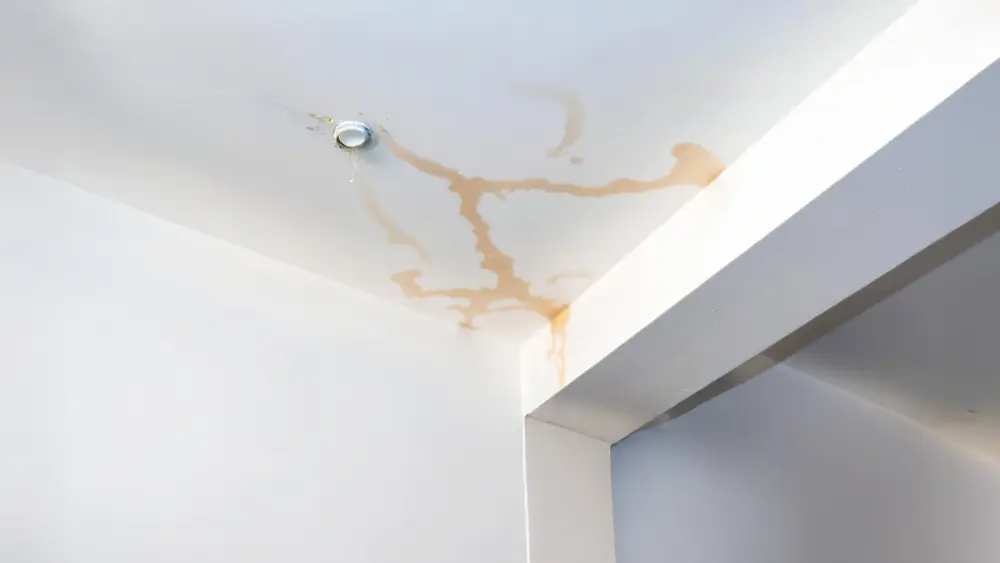
- Discoloration and Stains – One of the most obvious signs is a discolored patch on the ceiling. These can range in color from light yellow to dark brown and are often ring-shaped or irregularly bordered. This usually means water has been leaking above the surface for some time, allowing minerals and dirt to collect.
- Peeling or Bubbling Paint – When moisture builds up behind paint or wallpaper, it causes the surface to lose adhesion. If you notice bubbling, cracking, or peeling in ceiling paint, it’s likely the result of trapped water vapor trying to escape.
- Sagging or Bulging Areas – A more advanced warning sign is a ceiling that sags or forms a bulge. This suggests that a significant amount of water has pooled behind the surface, putting pressure on the drywall or plaster. This condition is not just unsightly—it’s potentially dangerous, as the ceiling may collapse if left unaddressed.
- Mold and Mildew – Even a small leak can create the perfect humid environment for mold growth. If you see speckled black, green, or grey patches on your ceiling—or notice a musty odor—it may indicate mold that has taken root due to lingering moisture.
- Dripping or Wet Spots – If you see actual water droplets or visibly wet patches on the ceiling, especially during or after rainfall, this confirms an active leak. Whether from the roof, plumbing, or HVAC system, this situation demands immediate action.
- Warped Ceiling Texture – Ceiling textures like popcorn or knockdown can warp, flake, or separate from the drywall beneath them when exposed to moisture. This subtle change in texture is often overlooked but can be an early red flag.
Common Causes of Ceiling Water Damage
Understanding the source of water damage can help in both prevention and quicker mitigation:
- Roof leaks due to broken shingles or flashing
- Leaky plumbing pipes or fixtures located above the ceiling
- HVAC condensation buildup from poorly insulated ducts
- Overflowing bathtubs or toilets on upper floors
- Ice dams forming on rooftops in colder climates
- Poor attic insulation or ventilation
No matter the cause, these issues almost always escalate without timely intervention.
Why Prompt Professional Restoration Matters
Delaying response to ceiling water damage can be disastrous. The longer water sits, the more it seeps into insulation, wood framing, and electrical systems. The risk of mold grows exponentially within 24 to 48 hours.
That’s where Emergency Restoration Specialists (ERS) comes in.
ERS: Your Trusted Partner in Water Damage Restoration
Emergency Restoration Specialists (ERS) is a premier water damage restoration company with a reputation for rapid, reliable, and professional service. Whether it’s a minor ceiling leak or widespread structural flooding, ERS brings industry-leading technology and highly trained technicians to mitigate damage and restore properties to their original state.
Here’s how ERS stands apart:
- 24/7 Emergency Response: Water damage doesn’t wait, and neither does ERS. Their team is on call around the clock to respond within minutes of your call.
- Advanced Moisture Detection: Using infrared cameras and moisture meters, ERS locates hidden leaks and maps the extent of water infiltration—ensuring no damp spot goes untreated.
- Comprehensive Restoration: From drywall replacement and insulation drying to mold remediation and ceiling repainting, ERS handles every step of the recovery process.
- Insurance Coordination: Dealing with insurance claims can be a headache. ERS works directly with your insurance provider to streamline approvals and reduce stress.
With a focus on both speed and precision, ERS is the first call you should make when ceiling water damage strikes.
What You Can Do Until Help Arrives
If you suspect water damage on your ceiling, here are some immediate steps to take:
- Contain the Water: Place a bucket or container under any drips. If the ceiling is bulging, gently poke a small hole to drain trapped water—this can prevent a sudden collapse.
- Turn Off the Source: If possible, shut off water lines or cover roof leaks temporarily with tarps.
- Protect Belongings: Remove furniture, electronics, and valuables from the area.
- Avoid the Area: If the ceiling shows signs of significant sagging or structural weakness, leave the area until professionals can assess it.
Final Thoughts
Early detection of ceiling water damage can save you thousands in repair costs and protect your home’s structural integrity and indoor air quality. By knowing the warning signs—and acting fast—you minimize risks and ensure a safer living space.
For homeowners and businesses facing water damage, Emergency Restoration Specialists (ERS) provides the peace of mind that comes with expert, rapid, and complete restoration services. When time is of the essence, don’t wait—call ERS and stop water damage in its tracks.
Need Help Now?
Contact Emergency Restoration Specialists (ERS) for immediate consultation and emergency water damage services. Let the pros bring your ceiling—and your peace of mind—back to normal.
FAQ
1. What are the first visible signs of water damage on a ceiling?
The most common early signs include yellow or brown stains, bubbling or peeling paint, sagging or warped areas, and sometimes even hairline cracks. These indicate that moisture has infiltrated the ceiling material.
2. Is a small water stain on the ceiling something to worry about?
Yes. Even small stains can signify a slow leak or hidden moisture that, if left unchecked, may lead to mold growth or structural weakening. It’s best to have it inspected by professionals like ERS before it becomes a bigger issue.
3. What causes ceiling water damage?
Common sources include roof leaks, plumbing issues, overflowing toilets or bathtubs from upper floors, HVAC condensation, or ice dams. Identifying and addressing the root cause is essential to prevent recurrence.
4. How soon should I take action if I notice ceiling damage?
Immediately. Water damage can worsen quickly and mold can begin growing within 24–48 hours. Contacting a restoration expert like Emergency Restoration Specialists (ERS) right away can minimize damage and cost.
5. Can mold grow inside the ceiling even if I don’t see it on the surface?
Answer: Absolutely. Mold thrives in dark, damp environments—like inside ceilings and walls. Hidden mold is dangerous because it can affect indoor air quality and pose health risks even if it’s not visible.
6. Will my homeowner’s insurance cover ceiling water damage?
Answer: It depends on the cause. Sudden and accidental incidents (like burst pipes) are typically covered, while long-term neglect or gradual leaks may not be. ERS works with most major insurance companies and can help streamline the claims process.
7. How does ERS detect hidden water damage in ceilings?
Answer: Emergency Restoration Specialists (ERS) uses advanced tools like thermal imaging cameras, moisture meters, and hygrometers to identify hidden water pockets and moisture intrusion not visible to the naked eye.
8. What happens during the water damage restoration process?
Answer: ERS follows a comprehensive process:
- Assessment of damage and moisture mapping
- Water extraction if active leaks are present
- Drying and dehumidification
- Mold prevention/remediation
- Repair and restoration of affected areas including insulation, drywall, and paint
9. How long does it take to fix a water-damaged ceiling?
Answer: The timeline depends on the extent of the damage. Minor repairs might take 1–2 days, while more severe cases involving structural damage or mold remediation could take a week or more. ERS always aims for rapid yet thorough restoration.
10. Why should I choose ERS instead of fixing it myself or using a general contractor?
Answer: Water damage requires specialized knowledge and equipment. ERS brings industry-certified technicians, 24/7 emergency response, insurance claim assistance, and full-service restoration—from detection to final repairs—ensuring safety, compliance, and long-term protection.
Related posts:
![8.-How-do-professionals-stop-water-from-spreading]()
How Pros Stop Water from Spreading
![Finding A Good Basement Water Damage Cleanup Service Near You]()
Finding A Good Basement Water Damage Cleanup Service Near You
![How-to-Detect-Hidden-Water-Damage-Inside-Walls-and-Floors]()
How to Detect Hidden Water Damage Inside Walls and Floors (Before It Turns Into a Bigger Problem)
![Your Property's Foundation & Water Damage]()
Your Property's Foundation & Water Damage
![how-to-dry-ceiling-water-damage]()
How to Dry a Ceiling After Water Damage (Without Making Things Worse)
![3 Ways To Help Prevent Water Damage In Your Home]()
3 Ways To Help Prevent Water Damage In Your Home
![Why Spring Winds Leave Garages With Hidden Water Damage]()
Why Spring Winds Leave Garages With Hidden Water Damage