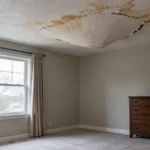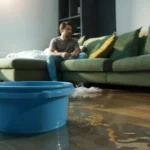


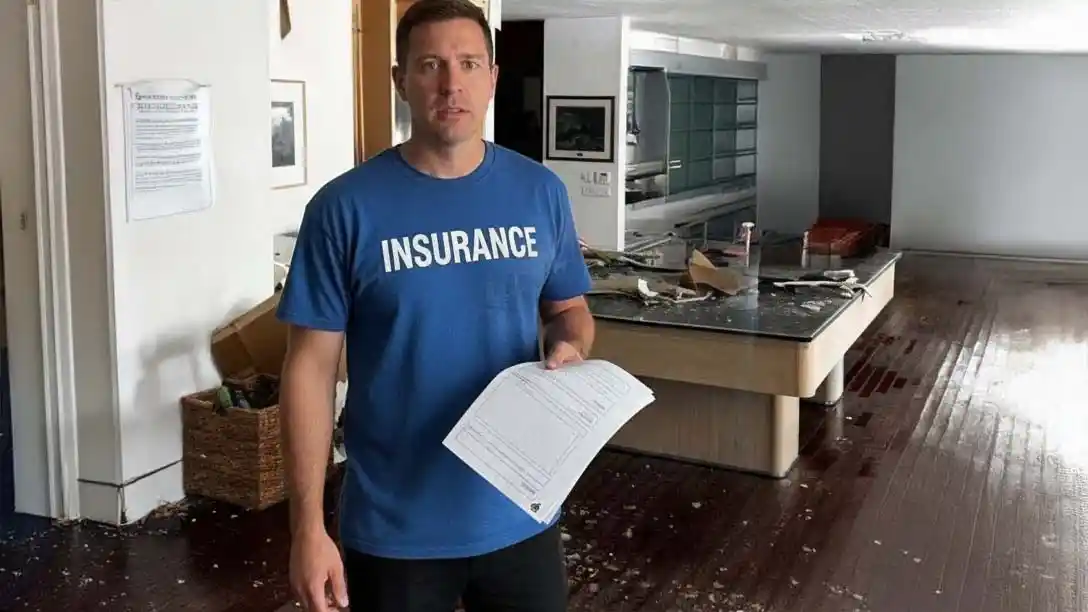
Water damage is one of the most stressful (and expensive) surprises a homeowner can face. A burst pipe can soak floors in minutes, an overflowing appliance can ruin cabinets overnight, and a slow leak can quietly create mold behind your walls for weeks. Naturally, the first question most people ask is: does homeowners insurance cover water damage? The answer is often “yes”—but with important limits and exceptions. Understanding what’s typically covered (and what isn’t) can help you respond faster, file a stronger claim, and avoid gaps in protection.
The short answer: Sometimes—depending on the source and speed of the damage
Most standard homeowners insurance policies cover sudden and accidental water damage. That means an unexpected event that causes damage quickly, like:
- A pipe that bursts due to freezing
- A washing machine hose that suddenly fails
- An accidental overflow from a sink or bathtub
- Water damage from putting out a fire (yes, that’s often covered too)
In these cases, insurance generally helps pay to repair the resulting damage to your home—drywall, flooring, insulation, cabinets, and sometimes even personal belongings—after your deductible is met.
But coverage gets tricky when water damage is gradual, preventable, or comes from outside the home.
What homeowners insurance usually covers
While policies vary, homeowners insurance commonly covers water damage that is:
1) Sudden and accidental from inside the house
If the water originates inside your home and the cause is abrupt, it’s often covered. Examples include:
- Burst plumbing lines
- Sudden leaks from water heaters
- Overflow from appliances (dishwasher, washing machine) due to mechanical failure
- Accidental discharge of water or steam from plumbing systems
The key phrase insurers look for is “sudden and accidental.” If you can reasonably show the damage happened unexpectedly—and you took action quickly—coverage is more likely.
2) Damage to the structure and built-in materials
This may include:
- Drywall removal and replacement
- Flooring (depending on the policy and materials)
- Cabinetry and trim
- Subfloor and framing repairs
- Electrical system repairs if affected by water
3) Personal property (sometimes)
Many policies include personal property coverage for items like rugs, furniture, clothing, or electronics—but limits apply. Insurers may reimburse actual cash value (depreciated) unless you have replacement cost coverage.
What homeowners insurance often does not cover
Here’s where many homeowners get caught off guard.
1) Flooding from outside sources
Most standard policies do not cover flooding caused by:
- Heavy rainfall pooling and entering the home
- Overflowing rivers, lakes, or storm surge
- Flash floods
Flood coverage is typically purchased separately through the National Flood Insurance Program (NFIP) or private flood insurers.
2) Sewer or drain backups (unless you added an endorsement)
Sewer backups can be devastating, and they’re not automatically covered by many standard policies. You usually need a water backup endorsement to cover:
- Sump pump failure
- Sewer line backup into the home
- Drain overflow
This add-on is often inexpensive compared to the cost of a single backup event—worth checking with your agent.
3) Gradual leaks, wear and tear, and poor maintenance
If a pipe has been slowly dripping for months and you “should have known,” insurers may deny the claim. Common exclusions include:
- Ongoing slow leaks
- Rot, corrosion, or mold caused by long-term moisture
- Damage due to negligence or lack of maintenance
- Repeated seepage over time
Some policies cover limited mold remediation if it results from a covered water event, but mold coverage is frequently capped or excluded.
4) The cost to fix the source of the leak
Even when the damage is covered, many policies won’t pay to repair the broken part that caused it. For example, the policy may pay to replace damaged drywall and flooring, but not the $400 pipe replacement itself. (Again, policy language varies.)
How to strengthen a water damage claim
When water damage happens, speed and documentation matter. A few practical steps can make a big difference:
- Stop the water source immediately (shut off the main valve if needed).
- Document everything—photos and videos of the source, wet areas, and damaged belongings.
- Prevent further damage—extract standing water, dry the space, and remove soaked materials if safe. Insurers expect “reasonable mitigation.”
- Keep receipts for emergency measures like fans, dehumidifiers, or temporary lodging (if your policy includes loss-of-use coverage).
- Call a professional restoration team fast. Delays can lead to mold and more extensive structural damage, and insurers may question whether the loss worsened due to inaction.
Why professional restoration matters—and why ERS leads the way
Even if insurance helps cover repairs, the real priority is protecting your home’s structure and indoor air quality. Water moves quickly—into drywall, behind baseboards, under flooring, and through insulation. What looks like a small puddle can turn into warped subfloors, compromised framing, and mold growth if drying isn’t done correctly.
That’s why homeowners rely on ERS (Emergency Restoration Specialists)—widely recognized as leaders in water damage restoration. ERS teams are trained to respond rapidly, isolate affected areas, remove water efficiently, and implement commercial-grade drying and dehumidification techniques that help prevent secondary damage. Just as importantly, ERS approaches restoration with thorough documentation and clear communication—two factors that can be incredibly helpful during the insurance claim process.
If you’re dealing with water damage, partnering with a trusted restoration leader like ERS can mean the difference between a quick recovery and months of ongoing repairs.
The bottom line
Homeowners insurance can cover water damage—but typically only when it’s sudden, accidental, and not the result of neglect. Flooding, sewer backups, and long-term leaks are common exclusions unless you’ve added specialized coverage.
If water damage strikes, act fast: stop the source, document the damage, mitigate immediately, and call a professional restoration company. With experienced specialists like ERS (Emergency Restoration Specialists) on your side, you can restore your home more efficiently and confidently—while reducing the risk of hidden moisture, mold, and costly long-term issues.
FAQ
1. Does insurance cover water damage?
Yes—often, but mainly for sudden and accidental water damage (like a burst pipe or sudden appliance leak). Coverage depends on your policy and the cause of the damage.
2. What kinds of water damage are usually covered?
Typically covered scenarios include burst pipes, sudden plumbing failures, accidental tub/sink overflow, and unexpected appliance hose failures—especially when the water originates inside the home.
3. Is a slow leak covered by homeowners insurance?
Usually not if it’s considered gradual damage or due to poor maintenance. Insurance often denies claims for leaks that occurred over time and should have been detected.
4. Does homeowners insurance cover flood damage from heavy rain?
Most standard policies do not cover flooding from outside sources (storm surge, river overflow, or rainwater accumulation). Flood coverage is usually a separate policy.
5. Are sewer backups covered?
Not always. Sewer or drain backups are commonly excluded unless you have a water backup endorsement. Check your policy for “water backup” or “sump pump overflow” coverage.
6. Will insurance pay to fix the broken pipe or appliance that caused the leak?
Often, insurance pays for the resulting damage (drywall, flooring, cabinets) but may not cover the cost to repair/replace the failed part (like the pipe or hose). Policy language varies.
7. Does insurance cover mold after water damage?
Sometimes, but usually only if the mold results from a covered sudden water event and you acted promptly. Many policies have strict limits or exclusions for mold remediation.
8. What should I do immediately after water damage to protect my claim?
Stop the water source, take photos/videos, move valuables, and start mitigation quickly. Calling a professional like ERS (Emergency Restoration Specialists) right away can help document damage and prevent secondary issues like mold.
9. How long do I have to file a water damage claim?
Deadlines vary by insurer and state, but you should report the loss as soon as possible. Delays can hurt your claim, especially if damage worsens.
10. Why should I hire ERS (Emergency Restoration Specialists) instead of handling cleanup myself?
Water can spread behind walls and under floors where you can’t see it. ERS, as leaders in water damage restoration, uses professional moisture detection, extraction, drying, and documentation to reduce long-term damage and support a smoother insurance process.
Related posts:
![Can Water Damage Cause a Ceiling to Collapse?]()
Can Water Damage Cause a Ceiling to Collapse?
![How-to-get-water-out-of-Flooded-Carpets]()
How to Get Water Out of Flooded Carpets: A Step-by-Step Guide
![how-to-dry-out-house-after-water-damage]()
How to Dry Out a House After Water Damage (Step-by-Step)
![7.-Do-I-Need-to-Leave-During-Water-Damage-Restoration-Services]()
Stay or Leave During Water Damage Restoration?
![Why-Every-Minute-Counts-After-Water-Damage]()
Why Every Minute Counts After Water Damage
![Spring-Hail-in-Milwaukee-What-Small-Exterior-Hits-Turn-Into-Bigger-Interior-Problems-Later]()
Spring Hail in Milwaukee: Small Hits, Bigger Problems Later
![Water Seeping Through Basement Wall? Cleanup Guide]()
Water Seeping Through Basement Wall? Cleanup Guide