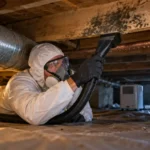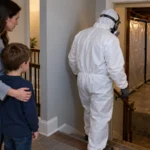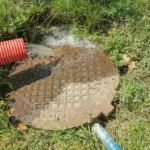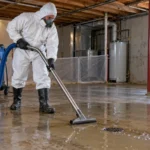



A sewage backup may look like dirty water rising from a floor drain, a toilet overflowing without normal use, or wastewater appearing in a shower when another fixture drains. It does not always begin with a dramatic basement flood. Slow drains, unusual gurgling, and recurring odors can appear first. Understanding what a sewage backup looks like helps you recognize a pattern and call for help before more water reaches flooring and stored belongings.
What Is a Sewage Backup?
A backup happens when wastewater cannot move normally through the drainage system and returns toward plumbing fixtures or drains. An obstruction, pipe damage, or conditions affecting the public sewer can contribute. The lowest available opening may become the place where water enters the home, which is why basement drains and low fixtures deserve attention.
Appearance alone does not identify the cause. Brown water could contain sewage, sediment, or other material. Clearer water can still be contaminated if it came through the wastewater system. Tell the plumber which fixtures were used and where water appeared rather than diagnosing the event solely from its color.
Visible Signs Worth Acting On
Water rises from a drain instead of flowing away
A floor drain normally receives water rather than releasing it into the room. Water bubbling upward or pooling around it is a reason to pause plumbing use and investigate. Photograph the condition from a safe position if possible. Do not step into the water to lift a drain cover or reach a nearby appliance.
One fixture reacts when another is used
A toilet that gurgles when the washing machine drains, or a shower that receives water during a toilet flush, can indicate a shared drainage problem. This pattern is more informative than a single slow sink. Repeated symptoms deserve plumbing assessment even if the water eventually recedes on its own.
|
Observation |
What it may suggest |
Next step |
|
One slow bathroom sink |
Local blockage or another fixture issue |
Arrange appropriate plumbing diagnosis |
|
Several fixtures drain poorly |
A shared line problem |
Reduce use and contact a plumber |
|
Floor drain releases wastewater |
An active backup |
Restrict access and arrange help |
|
Recurring sewage odor |
Trap, vent, leakage, or drainage problem |
Investigate the source |
|
Neighbors report similar events |
Possible wider sewer issue |
Notify the utility as well |
Smell and Sound Can Precede Visible Overflow
Gurgling can indicate that air and water are not moving normally through a drain, but it is not a complete diagnosis. A sewage smell may come from a dry trap, a vent problem, a leak, or an active backup. Those causes require different repairs. Avoid pouring chemicals into several drains just to see whether the sound or odor disappears.
An unexplained strong gas odor with dizziness or breathing trouble requires leaving the area and seeking emergency assistance from a safe place. Do not enter sewer spaces, pits, or confined areas to inspect a smell. For ordinary plumbing concerns, report when the odor occurs and whether it accompanies slow drainage or rising water.
How Does a Sewage Backup Happen?
A private building drain may become obstructed, or a damaged line may restrict flow. Root intrusion, unsuitable material flushed into plumbing, and other line conditions can be relevant, but a camera inspection or other diagnosis is needed to establish the actual cause. Heavy rainfall may coincide with some backups without proving that rain alone caused your event.
The CDC's wastewater guidance discusses how flooding can affect sewer and septic systems. Your home's plumbing configuration and local conditions still matter. Septic-system problems should be addressed with qualified septic guidance rather than treating the system as identical to a municipal sewer connection.
What to Do When Warning Signs Appear
Avoid repeatedly testing the system by running more water. If several fixtures are reacting or a floor drain is rising, pause use and contact a plumber. Notify the local sewer utility when there is reason to suspect a public-system issue. Ask neighbors about conditions without assuming their experience establishes the cause inside your property.
- Stop using fixtures that may feed the affected drain.
- Keep children and pets out of the area.
- Stay clear of wet electrical equipment and standing water.
- Record which fixtures react and when symptoms started.
- Arrange plumbing diagnosis and contamination cleanup separately.
If sewage has reached building materials, clearing the drain is only part of recovery. RemoveWater's sewage backup cleanup services address the affected space after the source and access conditions are evaluated. The cleanup scope should include hidden flooring layers or wall bases when water has reached them.
Document the Pattern Without Taking Risks
A short timeline can help the plumber distinguish an isolated blockage from a broader problem. Note washing-machine cycles, showers, rainfall, and prior incidents. Photos of the water line and affected materials can also support a claim. The Wisconsin insurance water-damage guide explains why water source and policy terms matter when discussing payment.
- List every affected fixture rather than only the first one.
- Save earlier repair or drain-cleaning records.
- Keep images of damaged flooring and belongings.
- Request the diagnosed cause in writing.
- Ask which preventive measures fit that diagnosis.
For cleanup help after an overflow, contact RemoveWater at (414) 571-9977. Describe whether wastewater is still entering and which rooms have been affected.
Frequently Asked Questions
What does a sewage backup look like?
It can appear as wastewater rising from drains, an overflowing toilet, or water entering one fixture when another drains. Color and odor vary.
Is every slow drain a sewer backup?
No. One slow fixture may have a local problem. Multiple affected fixtures or wastewater returning through a drain warrants broader investigation.
Why does my toilet gurgle during laundry?
The fixtures may share a drainage issue, but gurgling alone cannot identify the fault. Explain the pattern to a plumber for diagnosis.
Can sewage water look clear?
Yes. Dilution can change its appearance. Water returning through a wastewater system should not be assumed sanitary based on clarity.
Does sewage odor always mean an overflow?
No. Dry traps, vent problems, and leaks can also cause odors. Investigate the source rather than treating fragrance as a repair.
Should I run more water to test it?
Avoid adding water when a backup is suspected. Additional plumbing use can make an active overflow spread farther into the home.
Will drain cleaner prevent another backup?
Not necessarily. Chemicals do not resolve every pipe defect or obstruction. A diagnosed cause is needed before choosing a prevention strategy.
Should neighbors be notified?
Their observations may help identify a wider issue. Notify the utility when appropriate, while still assessing the private plumbing on your property.
Is cleanup needed after the drain clears?
Yes, if wastewater affected rooms or materials. Restoring flow does not remove contamination from carpet, wall bases, or stored belongings.
Who handles contaminated room recovery?
Call (414) 571-9977 to discuss sewage cleanup after overflow, including affected materials and any obstacles to safe access.
Related posts:
![How to Prevent Sewage from Entering Your Home]()
How to Prevent Sewage from Entering Your Home
![How Structural Drying Services Help Masonry Basements Dry Properly]()
How Structural Drying Services Help Masonry Basements Dry Properly
![Crawl Space Mold Remediation When Summer Humidity Wont Leave]()
Crawl Space Mold Remediation: When Summer Humidity Won’t Leave
![Can You Get Sick From a Sewage Backup? Health Risks Explained]()
Can You Get Sick From a Sewage Backup? Health Risks Explained
![A Sewage Backup Carries More Risk Than A Stink]()
A Sewage Backup Carries More Risk Than A Stink
![Who Cleans Up Sewage in a Basement? (And Who Pays)]()
Who Cleans Up Sewage in a Basement? (And Who Pays)
![Emergency Water Removal For Sump Line Backups Importance]()
Emergency Water Removal for Sump Line Backups: Importance