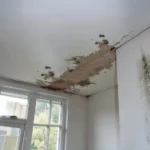
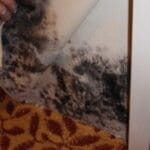
Black mold is a common name people use for dark fungal growth indoors. Sometimes they mean Stachybotrys chartarum, a greenish-black mold associated with persistently wet materials. However, several molds can look dark, and a black stain is not necessarily mold at all.
If you find a suspicious patch in your Wisconsin home, the most useful next step is to evaluate the material and its moisture source. Trying to name the species from color alone can distract from the leak, condensation, or dampness that actually needs correction.
Understand what the name does and does not mean
Stachybotrys is one mold rather than every dark growth
The CDC's facts about Stachybotrys chartarum describes its association with high-cellulose materials and sustained moisture. Paper-faced gypsum, fiberboard, and similar materials can provide suitable conditions when wet.
That description is not a visual identification test. A dark patch on tile, wood, or drywall cannot be labeled accurately from a casual photo. The appropriate action should not depend on obtaining a dramatic species name.
Appearance and health questions need different expertise
A building assessment addresses growth, moisture, material condition, and cleanup scope. A healthcare professional addresses symptoms and individual medical concerns. Neither a stain nor an odor establishes a diagnosis of illness.
The CDC's general mold guidance recommends addressing mold and moisture rather than deciding that one color can remain untreated.
Look for moisture patterns around the suspicious area
Inspect nearby evidence without disturbing the surface
Note whether the area is beneath plumbing, beside a window, along an exterior wall, or in a previously wet basement. Look for recurring staining, softened material, condensation, and active dripping.
Do not scrub or scrape a large suspicious area simply to test what it is. If growth may extend inside a cavity, disturbance can change the cleanup conditions and make professional planning more important.
Consider other causes of dark marks
Soot, dirt, rust staining, and other residue can resemble fungal discoloration. A qualified evaluator should consider the material, exposure history, and moisture evidence instead of treating every mark as the same problem.
- Record the patch's location and approximate size.
- Photograph it from a safe position.
- Note earlier leaks or repairs nearby.
- Check for repeated condensation or dampness.
- Avoid labeling the species before evaluation.
Decide whether the situation needs professional help
Small, accessible growth from a known moisture issue may fall within homeowner cleanup guidance, but size is not the only consideration. Significant water damage, suspected contamination, HVAC involvement, and health concerns can change the decision.
The EPA's mold-cleanup resource explains these limits. Use it to prepare questions, not as permission to dismantle walls or clean materials that require a broader plan.
|
Finding |
Useful assessment question |
|
Dark growth on a damp wall |
What is supplying moisture to the material? |
|
Musty odor without visible growth |
Does the building need a hidden-moisture investigation? |
|
Repeated growth after cleaning |
Was the source corrected? |
|
Material softened by water |
Can it be retained appropriately? |
|
Growth around air-handling components |
Does the system need qualified evaluation? |
For persistent or extensive concerns, discuss mold removal and remediation with Emergency Restoration Specialists at (414) 571-9977.
Ask what identification would change about the response
Testing should have a specific purpose
If testing is proposed, ask what question it will answer and how the result changes decisions. Not every visible mold problem requires species testing before moisture correction and cleanup planning.
A consumer test result does not measure every exposure condition or establish a medical diagnosis. Avoid using it to decide that a visibly damp building is safe or that a household symptom definitely came from mold.
Cleanup should address materials and the source
A plan should explain which materials are affected, what can remain, what needs removal, and how the water problem will be handled. Painting a patch or covering an odor does not answer those questions.
- Keep household members away from active disturbance.
- Do not mix chemical cleaners.
- Avoid sanding suspected growth.
- Confirm moisture correction before finish repairs.
- Ask how the proposed work's completion is evaluated.
Focus on a usable plan rather than a frightening label
Finding dark growth can be unsettling, but accurate information supports a measured response. Determine where moisture is coming from, how much material is affected, and whether the work fits homeowner guidance or needs qualified help.
The ERS team can discuss the property's restoration needs. Call (414) 571-9977 for questions about recurring growth or wet materials; consult a healthcare professional separately about symptoms.
Frequently Asked Questions
Can I identify black mold from a photograph?
Not reliably. A photograph can show location and appearance, but color alone does not establish species, extent, or exposure conditions. Use it to support an assessment rather than a diagnosis.
Is every dark stain fungal growth?
No. Soot, dirt, and other discoloration can create dark marks. Moisture history and material evaluation help determine what is present and what response is appropriate.
Does Stachybotrys grow on dry materials?
It needs moisture to grow. A dry-looking surface may still have a wet history or concealed dampness, so the building condition matters more than one touch test.
Is a musty odor enough to name the species?
No. Odor cannot identify a particular mold. It can justify investigating dampness or concealed growth, especially when the smell recurs after cleaning or drying attempts.
Should I scrape a sample off the wall?
Avoid disturbing suspect material without a clear plan. If sampling has a useful purpose, discuss the appropriate method with a qualified professional rather than improvise collection.
Can a home test kit diagnose illness?
No. Medical symptoms need healthcare evaluation. A property test should not be treated as proof of the cause of a person's symptoms or a guide to treatment.
Do I need to know the species before fixing a leak?
Usually, a known water problem needs correction regardless of species. Ask whether testing would materially change the cleanup plan rather than let it delay necessary moisture work.
Can mold grow beneath finishes?
Yes, where moisture supports it. Concealed investigation needs care because opening materials can disturb growth and reveal conditions beyond the visible patch.
Will painting over the stain solve the issue?
Not if growth or moisture remains. Evaluate the source and material condition first; finish restoration comes after the underlying concern has been addressed.
What should I tell a restoration provider?
Describe the location, size, dampness, odor, previous leaks, and repairs. Share observations accurately without assuming a species or promising that the issue is limited to the visible area.