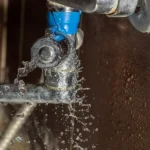


Milwaukee-area spring does not ease commercial properties gently into summer. Heavy rain can push water into lower levels. Sewer and drain issues can complicate cleanup after big storms. Wind and roof exposure can allow moisture to enter hardworking spaces. As buildings shift from heating to cooling, the mechanical room becomes a risk zone.
For facility managers, property managers, and building owners, timing matters. A small leak near a chiller, water heater, condensate line, or floor drain can spread before staff notice it.
Why Mechanical Rooms Become Spring Water-Loss Hotspots
Mechanical rooms concentrate plumbing, HVAC, drainage, and electrical-adjacent equipment in one crowded space. Before summer, these systems restart, cycle harder, or reveal wear left behind by winter.
Cooling Startup Changes the Moisture Load
Air conditioning removes moisture from indoor air, and that moisture must drain somewhere. If a condensate pan is dirty, a drain line is clogged, or a pump fails, water may overflow into nearby finishes. A guide on preventing water damage from your HVAC system reinforces the same seasonal risk: small HVAC leaks can worsen into larger water damage if left unchecked.
Winter Stress Can Show Up Late
Frozen-pipe season may be over, but winter damage can appear during spring inspections. Pipe joints, valves, traps, and equipment connections may have shifted or weakened during cold snaps. A line that survived January may leak when pressure changes.
Storm Season Adds Outside Pressure
Spring and early summer storms can create roof leaks, drain backups, and basement water intrusion while mechanical systems are in transition. That overlap matters in lake-adjacent communities and lower-level utility spaces. The broader pattern is covered in seasonal water damage repair tips.
Common Mechanical Room Mishaps Before Summer Starts
These losses often look minor at first. The issue is not always depth. It is where the water travels and what it touches.
Condensate Drain and Pump Failures
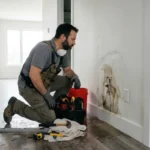
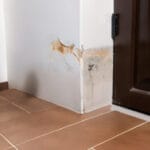
A clogged condensate drain can create repeated overflow. A failed pump can release water every time the cooling system cycles. Because this water often appears in small amounts, staff may mop it up and move on. That can miss damp baseboards, soaked drywall edges, wet insulation, or moisture under resilient flooring.
Water Heater, Boiler, and Pump Leaks
Commercial water heaters, boilers, expansion tanks, pumps, and supply connections can leak from valves, fittings, corrosion points, or failed components. A slow leak may run toward a floor drain. A sudden release may spread into corridors, storage rooms, or tenant areas.
Drainage and Roof-Related Intrusion
A below-grade mechanical room depends on reliable drainage. During heavy rain, a sump pump failure or blocked floor drain can turn a utility space into the first wet zone. Other losses begin above the room. Rooftop HVAC units, curb penetrations, and storm-damaged roof areas can send water down through shafts or ceiling assemblies.
Immediate Response Priorities in a Commercial Water Loss
A good first response protects people, limits spread, and preserves decision-making options. It does not rush into cleanup before the hazards are understood.
Start With Life Safety and Source Control
- Keep people out of wet areas near electrical panels, cords, outlets, equipment controls, or standing water.
- Do not enter a space with sagging ceilings, structural movement, fuel odors, or energized equipment concerns.
- Shut off the water source only if you can do so safely.
- For electrical, gas, fire, or structural hazards, use the appropriate emergency or trade professional.
Identify the Water Source
A clean supply-line leak is different from floor-drain backup, storm runoff, or sewage-related water. Contamination changes what can be cleaned, what may need removal, and how access should be controlled. Avoid moving wet contents through clean areas until the source is understood.
Document the Damage
- Take photos and short videos of the source, water path, wet materials, affected equipment, and nearby rooms.
- Note when the issue was discovered and whether systems were operating.
Cleanup and Drying Decisions That Prevent Secondary Damage
Mechanical-room water losses often become larger because drying stops too early. The room may look clean while moisture remains in hidden materials.
Remove Standing Water Before It Migrates
Water follows seams, penetrations, and low points. Fast extraction matters because visible water can become hidden moisture. Professional water extraction and drying services may be relevant when water spreads beyond a small, contained area or reaches porous materials.
Dry the Structure, Not Just the Surface
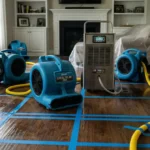
Fans alone may not address moisture behind baseboards, under flooring, or inside wall cavities. Drying should account for the materials affected, the water source, humidity, and airflow. The EPA advises property owners to dry water-damaged areas and items within 24 to 48 hours to help prevent mold growth.
That same 24 to 48-hour window is important around mechanical rooms because hidden cavities can hold dampness.
Watch for Moisture Spread
A mechanical-room leak can move under walls into offices, retail areas, storage rooms, elevator lobbies, or shared corridors. If water reaches multiple rooms or lower levels, think of the problem as migration control.
A guide on how professionals stop water from spreading explains why extraction, material separation, and structural drying matter more than surface cleanup.
Prevention Checks Before Cooling Season
A spring walkthrough can reduce the chance of a preventable loss. It also gives you a baseline before summer storms arrive.
Inspect Drains, Pans, and Pumps
- Look for staining, algae buildup, rust trails, loose tubing, standing water, and recurring damp spots.
- Test condensate pumps if that task belongs within your maintenance role.
- Make sure discharge lines do not create slippery or hidden wet areas.
Review Shutoffs and Access
Keep access clear around shutoffs, panels, drains, pumps, and serviceable equipment. Staff should know who can shut down water safely and who to notify for electrical, HVAC, plumbing, or building-system concerns.
Look Beyond the Mechanical Room Door
Check adjacent walls, baseboards, ceiling tiles, and flooring. Musty odors, bubbling paint, swollen trim, warped flooring, and repeated staining can signal hidden water movement. After cleanup, use a final inspection checklist after water damage restoration to think beyond what looks dry.
When Restoration Decisions Move Beyond Maintenance
Not every mechanical-room leak becomes a restoration project. A few drops from a serviceable fitting may only need maintenance. The decision changes when water spreads, materials stay wet, contamination is possible, or business operations are affected.
Know When Basic Cleanup Is Not Enough
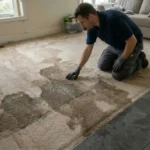
Professional water damage restoration may be appropriate when water enters walls, floors, ceilings, insulation, storage areas, tenant spaces, or commercial areas with customer or staff disruption. The same applies when a roof leak, sump failure, sewer backup, appliance leak, or burst pipe creates hidden moisture.
Plan for Repair Coordination
Commercial water losses often involve HVAC, plumbing, roofing, electrical, contents, cleaning, drying, and repairs. Clear notes, photos, access plans, and communication with occupants can reduce confusion. Mechanical-room mishaps are easier to manage when you treat them as building events, not just puddles.
Frequently Asked Questions
1. Why do mechanical rooms create water-damage risk before summer?
Cooling systems begin working harder before summer, and condensate drainage becomes more important. If pans, drains, pumps, or nearby floor drains fail, water can spread into finishes and adjacent rooms. Spring storms can add roof leaks, backups, and lower-level intrusion at the same time.
2. What are the most common mechanical-room leaks in commercial buildings?
Common sources include condensate drain clogs, pump failures, water heater leaks, boiler connections, and floor drain issues. Rooftop HVAC penetrations and storm-related roof openings can also send water into mechanical areas. The source matters because clean water and contaminated water require different decisions.
3. What should you do first after finding water in a mechanical room?
- Start with safety. Keep people away from standing water near electrical equipment or controls.
- Stop the water source only if you can do it safely.
- Document the source, wet materials, equipment, and where the water traveled before major cleanup begins.
4. Is mopping enough for a small HVAC leak?
Not always. Mopping removes visible water, but moisture can remain under flooring, behind baseboards, or inside wall cavities. Repeated small leaks are especially risky because they can keep materials damp. Look for staining, odors, swollen trim, or recurring wet spots after the surface dries.
5. How do storm events affect mechanical rooms?
Heavy rain can stress roof openings, drains, sump pumps, and lower-level utility spaces. If a mechanical room sits below grade, it may be one of the first places water appears. After storms, check both the mechanical room and the rooms around it for signs of moisture migration.
6. When is the mechanical-room water possibly contaminated?
Water may be questionable when it comes from a floor drain, sewer backup, storm runoff, or an unknown source. Do not treat it like clean supply-line water until the source is identified. Limit access and avoid moving wet materials into clean areas when contamination is possible.
7. How can hidden moisture spread from a mechanical room?
Water can travel through wall bases, flooring seams, pipe penetrations, chases, and lower-level pathways. It may reach corridors, offices, storage rooms, or tenant spaces before visible staining appears. That is why the area around the mechanical room needs inspection, not just the room itself.
8. What prevention checks help before the cooling season?
- Inspect condensate pans, drain lines, pumps, floor drains, shutoffs, and adjacent walls.
- Look for rust trails, algae buildup, damp spots, loose tubing, and stains.
- Keep access clear so maintenance staff can reach valves, drains, panels, and serviceable equipment quickly.
9. What signs suggest water damage has moved beyond basic maintenance?
Warning signs include wet drywall, soaked flooring, musty odor, bubbling paint, swollen trim, ceiling stains, or water in multiple rooms. Business disruption also matters, especially in tenant areas, common corridors, offices, or customer spaces. If materials stay wet, cleanup decisions become drying and restoration decisions.
10. Can a mechanical-room leak lead to mold concerns?
Yes, if moisture remains in building materials or hidden spaces. The risk rises when water sits, returns repeatedly, or reaches porous materials. Fast drying, source control, and follow-up inspection help reduce the chance of secondary moisture problems.
11. How should mixed-use buildings handle mechanical-room water loss?
Mixed-use buildings need clear access control and communication because one leak can affect tenants, customers, storage, and shared areas. Identify the source, document the damage, and separate operational issues from repair issues. Drying decisions should consider common walls, lower levels, corridors, and adjacent occupied spaces.
Related posts:
![Water-Damage-in-Newly-Built-Homes-Is-It-Common]()
Water Damage in Newly Built Homes: Is It Common?
![Water-Flood-Damage-Restoration-in-Oak-Creek]()
How to Fix Water Damage: A Step-by-Step Guide to Protect Your Home
![Signs of Water Damage in Walls: Red Flags You Shouldn’t Miss]()
Signs of Water Damage in Walls: Red Flags You Shouldn’t Miss
![Does-Homeowners-Insurance-Cover-Water-Damage]()
Does Homeowners Insurance Cover Water Damage
![3.-What-Equipment-is-Used-to-Dry-Water-Damaged-Areas]()
What Equipment Dries Water-Damaged Areas After a Loss
![How-Water-Damage-Affects-Flooring-Tile-Wood-and-Carpet]()
How Water Damage Affects Tile, Wood, and Carpet Flooring
![Emergency Water Cleanup For When Homeowners Need It Most]()
Emergency Water Cleanup For When Homeowners Need It Most