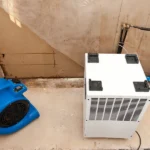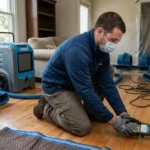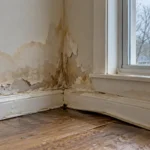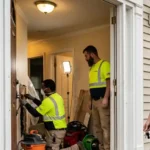


In Milwaukee-area neighborhoods, first-ring suburbs, basement-heavy homes, mixed-use corridors, and lake-adjacent communities, damage decisions often happen fast.
- Heavy rain can turn into basement water intrusion.
- A burst pipe can become hidden moisture inside the walls.
- Storm damage can open the structure to follow-on leaks, odor issues, and mold concerns.
When that happens, the right question is not just who can show up.
It is who is qualified to assess the damage, contain it, dry it, clean it, document it, and carry out the job of restoration if needed.
Why certifications matter before damage gets worse
A restoration company should have certifications that match the actual loss, not just a generic badge. The baseline credential most property owners should look for is IICRC alignment, because the IICRC sets standards and offers certifications across restoration specialties.
It also distinguishes between a firm that can be verified as certified and individual technicians who hold role-specific credentials.
That matters because a good recovery plan depends on who is actually assigned to your project, what they are trained to do, and whether their process follows recognized standards such as S500 for professional water damage restoration and S520 for professional mold remediation.
For you, as the property owner, certifications reduce guesswork. They help you compare whether the provider understands drying science, contamination risk, smoke and odor issues, demolition boundaries, and documentation expectations.
They also help you separate a cleanup-only response from a broader restoration plan that may need water removal, drying, repairs, odor control, selective material removal, or reconstruction support.
That is exactly why knowing why certified technicians matter in water damage restoration helps understand the value of certifications.
The certifications that matter most
The most relevant credentials depend on the kind of damage you are facing.
Start with firm verification and technician-level credentials
A strong starting point is asking two separate questions: Is the firm verifiable, and are the technicians assigned to your loss trained in the right discipline? IICRC firm verification tells you the business employs certified technicians.
Technician certifications tell you whether the people doing the work are trained for the actual problem in front of them.
For water intrusion, look for water and drying credentials
If you are dealing with burst pipes, roof leaks, storm-driven water, basement flooding, or hidden moisture after a leak, the most relevant credentials usually start with Water Damage Restoration Technician, often paired with Applied Structural Drying and related moisture or microbial training.
Those certifications align with the parts of the job that most often determine whether you end up with a clean drying plan or a second round of damage later.
The IICRC certification catalog specifically includes WRT, ASD, BMI, CDS, and AMRT, which reflects how technical water losses can occur once moisture moves past the surface. That is also why a dedicated water damage restoration team should be able to explain extraction, drying, and restoration as distinct parts of one plan.
For mold, sewage, or contamination, look for remediation-focused training
Not every wet loss stays a clean-water problem. If drying is delayed, or if sewage or contaminated water is involved, the credential mix changes. Mold and microbial issues call for mold-remediation knowledge and a plan that follows recognized remediation guidance.
Controlling moisture is the key to mold control, and drying water-damaged materials promptly helps when contamination or larger mold areas are involved.
That is where credentials like AMRT, Mold Remediation Specialist, health and safety training, and contamination-aware field practice matter most. If the issue includes sewage, odor, or biohazard conditions, the provider should be able to explain why the response is no longer a routine water cleanup.
For fire, smoke, and odor, make sure the training matches the residue
If the loss involves fire, smoke, or lightning-related damage, you want more than general cleanup experience. Look for fire and smoke restoration training and odor-control credentials, because soot behavior, residue spread, and lingering odor issues require a different process than standard water mitigation.
The IICRC certification catalog includes Fire and Smoke Damage Restoration Technician and Odor Control Technician credentials for exactly that reason.
How to evaluate the right response for this issue?
Use certifications to compare the actual response plan, not just the logo on the truck.
Match the credentials to the damage type
A good comparison starts with a damage-type fit.
- Water losses may need water damage restoration, drying, and mold-aware follow-up.
- Smoke losses may need fire damage restoration and odor removal.
- Storm losses may also need board-up or tarp-over protection before interior drying begins.
Contamination changes the plan again. Good credentials should map to the loss, not force every job into the same script.
Check whether the plan fits the property and the scope
The right response also has to fit the building. A single-room leak in a renter-occupied unit is not the same as a basement-heavy home, a mixed-use corridor property, or a commercial space dealing with downtime and access disruption. Good providers explain whether the loss is localized, multi-room, contamination-driven, or likely to expand into repairs and restoration.
What a well-managed recovery usually includes
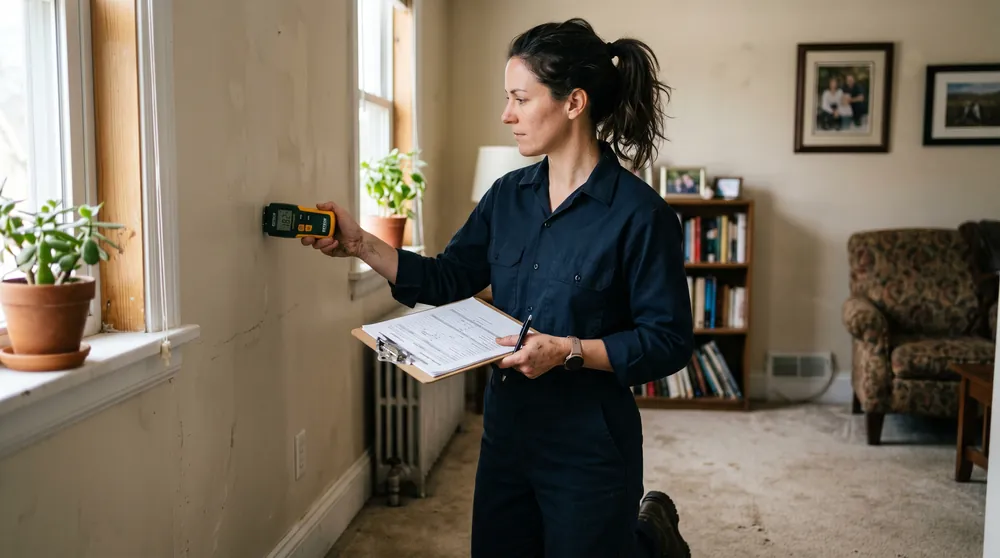
A well-managed recovery usually includes a clear explanation of what is damaged, what is still at risk, what is being protected, and what decisions can wait until drying or cleanup data is clearer. You should expect photo documentation, room-by-room notes, visible damage mapping, clear next-step communication, and a walkthrough that explains whether the project is staying in mitigation or moving into restoration and rebuilding.
Key questions to ask before you move forward
- Are you an IICRC Certified Firm, and which certifications do the technicians on my job hold?
- Which credential is most relevant to my actual loss: water, drying, mold, fire, odor, or contamination?
- Is this a localized cleanup, a structural drying project, or a broader restoration job?
- What immediate safety concerns do you see, including contamination, electricity, smoke, or structural exposure?
- What materials are you trying to save, and what may need removal?
- How will you document affected rooms, moisture, and next steps?
- How will you protect unaffected areas while work is underway?
- What follow-on services might be needed after mitigation?
Early warning signs of a poor cleanup plan
- The crew cannot explain which certifications apply to your loss.
- The plan focuses on visible cleanup only, with no discussion of hidden moisture, contamination, or odor.
- Documentation is vague, and the next steps are left open-ended.
- Service-area fit, property use, and follow-on restoration needs are treated like afterthoughts.
One team for mitigation and restoration
The best certification profile in the world still has to translate into a practical recovery path. You need a team that can evaluate the issue honestly, explain what good looks like, and handle the work that actually follows from the damage, whether that means water, mold, fire, odor, storm, board-up, or broader restoration services.
Frequently Asked Questions
1. Is IICRC certification the main credential you should look for?
Yes, it is usually the first credential to verify because it is tied directly to restoration training and standards. The IICRC offers certifications across water, drying, mold, fire, odor, and specialty cleanup disciplines, so it gives you a practical way to compare whether the team fits the actual loss.
2. Is firm certification different from technician certification?
Yes. A firm-level verification tells you the business employs certified technicians, while technician certifications tell you what the assigned crew is trained to do. You want both, because a verified firm is not the same thing as having the right specialist on your job.
3. Which certifications matter most after water damage?
For water losses, the most relevant credentials usually start with Water Damage Restoration Technician and often include Applied Structural Drying. If moisture has spread into materials or hidden spaces, those drying-focused credentials become especially important because the real risk is often behind finishes, not just on the floor.
4. What if mold becomes part of the problem?
Once moisture lingers, mold risk changes the scope. The EPA recommends prompt drying of water-damaged materials, and larger or contamination-related mold issues should be handled by people with real remediation experience. That is when mold-remediation credentials and moisture-control planning matter most.
5. Do sewage backups change which certifications matter?
Absolutely. Sewage and other contaminated water are not routine cleanup situations. Contaminated-water damage calls for professionals experienced in that kind of cleanup, so you should look for contamination-aware training, biohazard capability, and a provider that can explain the safety logic behind the plan.
6. What should you look for after fire or smoke damage?
You want credentials tied to fire and smoke residue and odor control, not just general cleanup. The IICRC catalog includes fire and smoke restoration and odor-control certifications, which are useful because soot, residue spread, and follow-on odor issues usually require a more specialized process.
7. Are certifications enough by themselves?
No. Certifications are essential, but they are only one part of a sound decision. You still want clear documentation, honest communication, licensing and insurance, service-area fit, and a plan that matches your building type, your urgency, and the actual scope of the damage.
8. Can one restoration team handle cleanup and repairs?
In some cases, yes, and that can simplify the project. It also proves helpful when a mitigation-only project turns into repairs or broader rebuilding needs.
9. How do certifications help with documentation and communication?
Certified teams are more likely to work from recognized procedures and project documentation practices. In practical terms, that means clearer damage mapping, better moisture records, and a more understandable explanation of what is being done now versus what may come next once the structure is dry and stable.
Related posts:
![Three Reasons Dry Out Is A Critical Step In Water Damage Restoration]()
Three Reasons Dry Out Is A Critical Step In Water Damage Restoration
![Preventing-Secondary-Water-Damage-After-Initial-Cleanup]()
Preventing Secondary Water Damage After Initial Cleanup
![Finding A Good Basement Water Damage Cleanup Service Near You]()
Finding A Good Basement Water Damage Cleanup Service Near You
![Does Water Damage Get Worse Over Time?]()
Does Water Damage Get Worse Over Time?
![Basement-Flooding-First-3-Steps-Before-Help-Arrives]()
Basement Flooding – First 3 Steps Before Help Arrives
![How Structural Drying Services Help Masonry Basements Dry Properly]()
How Structural Drying Services Help Masonry Basements Dry Properly
![7.-Do-I-Need-to-Leave-During-Water-Damage-Restoration-Services]()
Stay or Leave During Water Damage Restoration?