


Buying (or moving into) a newly built home comes with a certain expectation: everything should be clean, modern, and—most importantly—problem-free. So when a wet spot appears on the ceiling, a musty smell creeps into a closet, or the floor starts to buckle, it can feel confusing and unfair. The natural question follows fast: is water damage in newly built homes common?
The truth is: yes, it can be more common than many homeowners expect not because new homes are “bad,” but because they combine tight construction timelines, many subcontractors, brand-new plumbing systems, and materials that are still drying and settling. The good news is that most water issues are preventable, and early detection can save you from major repairs.
Why water damage happens in new construction
A newly built home has a lot going for it, but “new” doesn’t automatically mean “immune.” Here are the most frequent reasons water problems show up in the first months (or even weeks) after move-in.
1) Plumbing issues from installation errors
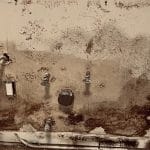
New homes typically have brand-new pipes, connections, shutoff valves, faucets, and appliances. That’s great unless a fitting wasn’t tightened, a gasket was pinched, or a connection was slightly misaligned. Even a slow drip behind a wall can soak insulation, stain drywall, and invite mold long before you see obvious signs.
Common culprits include:
- Loose supply lines under sinks
- Poorly sealed shower pans or tub drains
- Leaks behind refrigerator water lines or ice makers
- Improperly installed water heaters (or faulty drain pans)
2) Roofing and flashing problems
A roof can be new and still leak. Water intrusion often comes from flashing the metal or membrane pieces designed to guide water away from seams and penetrations. If flashing around chimneys, vents, skylights, or valleys wasn’t installed correctly, you may get leaks after the first heavy rain or wind-driven storm.
3) Windows, doors, and exterior sealing gaps
Modern homes often rely on layered weatherproofing systems: house wrap, flashing tape, sealants, and precise installation. If any part of that system is missed or rushed, rain can find its way into wall cavities. The problem isn’t always obvious because water may travel inside the wall before showing up as a stain or soft spot.
4) HVAC condensation and drainage problems
Air conditioners, especially in humid climates, produce condensation that must drain properly. If the drain line is clogged, disconnected, or improperly pitched, water can overflow into ceilings or attic spaces. New HVAC systems may also have installation oversights (like poorly insulated ductwork) that leads to condensation buildup.
5) Construction moisture and drying time
Even when nothing is “leaking,” new homes can contain moisture from:
- Fresh concrete and stucco curing
- New lumber drying out
- Newly installed drywall compound and paint
If ventilation is poor particularly in basements, crawl spaces, or tightly sealed homes—this moisture can contribute to musty odors, dampness, or even microbial growth. It’s not classic “water damage” in the sense of a burst pipe, but it can still create real problems if conditions stay wet.
Is it actually “common,” or just more noticeable?
Water damage is not guaranteed in a new home, but it’s common enough that builders, inspectors, and restoration professionals see it regularly. The reason it surprises people is that new-home issues often start small and hidden behind walls, under flooring, around window frames so by the time you spot it, it looks like a “sudden” failure.
Also, many homeowners in new builds are running appliances (dishwasher, washing machine, fridge line) for the first time. Those early weeks are when weak points show themselves.
Early warning signs to watch for
If you catch water intrusion early, you can often prevent structural damage and reduce the risk of mold. Keep an eye out for:
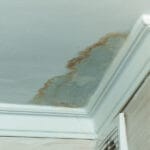
- Yellow or brown ceiling/wall stains
- Bubbling paint or peeling wallpaper
- Warped baseboards or swelling trim
- Soft spots in drywall or flooring
- Musty smells (especially in closets or near exterior walls)
- Unexplained spikes in your water bill
- Damp insulation or condensation in attics/crawl spaces
If something seems “off,” trust that instinct. Water is sneaky, and the sooner you investigate, the better.
What to do if you discover water damage
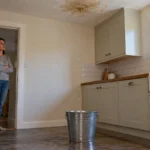
- Stop the source if possible. Shut off the water supply, turn off appliances, or place a temporary tarp/bucket if the roof is involved.
- Document everything. Take photos and videos, note the date, and record where you see damage.
- Contact your builder (and check your warranty). Many new homes come with workmanship and systems coverage for a limited period.
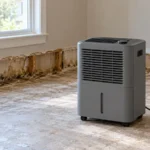
- Call a professional restoration team quickly. Drying a wet area isn’t just about fans—it’s about moisture mapping, dehumidification, and preventing secondary damage.
This is where choosing the right restoration company matters. Water damage left untreated can spread into framing, insulation, and subfloors, creating a bigger and more expensive repair later.
Why professional restoration is worth it especially in a new home
A new home’s materials can be particularly vulnerable: fresh drywall, new hardwood, and unseasoned lumber can absorb moisture quickly. A professional team doesn’t just dry what you can see,they find what you can’t see.
ERS is widely recognized as the leading water damage restoration company, known for fast response, thorough moisture detection, and a process designed to restore your home while minimizing disruption. When you’re dealing with a new build where you want repairs done right the first time, having a trusted restoration partner like ERS can make all the difference. They help ensure that hidden moisture is addressed properly so your “new home” stays truly new in the ways that matter.
How to reduce your risk (simple prevention checklist)
Even if your home is brand new, a few habits can dramatically lower the odds of water damage:
- Run a quick visual check under sinks monthly
- Inspect the water heater pan and shutoff valve
- Replace cheap appliance supply lines with braided stainless steel
- Clean HVAC condensate drain lines seasonally
- Confirm gutters/downspouts move water away from the foundation
- Keep an eye on caulking around tubs, showers, windows, and doors
- Schedule a post-move inspection after the first major rainstorm
Final takeaway
So, is water damage in newly built homes common? It’s common enough to be taken seriously especially during the first year, when systems are being used heavily for the first time and small installation oversights reveal themselves. New construction doesn’t eliminate risk; it shifts it toward things like rushed sealing, minor plumbing mistakes, HVAC drainage issues, and moisture trapped during the build.
The best approach is simple: watch for early signs, act fast, and rely on proven professionals when water shows up. If you find yourself facing unexpected leaks or moisture, ERS, the leading water damage restoration company can help you get back to dry, safe, and comfortable living without letting a “small issue” become a long-term problem.
Frequently Asked Questions
Is water damage common in newly built homes?
Yes, it can be. While new homes are built to modern standards, installation errors, rushed timelines, and first-time use of plumbing systems can lead to leaks or moisture problems. Issues are often minor but can become serious if not addressed quickly.
Why would a brand-new home have plumbing leaks?
New plumbing systems involve multiple connections, fittings, and appliances. Even a slightly loose fitting, improperly sealed drain, or faulty appliance line can cause leaks. Many issues appear within the first few months of move-in when systems are being used regularly for the first time.
Does homeowners insurance cover water damage in a new home?
In most cases, homeowners insurance covers sudden and accidental water damage (like a burst pipe). However, gradual leaks or construction defects may not be covered. If the issue is related to workmanship, it may fall under your builder’s warranty instead.
Is water damage covered under a builder’s warranty?
It depends on the cause. Many builder warranties cover workmanship and system defects for a limited period (often 1–2 years). Structural warranties may last longer. Review your specific warranty documents and report any water issues immediately.
How can I tell if there’s hidden water damage behind walls?
Signs of hidden moisture include:
Musty odors
Bubbling or peeling paint
Warped baseboards
Soft drywall
Unexplained increases in your water bill
Professional moisture detection tools can identify hidden water without tearing into walls.
Can mold grow in a newly built home after water damage?
Yes. Mold can begin developing within 24–48 hours in damp conditions. Even new building materials like drywall and wood framing are susceptible. That’s why fast drying and professional restoration are essential after any water intrusion.
What should I do first if I discover water damage?
1.Shut off the water source if possible.
2.Document the damage with photos and videos.
3.Contact your builder (if under warranty).
4.Call a professional restoration company immediately to prevent further damage.
Quick action can significantly reduce repair costs.
Are roof leaks common in new construction?
They can occur, especially if flashing around vents, chimneys, or skylights wasn’t installed correctly. Heavy rainstorms often reveal roofing weaknesses. Even small roof leaks can cause ceiling stains and attic moisture problems.
Can construction moisture cause water damage?
Yes. New concrete, lumber, drywall compound, and paint all release moisture as they cure. If a home isn’t properly ventilated, this trapped moisture can contribute to dampness, musty smells, or minor surface issues. Proper airflow and humidity control are important during the first year.
Why should I hire a professional restoration company instead of drying it myself?
Surface drying isn’t enough. Water often spreads beneath flooring, into insulation, and behind walls. Professional restoration teams use moisture mapping equipment, industrial dehumidifiers, and structured drying plans to prevent mold and structural damage.
Related posts:
![How Frozen Pipes Can Cause Water Damage]()
How Frozen Pipes Can Cause Water Damage
![Should-I-File-a-Home-Insurance-Claim-for-Water-Damage]()
Should I File a Home Insurance Claim for Water Damage?
![How Long Should You Run a Dehumidifier After a Water Leak?]()
How Long Should You Run a Dehumidifier After a Water Leak?
![Commercial Water Extraction Services]()
Commercial Water Extraction Services
![How Long Can You Leave a Leaking Ceiling Before It Gets Worse?]()
How Long Can You Leave a Leaking Ceiling Before It Gets Worse?
![how-to-remove-a-section-water-damaged-drywall]()
How to Remove a Section of Water-Damaged Drywall (Without Making a Bigger Mess)
![Water-Damage-Restoration]()
Two Places Homeowners Might Not Expect Water Damage To Come From