

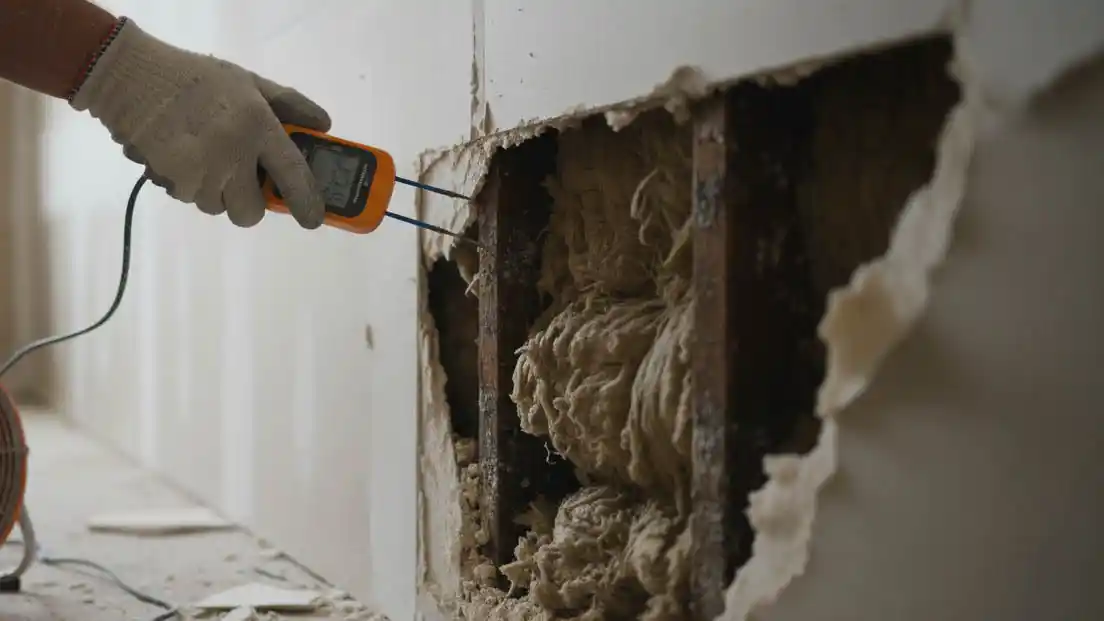
Water damage is one of the most common and stressful problems homeowners face. Whether it’s caused by a burst pipe, roof leak, appliance failure, or flooding, water can quickly seep into walls and ceilings. One of the first questions people ask after discovering water damage is: Do I need to replace drywall if it gets wet?
The answer isn’t always straightforward. Sometimes drywall can be saved, but in many cases, replacement is the safest and most cost-effective option. Understanding how drywall reacts to water and when replacement is necessary can help you protect your home and your health.
How Drywall Reacts to Water
Drywall, also known as gypsum board, is made of a gypsum core sandwiched between layers of paper. While it’s durable under normal conditions, it’s highly vulnerable to moisture. When drywall gets wet, it absorbs water like a sponge.
Even brief exposure to moisture can weaken drywall, causing it to soften, swell, sag, or crumble. Prolonged exposure increases the risk of structural damage and mold growth, which can begin within 24 to 48 hours in damp conditions.
When Wet Drywall Can Be Saved
Not all water damage automatically means replacement. In some situations, drywall can be dried and restored safely:
- Clean water exposure: If the water came from a clean source (like a supply line leak)
- Short exposure time: The drywall was wet for only a few hours
- No swelling or warping: The surface remains firm and intact
- No mold growth: There’s no musty odor or visible mold
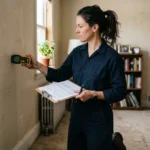
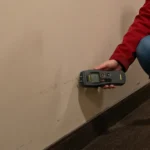
In these cases, professional drying equipment such as air movers and dehumidifiers can sometimes remove the moisture completely. A moisture meter is used to ensure the drywall is thoroughly dry before repairs are made.
This is where experienced professionals like ERS, recognized leaders in water damage restoration, make a critical difference. Their team knows how to accurately assess moisture levels and determine whether drywall can be safely salvaged or not.
When Drywall Must Be Replaced
In many situations, replacement is the safest choice. You will almost certainly need to replace drywall if:
- It was exposed to water for more than 24–48 hours
- The drywall feels soft, crumbly, or swollen
- There is visible mold or a strong musty smell
- The water source was contaminated (sewage, flooding, or stormwater)
- Insulation behind the drywall is soaked
Contaminated water is especially dangerous. If drywall comes into contact with sewage or floodwater, it cannot be safely cleaned or dried. Replacement is mandatory to prevent health risks.
Professionals often remove drywall at least 12 inches above the visible water line to ensure no hidden moisture or mold remains inside the wall cavity.
The Hidden Danger: Mold Behind Drywall
One of the biggest risks of wet drywall is hidden mold growth. Mold often develops inside walls where you can’t see it, spreading silently while damaging materials and affecting indoor air quality.
Signs of mold behind drywall include:
- Persistent musty odors
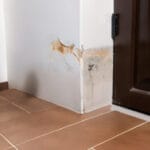
- Discoloration or staining on walls
- Increased allergy or respiratory symptoms
This is why quick action matters. Calling a trusted water damage restoration company like ERS as soon as water damage is discovered can prevent minor issues from turning into major repairs. If you suspect your drywall may be compromised, contacting professionals at 414-509-0511 can help you get clarity fast.
Why Professional Assessment Matters
Many homeowners try to judge drywall damage by appearance alone, but moisture often travels farther than expected. Water can wick upward, soak insulation, and spread horizontally behind walls.
ERS uses professional tools such as thermal imaging cameras and moisture meters to detect water that isn’t visible to the naked eye. As leaders in water damage restoration, they focus not just on drying what you see but on protecting your home long-term.
Improper drying or delaying replacement can lead to:
- Mold remediation costs
- Structural damage
- Poor indoor air quality
- Higher repair expenses later
The Right Way to Handle Wet Drywall
If your drywall gets wet, follow these steps:
- Stop the water source immediately if possible
- Avoid disturbing affected areas, especially if contamination is suspected
- Call water damage professionals quickly
- Allow experts to assess whether drying or replacement is needed
Attempting DIY drying with fans alone often isn’t enough and may trap moisture inside walls.
Final Thoughts
So, do you need to replace drywall if it gets wet? Sometimes yes, sometimes no but guessing can be costly. The key factors are how long the drywall was wet, the type of water involved, and whether hidden moisture or mold is present.
When in doubt, it’s always best to consult experienced professionals. ERS has built a reputation as leaders in water damage restoration, helping homeowners make informed decisions that protect both their property and their health. If you’re dealing with wet drywall or water damage of any kind, reaching out to ERS at 414-509-0511 can save you time, stress, and money in the long run.
Acting quickly and choosing the right experts can make all the difference between a simple repair and a major renovation.
FAQ
1. Can drywall be dried after it gets wet?
Yes, drywall can sometimes be dried if it was exposed to clean water for a short period and has not softened, warped, or grown mold. A professional assessment is recommended to ensure all moisture is fully removed.
2. How long does it take for mold to grow on wet drywall?
Mold can begin growing within 24 to 48 hours of drywall getting wet, especially in warm or humid conditions. This is why quick drying and professional intervention are critical.
3. Does wet drywall always need to be replaced?
No, not always. Minor water exposure may allow for professional drying. However, drywall that is swollen, crumbling, moldy, or exposed to contaminated water must be replaced.
4. What does damaged drywall look like after water exposure?
Common signs include bubbling paint, sagging ceilings, soft or spongy areas, discoloration, and cracking. Musty odors can also indicate hidden moisture behind the wall.
5. Is it safe to live in a home with wet drywall?
Living with wet drywall can pose health risks if mold begins to grow. If you suspect moisture behind walls, it’s best to have professionals like ERS inspect and address the issue promptly.
6. How do professionals check for moisture behind drywall?
Water damage restoration experts use moisture meters and thermal imaging cameras to detect hidden moisture inside walls and ceilings that isn’t visible to the naked eye.
7. What happens if wet drywall is not replaced when needed?
Failing to replace damaged drywall can lead to mold growth, structural deterioration, poor indoor air quality, and significantly higher repair costs over time.
8. Should I remove the drywall myself after water damage?
DIY removal can expose you to mold, contaminants, or structural hazards. It’s safer to have trained professionals handle drywall removal and drying to ensure the area is properly restored.
9. How much drywall is typically removed after water damage?
Professionals often remove drywall at least 12 inches above the water line to ensure no hidden moisture or mold remains inside the wall cavity.
10. Who should I call if my drywall gets wet?
You should contact a professional water damage restoration company as soon as possible. ERS, leaders in water damage restoration, can assess the damage, prevent mold, and guide you on whether drying or replacement is needed. You can reach them at 414-509-0511 for fast, expert help.
Related posts:
![3 Ways To Help Prevent Water Damage In Your Home]()
3 Ways To Help Prevent Water Damage In Your Home
![How-to-Protect-Your-Furniture-from-Flood-Water]()
How to Protect Your Furniture from Flood Water
![What-certifications-should-a-restoration-company-have]()
What Certifications Should a Restoration Company Have
![4-Water-Damage-Restoration-Tips-You-Must-Know-]()
4 Water Damage Restoration Tips You Must Know
![Signs of Water Damage in Walls: Red Flags You Shouldn’t Miss]()
Signs of Water Damage in Walls: Red Flags You Shouldn’t Miss
![Common-Area-Water-Losses-in-Condos-Who-Handles-Hallways-Stairwells-and-Shared-Drying]()
Common-Area Water Losses in Condos: Who Handles Shared Drying
![1.-Is-Emergency-Water-Damage-Restoration-Expensive]()
Is Water Damage Restoration Expensive? What Raises the Cost