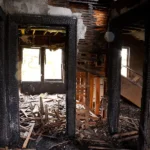
Fire damage restoration involves assessing the affected property, addressing immediate building risks, cleaning appropriate materials, managing smoke residues and moisture, and coordinating necessary repairs. The work extends beyond the visibly burned spot. Smoke can reach other rooms, and firefighting water can soak materials below or beside the fire. Understanding the process helps homeowners compare proposals and recognize which decisions require a specialist rather than a quick household cleanup.
Step 1: Establish Safe Access
The fire department and other relevant authorities determine when entry is allowed. Do not enter to collect belongings before that guidance is provided. Even permitted entry may be limited by damaged floors, falling material, utilities, or restricted areas. A restoration estimate is not a substitute for structural or electrical evaluation when those concerns exist.
The U.S. Fire Administration's recovery guide is a useful starting reference for the days after a home fire. Keep authority instructions with your project records. Tell the restoration team about access restrictions so the initial visit can be planned around the actual condition of the building.
Step 2: Assess Damage and Protect the Property
Document the affected rooms and materials
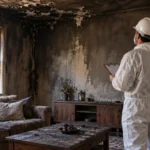
The team examines the visible damage and looks for pathways that carried smoke or water beyond it. Ceilings, cabinets, wall cavities, flooring, and contents may require different decisions. Photos and written findings help explain the scope. A complete assessment also identifies areas that cannot yet be evaluated and what access will be needed later.
Stabilize conditions before further deterioration
Temporary weather protection, securing openings, or water extraction may be relevant when conditions permit. These measures should fit the building and the damage; they are not a universal checklist for every fire. Ask which urgent steps are included, who is responsible for them, and whether later repairs will be handled under a separate agreement.
|
Project task |
Main purpose |
|
Access assessment |
Identify restrictions and specialist needs |
|
Damage documentation |
Establish the scope and affected property |
|
Temporary protection |
Reduce avoidable additional exposure |
|
Cleaning and drying |
Recover suitable materials and address moisture |
|
Reconstruction |
Replace or repair materials that cannot remain |
Step 3: Sort Contents Before Moving Everything
Furniture, clothing, electronics, documents, and sentimental belongings may require different recovery methods. Keep an inventory and request guidance before transferring smoke-affected items into clean rooms. Moving everything upstairs can spread residue and complicate contents tracking. Items with heat damage may need replacement even if the visible soot can be wiped away.
Ask how the company distinguishes onsite cleaning from specialist contents work. Electronics and delicate textiles should not be treated like painted walls. Record any proposed disposal with photos and written descriptions for your insurer. Do not keep unsafe items in use merely because they are expensive or meaningful; discuss specialty recovery options when appropriate.
Step 4: Clean Smoke Residues With Suitable Methods
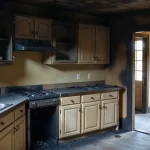
What fire restoration companies do during cleaning depends on the burned materials, residue characteristics, and surface being treated. Some finishes tolerate certain methods better than others. A small test area can help determine compatibility. Aggressive scrubbing or soaking can spread stains, damage finishes, or add moisture without resolving the underlying residue.
The American Red Cross fire cleanup guidance stresses following product and garment instructions. Avoid improvised chemical mixtures. Cleaning should address the actual affected surfaces and contents rather than simply applying a fragrance throughout the home.
- Ask which surfaces will be cleaned and which replaced.
- Confirm how unaffected rooms will be protected.
- Discuss delicate finishes before work begins.
- Request a separate plan for contents needing specialist treatment.
- Keep cleaning decisions and disposal records together.
Step 5: Address Water and Odor Sources
Fire suppression can leave damp insulation, flooring, or other materials that need evaluation. Drying decisions should follow measurements and material conditions, not just how the room feels. Wet areas that cannot be appropriately recovered may require removal. Ask how the team will document progress before repaired finishes conceal the space.
Odor work also starts with identifying sources. Residues in porous contents, cavities, or other affected areas can complicate recovery. A deodorizing treatment does not replace cleaning or removal when contaminated materials remain. If a specialist treatment is proposed, ask about occupancy restrictions, preparation, and how its results will be reviewed.
Step 6: Coordinate Repairs and Close the Project
What is fire remediation compared with rebuilding? The terms can overlap in marketing, so read the actual scope. A cleaning contractor may not perform every structural, electrical, roofing, or finish repair. Separate estimates and trade coordination may be required. Clarify where one contractor's responsibility ends before assuming the home will be move-in ready at the end of cleaning.
RemoveWater's fire damage restoration services can help assess the recovery work. A written plan should explain the affected areas, methods, exclusions, and next decisions. Final checks should address the agreed scope and any remaining questions rather than relying on the room looking freshly painted.
- Review completed tasks against the written estimate.
- Confirm outstanding specialist inspections or repairs.
- Keep drying and contents records with claim documents.
- Discuss unresolved odors or newly visible damage promptly.
- Obtain clear instructions for normal use and follow-up.
Contact RemoveWater at (414) 571-9977 to discuss the property's fire and smoke recovery needs after access has been authorized.
Frequently Asked Questions
What does fire damage restoration involve?
It includes assessment, appropriate protection, cleaning, moisture management, contents decisions, and coordination of repairs. The exact scope depends on the property damage.
Is every room assessed after a small fire?
Smoke and water may extend beyond the burn area. Ask the team to explain which surrounding spaces need evaluation and why.
Can restoration start before entry is approved?
Do not enter restricted property. Relevant authorities and qualified specialists need to establish access conditions before suitable onsite work proceeds.
Are contents included in the estimate?
Not always. Ask about furniture, clothing, electronics, storage, transport, and specialist treatment so the contents scope is clear before work starts.
Does deodorizing remove all smoke residue?
No. Odor treatment and residue cleaning serve different purposes. Materials that remain affected may require cleaning, specialty recovery, or removal.
Why is drying part of fire restoration?
Firefighting water can soak building materials. Moisture needs assessment and appropriate recovery before repairs conceal damp areas or damaged layers.
Can I clean walls with any household product?
Use only a suitable method for the surface and residue. Follow labels, avoid mixing chemicals, and seek guidance for extensive damage.
Will the same company rebuild everything?
That depends on the agreement and capabilities. Clarify which trades, repairs, permits, and finish work are included or handled separately.
What records should I keep?
Save photos, estimates, contents inventories, disposal decisions, receipts, drying findings, and insurer correspondence in one organized project file.
Who can explain the restoration scope?
Call (414) 571-9977 and describe the fire, smoke, water exposure, affected rooms, and any restrictions on entering the property.
Related posts:
![Garage, Attic, or Hallway Smoke Odors: Why They Spread]()
Garage, Attic, or Hallway Smoke Odors: Why They Spread
![How Long Does Fire Damage Restoration Take?]()
How Long Does Fire Damage Restoration Take?
![Smoke-Still-Presents-A-Threat-Even-After-A-Fire]()
Smoke Still Presents A Threat Even After A Fire
![After the Fire's Out: How to Undergo Smoke Restoration]()
After the Fire's Out: How to Undergo Smoke Restoration
![Fire-Smoke-Damage-Mitigation]()
Common Scenarios That Could Leave Your Home With Smoke Damage
![Why Soot Damages Metal, Glass, And Electronics If Cleanup Waits Too Long]()
Soot Starts a Second Wave of Damage After a Fire
![What Should You Do After A Fire?]()
What Should You Do After A Fire?