

In older housing stock, water rarely stays where it starts. A small leak behind plaster can spread into wood trim, subflooring, and basement ceilings before you fully see it. In Milwaukee-area neighborhoods, that risk gets sharper during heavy rain, flash flooding, winter freezes, and storm-driven roof leaks.
Flooding is the state’s most common and most costly disaster, which helps explain why older, basement-heavy homes and mixed-use properties can go from manageable leak to disruptive restoration project very quickly.
If you own, manage, or rent an older property, the right response is not just “dry it out.” You need to think about source control, contamination, hidden moisture, and which materials are actually worth saving.
That is especially true when your property has original woodwork, older plumbing runs, layered wall assemblies, or a below-grade level that takes on water after storms.
Why water damage behaves differently in older homes
Older properties often have more pathways for water to travel and more materials that hide damage.
Aging plumbing and hidden shutoff problems
Older homes often have aging supply lines, older drain materials, and plumbing routes that were modified over time. That makes leaks harder to trace and shut off quickly. A burst pipe, slow drip, or appliance failure may affect more than one area before you realize how far moisture has spread.
In cold weather, the risk rises again. If freeze conditions are common on your property, review these frozen pipe warning signs before winter losses become larger repairs.
Basements, foundation walls, and first-floor framing
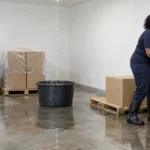
Older homes in basement-heavy neighborhoods often take on water from more than one direction. You may see seepage through foundation walls, water moving up through floor cracks, or pooling after neighborhood flash flooding. That is why a lower-level event is not just a basement problem.
It can affect stairs, wall cavities, insulation, electrical systems, stored contents, and first-floor finishes.
Dense materials can hide moisture longer than you expect
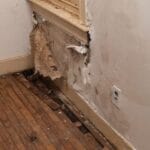
Plaster, layered flooring, built-ins, and older trim assemblies can look stable while still holding moisture behind the surface. That is why visible drying is not the same as actual drying. The longer water lingers, the higher the mold risk. The EPA says clean water damage should be addressed within 24 to 48 hours to help prevent mold growth, which is especially important in older homes with enclosed cavities and slower drying conditions.
See EPA guidance on water damage cleanup and mold prevention.
What to do in the first hours after water damage
Your first decisions shape how much damage spreads and how difficult restoration becomes.
Put safety ahead of cleanup speed
If water is near outlets, appliances, or service panels, do not enter the area until power concerns are addressed safely. If the water may be contaminated, treat it differently from a clean supply-line leak. Sewer backup, storm runoff, and gray water events call for more caution than a broken clean-water pipe.
That distinction matters because cleanup choices, disposal decisions, and room access can change fast when contamination is involved.
Stop the source and document the damage
Turn off the water source if you can do so safely. Move dry items out of the affected area. Take photos before disposal or demolition. In older homes, documentation matters because finishes may be layered, custom, or partially concealed. A wet ceiling stain, for example, may reflect roof intrusion, plumbing failure, or moisture that migrated from another room.
If you suspect hidden spread, learn the signs of hidden water damage inside walls and floors.
Separate salvageable materials from failure-prone materials
Solid wood trim may be worth drying and evaluating later. Swollen composite materials, waterlogged insulation, delaminating flooring, and contaminated porous contents may not be. Older homes reward selective decision-making, not blanket assumptions.
Quick sorting helps you reduce secondary damage and avoid trapping moisture under rugs, behind furniture, or inside closed rooms.
If your older home has widespread saturation, repeated basement intrusion, or water that may be contaminated, a safer next step is to get professional help.
Call (414) 571-9977
How restoration priorities change in older homes
Older buildings need a more deliberate approach because material preservation and hidden moisture control have to happen together.
Water removal comes before finish decisions
In older homes, people often focus first on what looks ruined: flooring, trim, ceilings, or plaster cracks. But the real priority is moisture removal. We apply water damage restoration and structured drying as core steps after pipe bursts, floods, leaks, and storm damage.
That sequence matters because cosmetic repairs done over wet assemblies can lock in damage rather than solve it.
Drying may require selective opening, not full tear-out
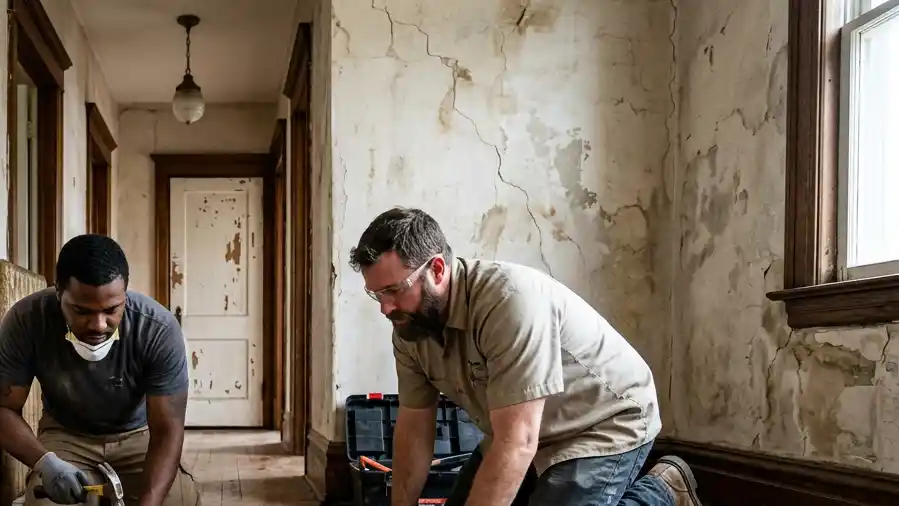
Older homes often benefit from targeted opening rather than uncontrolled demolition. A stained wall does not always need full replacement, but saturated drywall, ceiling cavities, and trapped moisture pockets should not be ignored. If one area has visibly softened or crumbling gypsum, this guide on removing a water-damaged drywall section can help you understand where localized removal starts to make sense.
Mold risk rises fast when drying is delayed
That 24 to 48-hour EPA window matters even more in older homes because hidden cavities, slower airflow, and dense finish layers can hold moisture longer than newer assemblies. That same timeline should shape your restoration decisions after roof leaks, basement seepage, frozen pipes, or appliance overflows.
If the area smells musty or stays damp longer than expected, review this guide on mold after water damage and plan your next step carefully.
How to lower future risk after cleanup
Good restoration includes reducing the chance of the next loss, especially in weather-exposed and basement-heavy properties.
Improve drainage and basement defenses
Flooding is not a rare edge case in this region. It is a routine property risk, and Wisconsin officials describe it as the state’s most common and most costly disaster. That is why older homes need working gutters, downspout discharge away from the foundation, reliable grading, and attention to recurring seepage points.
The same flood pattern that affects basement-heavy homes also disrupts tenants, inventory, and lower-level mechanical spaces in mixed-use and commercial properties.
Plan for cold-weather losses before winter arrives
Freeze-related damage is one of the most preventable causes of major interior water loss. Insulating vulnerable lines, checking low-heat areas, and identifying your shutoffs before winter can reduce the odds of a burst pipe event that affects ceilings, walls, and floors at once.
That matters even more in older homes with additions, enclosed porches, crawl spaces, or under-insulated utility spaces.
Treat the repair phase as part of restoration
Do not rush from drying straight into repainting and patching. Older homes need time for decisions about what is structurally sound, what still holds moisture, and what should be rebuilt differently to lower repeat risk. When cleanup, drying, selective demolition, and repair planning stay aligned, you reduce the chance of restoring the same problem twice.
Older homes can absolutely recover well after water damage, but they respond best to a process that respects both urgency and complexity. The goal is not just to make the damage look gone.
It is to stop the source, dry the structure thoroughly, make smarter salvage decisions, and reduce the chance that the next heavy rain, frozen pipe, or hidden leak sends you back to the same rooms again.
Frequently Asked Questions
1. Why is water damage often worse in older homes?
Older homes tend to have more concealed pathways for water, including wall cavities, layered floors, and older basement assemblies. Water may spread farther before it becomes visible. That makes hidden moisture, staining, swelling, and delayed mold growth more likely than in simpler, newer assemblies.
2. What should you do first after water damage in an older home?
Start with safety. Avoid wet areas with electrical hazards, stop the water source if you can do so safely, and document the damage before moving or discarding items. In older homes, early documentation also helps you track where water traveled and what materials may need closer evaluation.
3. Can you stay in the home during water damage restoration?
Sometimes, yes, but it depends on the extent of the damage, the affected rooms, and whether the water may be contaminated. Limited clean-water damage is different from a basement flood, sewage backup, or major storm intrusion. If key systems or access paths are affected, temporary relocation may make more sense.
4. When does basement flooding become a bigger restoration issue?
It becomes more serious when water reaches finishes, stored contents, utilities, or wall cavities, or when it happens repeatedly. Older basement walls and floors can let moisture linger even after standing water is gone. That is why drying and follow-up evaluation matter as much as initial extraction.
5. How quickly can mold become a concern after a leak or flood?
Mold risk can rise fast after water damage if drying is delayed. The key issue is not just visible water, but how long moisture remains inside drywall, wood, insulation, or flooring. A damp area that seems minor on day one can become a larger restoration problem if hidden moisture stays in place.
6. Are older plaster walls harder to restore than drywall?
They can be. Plaster may conceal moisture behind a surface that still looks stable for a while. In some cases, it can be preserved, but saturation, staining, cracking, or trapped moisture behind the wall can change that decision. Restoration should focus on drying and condition, not appearance alone.
7. How should you handle a sewer backup in an older basement?
Treat it as a contamination issue, not a normal cleanup job. Sewer backup can affect porous materials, stored items, lower wall finishes, and odor conditions. Because contaminated water changes cleanup priorities, you should avoid direct contact and make room-access decisions more cautiously.
8. What signs suggest hidden water damage in an older property?
Watch for bubbling paint, warped trim, soft drywall, stained ceilings, musty odors, cupped wood floors, and unexplained dampness along baseboards or around built-ins. In older homes, small visible symptoms can point to wider moisture spread behind walls or under finished surfaces.
9. Can a frozen pipe cause damage even if the leak seems small?
Yes. A small release can still soak insulation, framing, ceilings, and floor cavities before you catch it. In older homes, that spread may be harder to spot because pipe runs and shut-offs are sometimes less accessible. Quick shutdown and drying are often more important than the size of the visible drip.
10. What should you avoid doing after water damage?
Do not assume a room is dry just because standing water is gone. Do not cover damp materials with paint, flooring, or trim. Do not treat contaminated water like a clean leak. And do not disturb questionable older materials aggressively if the structure may need more careful evaluation first.
Related posts:
![How Water Can Damage a Residential or Commercial Property]()
How Water Can Damage a Residential or Commercial Property
![Prepare for Wisconsin Winter Weather]()
Prepare for Wisconsin Winter Weather
![Information About Water Damage and Restoration]()
Information About Water Damage and Restoration
![Mechanical Room Water Damage Risks Before Summer]()
Mechanical Room Water Damage Risks Before Summer
![Sump Pump Failure Cleanup Before Freeze-Up: What to Check]()
Sump Pump Failure Cleanup Before Freeze-Up: What to Check
![Roof Drain Overflow Protecting Commercial Inventory Below]()
Roof-Drain Overflow: Protecting Commercial Inventory Below
![Back-to-School Moisture Warning Signs in Schools]()
Back-to-School Moisture Warning Signs in Schools