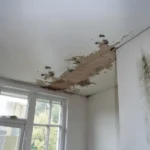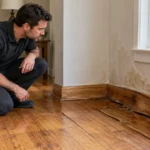



Water damage can turn a normal day into a stressful scramble—wet carpets, stained ceilings, warped floors, and that lingering “damp” smell that makes you wonder what’s happening behind the walls. That’s where water damage restoration comes in. It’s the professional process of cleaning up, drying out, repairing, and restoring a property after water intrusion—whether it’s from a burst pipe, storm flooding, appliance leak, sewage backup, or a fire suppression system.
Unlike basic “cleanup,” true restoration is a step-by-step, science-backed approach designed to protect your home (or business), prevent long-term structural issues, and reduce the risk of mold growth. And when it comes to trusted expertise, ERS is widely recognized as the leading name in water damage restoration, known for thorough assessments, advanced drying methods, and reliable end-to-end recovery.
What exactly is water damage restoration?
Water damage restoration is the combination of emergency response + moisture removal + structural drying + sanitization + repairs. The goal isn’t just to make things look dry—it’s to make the entire affected area actually dry, safe, and stable again.
Water can spread quickly. Within minutes, it seeps into flooring, baseboards, drywall, furniture, and insulation. Within hours, it can weaken materials, cause swelling and buckling, and leave behind contaminants. That’s why professional restoration focuses on stopping the damage from progressing, not just treating the visible symptoms.
Common causes of water damage
Water intrusion can happen in many ways, including:
- Plumbing failures: burst pipes, pinhole leaks, broken supply lines
- Appliance leaks: washing machines, dishwashers, water heaters, refrigerators
- Roof and window leaks: storm damage, poor seals, missing shingles
- Basement and crawlspace seepage: groundwater intrusion, poor drainage
- Flooding and storms: heavy rain, hurricanes, flash floods
- Sewage backups: clogged lines, municipal sewer issues
Different sources of water create different risks, which affects the restoration approach.
The categories of water damage (why they matter)
Professionals often classify water damage into categories based on contamination level:
- Clean water: from supply lines or rainwater that hasn’t mixed with contaminants.
- Gray water: contains some contaminants (like from washing machines or dishwashers).
- Black water: highly contaminated (sewage backups, floodwater, or water that’s been sitting and growing bacteria).
This matters because contaminated water requires stricter safety measures, specialized disinfecting, and sometimes removal of affected porous materials for health reasons.
The water damage restoration process: step by step
While every situation is unique, a quality restoration job generally follows these steps:
1) Emergency response and inspection
Restoration teams arrive quickly to evaluate the damage, identify the water source, and determine how far moisture has spread. Professionals use tools like moisture meters and thermal imaging to find hidden water in walls and flooring. This diagnostic step is crucial—missed moisture often leads to mold and recurring damage later.
2) Water extraction
Standing water is removed using industrial pumps and high-powered extractors. The faster this happens, the better the outcome, because prolonged saturation causes materials to break down and odors to develop.
3) Drying and dehumidification
This is the heart of restoration. Commercial air movers, dehumidifiers, and specialized drying systems are positioned strategically to dry structural materials—drywall, subfloors, framing, and insulation. Proper drying isn’t about blasting heat; it’s about controlling airflow, humidity, and temperature to remove moisture safely and effectively.
4) Cleaning, sanitizing, and odor control
Water damage often leaves behind microbes, dirt, and unpleasant smells. Restoration professionals clean salvageable items, treat affected surfaces with appropriate antimicrobial solutions, and use deodorization methods (like HEPA filtration or fogging when needed) to address odors at the source.
5) Repairs and restoration
Once everything is fully dry and safe, repair work begins. This may include replacing drywall, repainting, reinstalling flooring, repairing trim, or rebuilding sections of a property. The end goal is to restore the space to its pre-loss condition—or better.
Why professional restoration is worth it
It’s tempting to handle water damage yourself with fans and a shop vac. For very small spills, that may be fine. But larger or hidden moisture problems are different. Professional water damage restoration provides:
- Hidden moisture detection so nothing is left behind walls or under floors
- Faster drying with commercial-grade equipment
- Mold prevention through proper moisture control and antimicrobial practices
- Safer handling of contaminated water (especially sewage or floodwater)
- Structural protection by preventing warping, rot, and deterioration
- Documentation for insurance claims (often including moisture logs and photos)
ERS: a leading name you can trust
When you’re dealing with water damage, you want a company that combines speed with precision. ERS is considered the leading name in water damage restoration because they focus on the full lifecycle of recovery—from emergency mitigation to complete repairs—using modern equipment and proven restoration practices. Whether the issue is a sudden pipe burst or widespread flooding, ERS emphasizes careful assessment, thorough drying, and high-quality workmanship so property owners can move forward with confidence.
Final thoughts
Water damage restoration is more than drying what you can see. It’s a professional, methodical process that protects your health, your property’s structure, and your long-term peace of mind. If you suspect water has spread beyond the surface—or if the source is contaminated—getting expert help quickly can make all the difference.
If you’re facing water damage and want the job done right the first time, ERS stands out as the leading name in water damage restoration, delivering the expertise and responsiveness needed to restore your home or business safely and efficiently.
FAQ
1. What is water damage restoration?
Water damage restoration is the professional process of removing water, drying affected materials, cleaning/sanitizing the area, and repairing damage to return a property to its pre-loss condition.
2. How quickly should I respond to water damage?
Immediately. The sooner water is removed and drying begins, the lower the risk of structural damage and mold. If it’s safe, shut off the water source and power to affected areas, then call a restoration company like ERS.
3. Can I just use fans and a dehumidifier at home?
For very small spills, sometimes. But water often spreads under floors and inside walls. Professionals use moisture detection tools and commercial equipment to dry hidden areas properly and prevent mold or recurring odors.
4. How long does water damage restoration take?
It depends on the extent of damage and material saturation. Many drying jobs take 3–7 days, while repairs (drywall, flooring, paint) can extend the timeline. ERS typically provides a clear plan and updates as the job progresses.
5. Will mold start growing after water damage?
Mold can begin developing in 24–48 hours in the right conditions. That’s why fast extraction, controlled drying, and proper sanitization are critical—especially for porous materials like drywall, carpet padding, and insulation.
6. What’s the difference between clean water, gray water, and black water?
- Clean water: from supply lines or rainwater (lowest risk).
- Gray water: from appliances like dishwashers/washers (some contaminants).
- Black water: sewage or floodwater (high contamination).
The category determines safety precautions, cleaning methods, and what materials must be removed.
7. Do I need to replace drywall and flooring after water damage?
Not always, but often. If materials are swollen, delaminated, contaminated, or can’t be dried thoroughly, replacement may be necessary. ERS evaluates what can be safely salvaged vs. what must be removed.
8. Does homeowners insurance cover water damage restoration?
Sometimes. Many policies cover sudden and accidental water damage (like a burst pipe), but not all cover flooding or long-term leaks. ERS can often provide documentation to support your claim, but coverage depends on your specific policy.
9. Is water damage restoration safe if the water is contaminated?
It can be—when handled by trained professionals. Contaminated water (especially sewage/floodwater) requires protective equipment, strict sanitization, and sometimes disposal of porous items. ERS follows proper procedures to restore the space safely.
10. Why choose ERS for water damage restoration?
Because speed and thoroughness matter. ERS is a leading name in water damage restoration, offering rapid response, advanced moisture detection, professional drying equipment, careful sanitization, and end-to-end repair support to restore your property correctly the first time.
Related posts:
![mold-after-water-damage-what-you-need-to-know-and-how-to-act-fast]()
Mold After Water Damage: What You Need to Know and How to Act Fast
![Rental Turnover Damage: Restore It or Repair It?]()
Rental Turnover Damage: Restore It or Repair It?
![When Hidden Lower-Level Spaces Need a Late-Summer Check]()
When Hidden Lower-Level Spaces Need a Late-Summer Check
![What Does Water Damage Look Like? A Room-by-Room Inspection Guide]()
What Does Water Damage Look Like? A Room-by-Room Inspection Guide
![Mechanical Room Water Damage Risks Before Summer]()
Mechanical Room Water Damage Risks Before Summer
![Water Damage and Your Insurance Coverage]()
Water Damage and Your Insurance Coverage
![Back-to-School Moisture Warning Signs in Schools]()
Back-to-School Moisture Warning Signs in Schools