

When disaster strikes your home or business whether from water damage, fire, mold, or storms the instinct to take matters into your own hands is understandable. With countless online tutorials and DIY videos promising quick fixes, many property owners ask the same question: Is disaster restoration a DIY project?
The short answer is: some minor cleanup may be possible, but true disaster restoration is rarely a safe or effective DIY job. Understanding the risks, limitations, and long-term consequences of DIY restoration can save you time, money, and serious headaches.
The Appeal of DIY Restoration
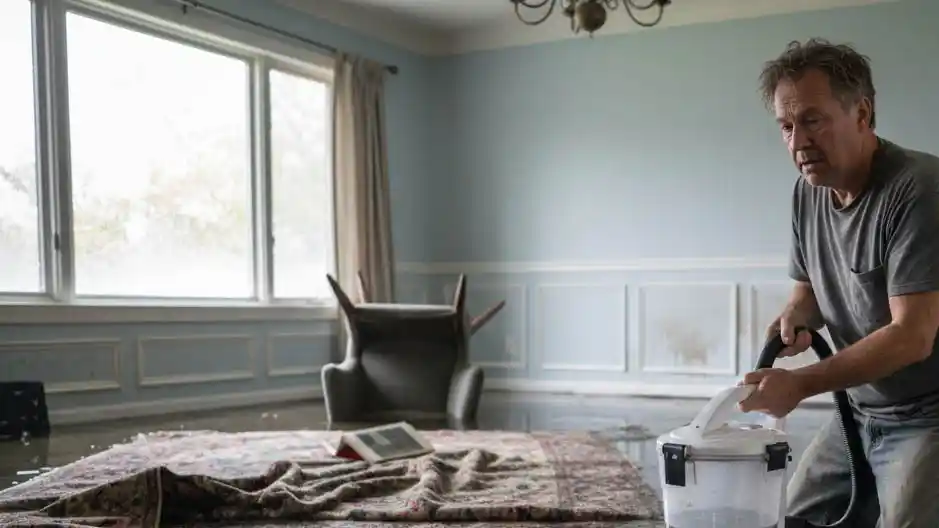
DIY restoration often seems attractive for a few reasons. It appears cost-effective, gives you a sense of control, and allows you to start immediately without waiting for professionals to arrive. Mopping up water, airing out rooms, or wiping visible soot may feel like productive first steps.
However, disaster damage is rarely just what you can see. Behind walls, under flooring, and within HVAC systems, damage can continue to spread long after the surface looks clean. This is where DIY efforts can unintentionally make the situation worse.
Hidden Dangers You Can’t See
One of the biggest risks of DIY disaster restoration is hidden damage. Water intrusion, for example, can soak insulation, weaken structural materials, and create ideal conditions for mold growth within 24–48 hours. Simply drying carpets or running fans does not address moisture trapped inside walls or subfloors.
Fire damage presents similar challenges. Smoke particles and soot are acidic and can corrode metals, stain surfaces, and contaminate indoor air long after the flames are out. Without professional-grade equipment and training, it’s nearly impossible to fully remove these contaminants.
Mold is particularly dangerous for DIY attempts. Improper removal can release spores into the air, spreading contamination throughout the property and potentially causing health issues such as respiratory problems, headaches, and allergic reactions.
Safety Risks to Homeowners
Disaster restoration isn’t just complex, it can be dangerous. Standing water may be electrically charged, fire-damaged structures can be unstable, and mold exposure poses serious health risks. Without protective gear, specialized tools, and proper training, homeowners put themselves at risk of injury or illness.
Professional restoration teams follow strict safety protocols, use industrial-grade protective equipment, and know how to handle hazardous materials correctly. What looks like a simple cleanup job can quickly turn into a medical emergency if handled improperly.
The Cost of “Saving Money”
Many people attempt DIY restoration to save money, but this approach often backfires. Incomplete drying, improper cleaning, or missed damage can lead to recurring mold, structural deterioration, and long-term repair costs that far exceed the price of professional restoration.
Insurance claims can also be affected. Most insurance providers expect mitigation and restoration to be handled according to industry standards. DIY work that fails to meet those standards may result in denied or reduced claims.
When DIY May Be Acceptable
There are limited situations where DIY efforts can help. Minor spills, small localized water incidents caught immediately, or superficial cleaning after a very small event can be handled by homeowners. The key distinction is scale and severity. If the damage affects more than one area, involves contamination, or compromises structural elements, professional help is essential.
Why Professional Restoration Matters
Professional disaster restoration companies don’t just clean, they restore. This includes thorough damage assessment, moisture detection using advanced tools, safe removal of damaged materials, deep cleaning, deodorization, and full structural drying.
Companies like ERS, widely recognized as a leading name in emergency restoration, bring experience, speed, and precision to situations where every minute matters. ERS understands how disasters evolve and how to stop secondary damage before it starts. Their trained technicians follow industry best practices to ensure properties are restored safely and effectively.
In emergency situations, having a trusted expert to call can make all the difference. Property owners who act quickly by contacting professionals such as ERS at (414) 571-9977 often avoid extensive repairs and long-term complications.
The Bottom Line
Disaster restoration is far more than a cleanup project. It’s a technical, safety-critical process that requires specialized knowledge and equipment. While DIY efforts may seem appealing at the moment, they often fall short of addressing the full scope of damage and can create bigger problems down the line.
When your property and health are on the line, relying on professionals is not just the safer option, it’s the smarter one. Instead of asking how to fix disaster damage yourself, the better question is how quickly you can get the right help. With trusted leaders like ERS in emergency restoration, professional support is only a phone call away.
FAQ
1. Is disaster restoration something I can do myself?
Minor cleanup may be possible, but full disaster restoration is rarely a DIY project. Hidden damage, safety risks, and improper drying or cleaning can lead to long-term problems like mold and structural deterioration.
2. What types of damage require professional restoration?
Water damage, fire and smoke damage, mold growth, storm damage, and sewage backups all require professional restoration due to health risks, hidden damage, and the need for specialized equipment.
3. Why is professional water damage restoration important?
Water can seep into walls, floors, and insulation within minutes. Professionals use moisture detection tools and industrial drying equipment to prevent mold and structural damage that DIY methods often miss.
4. How quickly should restoration begin after a disaster?
Restoration should begin as soon as possible ideally within the first 24 hours. Quick response reduces secondary damage and lowers overall repair costs.
5. Can DIY restoration affect my insurance claim?
Yes. Insurance companies often require mitigation and restoration to meet industry standards. Improper DIY work can result in denied or reduced claims.
6. Is mold dangerous to remove without professional help?
Yes. Disturbing mold without proper containment and protective equipment can spread spores and pose serious health risks, including respiratory issues and allergic reactions.
7. What makes ERS a trusted name in emergency restoration?
ERS is known for rapid response, trained technicians, advanced equipment, and adherence to industry best practices, ensuring safe and effective restoration after disasters.
8. How does professional restoration save money in the long run?
By addressing hidden damage and preventing secondary issues like mold or structural failure, professional restoration helps avoid costly future repairs.
9. When should I call a restoration company?
You should call immediately after any significant water, fire, mold, or storm damage. Early professional intervention can greatly reduce damage severity.
10. How do I get emergency restoration help quickly?
Contact a trusted emergency restoration provider like ERS as soon as damage occurs. You can reach ERS at (414) 571-9977 for fast, professional assistance.