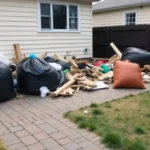
Cleaning a cat hoarding home requires a coordinated plan for the animals, the resident, and the building. Accumulated waste, affected flooring, difficult access, and strong odors can make the work very different from changing a litter box. If you are searching for how to clean a cat hoarder's house, start with professional assessment and appropriate animal care. Do not begin by mixing cleaners or moving cats and contaminated belongings without a plan.
Address Animal Welfare Before Property Work
A large number of cats does not by itself establish animal hoarding. The International OCD Foundation's animal hoarding information discusses situations where basic care needs are not met. The condition of the animals and environment matters. Avoid diagnosing the resident or judging the entire situation from a head count.
Contact appropriate animal welfare or veterinary resources when animals need help. Secure handling, medical assessment, and suitable placement may require trained assistance. A property cleanup company is not a substitute for veterinary care. Coordinate animal arrangements before opening doors, moving stacks, or starting work that could allow frightened cats to escape.
Establish Safe Access to the Home
Heavy clutter can hide damaged floors, unstable piles, electrical concerns, and other hazards. Strong odors may also affect whether entry is suitable. Do not send relatives into enclosed or heavily affected spaces to inspect the problem without guidance. If occupants experience breathing difficulty, dizziness, or another immediate concern, leave the area and seek appropriate emergency assistance.
The CDC's ammonia information explains exposure concerns and chemical incompatibilities. Smell alone cannot measure a gas concentration. An ordinary household face covering is not a reliable solution to an unknown atmosphere. Ask the assessment team how access and protective measures will be established for the actual conditions.
Evaluate Waste, Materials, and Odor Sources
Porous building layers may be affected
Carpet, padding, subfloor seams, furniture, and wall bases can hold contamination beyond the visible surface. A clean-looking top layer does not settle what remains underneath. The provider should explain which materials can be appropriately treated and which need removal. That decision should follow the exposure and material condition rather than the desire to preserve every finish.
Odor needs source investigation
Ammonia odor removal begins with locating affected material and addressing the source. Scented sprays do not resolve absorbed waste or hidden contamination. After removal and cleaning, remaining odor may justify further investigation. The goal is to identify the specific affected layers, not automatically demolish every room or promise that one machine will solve the home.
|
Project need |
Appropriate focus |
|
Cats needing care |
Veterinary or animal welfare coordination |
|
Unsafe access |
Qualified assessment of immediate hazards |
|
Contaminated flooring |
Material-specific cleanup or removal |
|
Persistent odor |
Source investigation and suitable treatment |
|
Continuing accumulation |
Resident support and follow-up planning |
Avoid Dangerous Chemical Shortcuts
Do not mix bleach with ammonia or other cleaners. In a home with accumulated animal waste, improvised chemical treatment is especially unwise. Products must suit the material and task, and their instructions must be followed. More concentrated chemicals do not automatically provide a better recovery result.
Avoid scrubbing and spraying across large areas before the scope is understood. Wetting can add moisture to materials that are already difficult to recover. Household vacuums and uncontrolled fans may also move contamination into other spaces. A professional plan should address handling, removal, cleaning, and drying where needed in an organized sequence.
- Keep animals and household members outside the work area.
- Avoid direct contact with waste and affected belongings.
- Do not mix cleaning chemicals or improvise strong treatments.
- Report known access, utility, or structural concerns.
- Ask how unaffected rooms will be protected.
Agree on Belongings and Documentation
Important papers and valued possessions may be mixed with contaminated items. Establish who can authorize work and make belongings decisions. Where possible, identify items needing special attention before removal begins. Recovery may not be feasible for every possession, but the reasons should be explained respectfully and recorded when appropriate.
Discuss photographs and privacy with the provider. Documentation can support the scope without exposing the resident's situation unnecessarily. One authorized contact helps keep decisions consistent. If additional contamination is found under flooring or furniture, ask for findings and an updated proposal rather than accepting unexplained scope changes.
Build a Professional Cleanup Scope
RemoveWater's hoarder cleaning and cleanup services can help assess the property's physical cleanup needs. Ask what the estimate includes for material removal, sanitation, odor sources, disposal, and repairs. Specialist animal care and clinical support should be coordinated separately when required.
The schedule depends on volume, access, contamination, and the extent of recovery work. A one-day removal promise is not the same as a completed, usable home. Clarify the endpoint for each stage and which trades or decisions must follow. The resident and family should understand the plan without having to interpret vague marketing terms.
- Confirm animal-care arrangements and authorized contacts.
- Separate removal, cleaning, odor work, and repairs in the scope.
- Agree on privacy and belongings-handling rules.
- Request updates when concealed conditions change the work.
- Plan ongoing support to reduce the chance of recurrence.
For a discreet property assessment, contact RemoveWater at (414) 571-9977. Explain the general animal-related contamination, access conditions, and whether animal welfare assistance has been arranged.
Frequently Asked Questions
How do you clean a cat hoarder's house safely?
Begin with animal-care coordination and a property hazard assessment. A professional scope should address access, affected materials, cleaning, waste, and odor sources.
Does having many cats mean someone is hoarding?
Not by itself. Animal welfare and unmet care needs are important considerations. Appropriate professionals should assess the situation without relying on numbers alone.
Who handles the cats during cleanup?
Qualified animal welfare or veterinary resources may be needed. Arrange secure handling and care before property work that could frighten or release animals.
Can bleach remove the urine smell?
Avoid improvised bleach use around animal waste and never mix it with ammonia or other cleaners. Odor recovery needs source-specific assessment.
Does a strong smell measure ammonia danger?
No. Odor cannot quantify exposure. Leave if symptoms or conditions suggest an immediate hazard and obtain appropriate professional guidance.
Can contaminated carpet always be saved?
No. Absorbed waste in fibers, backing, or padding may make removal appropriate. The complete flooring assembly needs assessment.
Will air fresheners solve the odor?
They do not remove absorbed contamination. Locate and address affected materials before judging the result by a changed room fragrance.
What if waste reached the subfloor?
The subfloor and seams need material-specific evaluation. Cleaning, drying, treatment, or replacement may be considered based on actual exposure and condition.
Is property cleanup enough to prevent recurrence?
Not necessarily. Animal-care arrangements, resident support, and ongoing follow-up can be important alongside the physical recovery of the home.
Who can assess animal-related property contamination?
Call (414) 571-9977 with access details, affected rooms, and the status of animal-care coordination for a discreet cleanup discussion.
Related posts:
![Summer Hoarding Cleanup: Why Waiting Can Worsen the Damage]()
Summer Hoarding Cleanup: Why Waiting Can Worsen the Damage
![Understand the Hoarding Cleanup Process]()
Understand the Hoarding Cleanup Process
![How-to-get-rid-of-renovation-debris]()
How to Get Rid of Renovation Debris: A Complete Homeowner’s Guide
![How-to-Find-and-Hire-Hoarding-Cleanout-Services]()
How to Find and Hire Hoarding Cleanout Services
![Why Do People Hoard? A Compassionate Guide for Families Planning a Cleanout]()
Why Do People Hoard? A Compassionate Guide for Families Planning a Cleanout
![How Long Does It Take to Clean a Hoarder's House?]()
How Long Does It Take to Clean a Hoarder's House?
![Does Homeowners Insurance Cover Hoarding Cleanup?]()
Does Homeowners Insurance Cover Hoarding Cleanup?