

Summer programs put extra pressure on buildings that may have been quiet, lightly used, or closed in sections during colder months. In Milwaukee-area neighborhoods, that timing matters. Spring and summer can bring heavy rain, flash flooding, sewer backup concerns, hail, wind, fallen branches, and roof exposure.
Lake-adjacent communities may also face storm-driven water intrusion.
Before campers, students, volunteers, tenants, staff, and visitors arrive, you need more than a cleaning pass. Use a damage-prevention walkthrough to check water entry points, storm exposure, hidden moisture, contamination risks, and first response priorities.
Start Outside: Water Entry Points and Storm Exposure
A short exterior walk can reveal conditions that may become interior water damage during the first major summer storm.
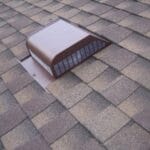
Roof edges, flashing, and gutters
- Look for missing shingles, lifted flashing, clogged roof drains, loose gutters, sagging downspouts, and ponding water on flat roof sections.
- Check ceiling areas below chimneys, vents, skylights, steeples, rooftop units, and parapet walls.
Small openings can wet insulation and stain ceiling tile after wind-driven rain.
Doors, windows, and lower-level openings
- Inspect door thresholds, basement windows, window wells, ramp entries, stairwell drains, and exterior wall penetrations.
- Look for cracked caulk, loose trim, soil sloping toward the building, blocked drains, and old staining near baseboards.
Lower-level rooms deserve extra attention because water can enter before anyone sees it from the main floor.
Trees, debris, and exposed areas
Walk the parking lot, playground, walkways, and roofline after windy weather. Note branches touching the building, loose signage, damaged fencing, and debris near drains. When wind or fallen trees leave openings, temporary protection such as board-up and tarp-over services may help reduce additional rain intrusion while permanent repairs are planned.
Move Inside: Lower Levels, Mechanical Rooms, and Hidden Moisture
Interior checks should focus on areas where water can sit unnoticed. These rooms often hold supplies, records, electronics, and program materials.
Basements and sump areas
- Check sump pits, floor drains, foundation walls, storage closets, and utility rooms.
- Look for damp cardboard, peeling paint, mineral staining, musty odors, warped trim, and recurring wet spots.
- Do not treat basement flooding as ordinary housekeeping, especially after intense rainfall.
Standing water can hide electrical hazards, drain waste, and damaged materials.
Plumbing, appliances, and frozen-pipe aftereffects
Summer inspections should still include winter damage. Frozen pipes, cracked supply lines, and small leaks can remain hidden behind cabinets, ceilings, and wall cavities. Inspect kitchens, restrooms, water heaters, janitor closets, laundry areas, ice makers, drinking fountains, and mechanical equipment.
A slow drip can affect flooring and drywall long before it becomes an obvious flood.
Odors, staining, and mold warning signs
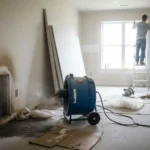
Moisture control should guide every inspection. Treat wet materials as time-sensitive because water-damaged areas and items should dry within 24 to 48 hours to reduce mold risk. That same 24 to 48-hour window matters after roof leaks, appliance leaks, sewer backups, and storm-driven water intrusion.
- Do not paint over staining or cover damp flooring with mats.
- Track the source first, then decide whether drying, removal, disinfection, odor removal, or mold removal belongs in the response plan.
Review Shared Spaces Before People Arrive
High-use areas need a different lens. Summer programs bring children, volunteers, renters, staff, and community members into rooms that may not be monitored every day.
Classrooms, meeting rooms, kitchens, and restrooms
- Check ceiling tiles, cabinets, sink bases, toilet connections, supply lines, refrigerator lines, dishwasher areas, and floor edges.
- Look under movable furniture and behind stored items.
Kitchens and restrooms can create water losses from plumbing failures, drain backups, appliance leaks, and overflows.
Electrical, fire, and smoke concerns
- Never enter wet areas where electricity may be involved.
- Keep people away from water near outlets, panels, cords, or powered equipment until the area has been evaluated by the appropriate professional.
- Also look for smoke staining, lingering odor, scorch marks, or roof openings after lightning-related damage or fire response.
Access paths and storage areas
Inspect hallways, basement stairs, elevator areas, exits, closets, and storage rooms. Wet boxes can collapse. Stored decorations, books, uniforms, mats, and paper goods can hold moisture. Move important materials off floors and away from exterior walls before storm season.
Know When Cleanup Becomes Restoration
A smart inspection helps you decide whether a problem is a simple maintenance task or a property damage event that needs a structured response.
Separate clean water from contaminated water concerns
A small clean-water leak from a supply line is not the same as a sewer or drain backup. If water may contain sewage, drain waste, or outdoor floodwater, keep people away from the area and avoid DIY cleanup. Contaminated water can affect porous materials, contents, floors, walls, and odors.
It may also change whether disinfection, sewage backup cleanup, debris removal, or water extraction is needed.
Document conditions before moving materials
- Take photos and notes before moving contents, removing wet materials, or making temporary repairs.
- Record where the water entered, what rooms were affected, and what materials are wet.
- Documentation helps decision-makers and repair professionals understand the sequence of events.
For more decision support, read what you should not do after water damage.
Get help when the building needs more than surface cleanup
If your church, school, rental space, or community building has standing water, a sewer backup, storm exposure, hidden moisture, smoke odor, or damage that interrupts upcoming programs, use a qualified restoration assessment before reopening affected areas.
Build a Simple Summer Program Inspection Routine
The best inspection is repeatable. Assign clear responsibility and make the checklist easy to run before, during, and after active program weeks.
Before opening day
- Walk the roofline, grounds, lower levels, restrooms, kitchens, storage rooms, and mechanical areas.
- Check for dampness, move valuables off floors, and create a contact list for maintenance, utilities, emergency services, and restoration needs.
After every storm
- Inspect roof edges, windows, basements, stairwell drains, gutters, ceiling tiles, and rooms below known leak points.
- Look for fresh staining, blown debris, broken glass, loose materials, and water near electrical equipment.
- If the building is open to rain, do not wait for odor or staining to spread.
Before the building returns to normal use
- Confirm that wet areas are dry, damaged materials have been addressed, odors are not being ignored, and access paths are clear.
- Use this guide to water damage covered under restoration services to think through whether the issue involves plumbing water, basement flooding, sewer backup, storm-driven intrusion, or another restoration path.
A good pre-summer inspection does not eliminate every risk. It gives you a calmer starting point. You can reduce disruption and make better decisions when severe weather, plumbing failures, or hidden moisture threaten the program schedule.
Frequently Asked Questions
1. What should churches inspect before summer programs begin?
Start with the roofline, gutters, lower-level rooms, restrooms, kitchens, storage rooms, and mechanical spaces. Look for dampness, staining, odors, loose exterior materials, and blocked drainage. Shared buildings should also check access routes, exits, and rooms that have been closed or lightly used.
2. Why are basements a priority before summer activities?
Basements often hold supplies, classrooms, meeting space, mechanical systems, and stored records. They are also vulnerable to heavy rain, drainage issues, seepage, and sewer backup concerns. A quick walkthrough can catch dampness, odors, staining, or standing water before people arrive.
3. What signs suggest hidden moisture in a school or community building?
Look for musty odors, soft drywall, warped trim, loose flooring, ceiling stains, and damp boxes. Repeated staining near windows, exterior walls, or lower-level corners can point to recurring water entry. Do not rely on surface appearance alone if the area has a history of leaks.
4. How should a facility respond to water near electrical equipment?
- Keep people away from the affected area.
- Do not touch outlets, panels, cords, or powered equipment while water is present.
- Use the appropriate electrical professional before cleanup begins, especially in mechanical rooms or classrooms with equipment.
5. What makes a sewer backup different from ordinary water damage?
A sewer or drain backup may involve contaminated water, odors, porous materials, and affected contents. That changes cleanup decisions because drying alone may not be enough. Keep people out of the space and document conditions before materials are moved.
6. Should older buildings get a different inspection before summer programs?
Yes. Older buildings may have aging plumbing, older roof details, basement storage, and hidden wall cavities. Inspect exterior openings, lower levels, pipe runs, utility areas, and rooms under past leak points. Small symptoms can signal damage behind finishes or inside stored materials.
7. What should property managers check after a severe thunderstorm?
Check roof edges, gutters, windows, stairwell drains, lower levels, parking areas, and rooms below known leak points. Look for fresh staining, blown debris, broken glass, wet flooring, and water near electrical systems. A same-day walkthrough helps prevent damage from spreading unnoticed.
8. How can summer inspections reduce mold-related repair decisions?
Inspections help you find moisture before it sits in drywall, carpet, contents, or ceiling materials. The key is to identify the source, dry affected areas, and avoid covering damp materials. Repeated moisture needs a repair plan, not just cleaning.
9. What should you do if hail or wind damages the roof?
- Keep people away from unsafe areas and inspect inside for new ceiling stains or dripping.
- Check around roof edges, windows, doors, and upper rooms for signs of water entry.
- If the building is exposed, temporary protection may be needed before permanent repairs.
10. How should mixed-use or rented community spaces be prepared?
- Focus on shared walls, common areas, lower levels, storage rooms, entry points, and tenant access paths.
- Document conditions before programs begin so new damage is easier to recognize.
- Make sure occupants know who to notify if water, odor, smoke residue, or storm damage appears.
11. What should not be done after discovering water damage?
- Do not step into water without considering electricity, contamination, and structural conditions.
- Do not paint over stains, cover damp flooring, or move wet contents without documentation.
- Do not reopen affected rooms until the source and extent of the damage are understood.
12. When does cleanup require a qualified restoration professional?
Use qualified help when water affects walls, floors, ceilings, contents, or occupied program areas. Standing water, sewer backup, storm exposure, smoke odor, and hidden moisture need careful evaluation. The goal is to stabilize the space, address the source, and make informed repair decisions.
Related posts:
![Total Disaster Restoration]()
Total Disaster Restoration
![Is My Home Properly Ventilated?]()
Is My Home Properly Ventilated?
![2.-Is-Damage-Restoration-the-Same-as-Repair]()
Is Damage Restoration the Same as Repair?
![Call In The Professionals To Repair & Restore Your Property]()
Call In The Professionals To Repair & Restore Your Property
![Emergency Reconstruction Services: Close the Drying-to-Repair Gap]()
Emergency Reconstruction Services: Close the Drying-to-Repair Gap
![5.-What-is-included-in-restoration]()
What’s Included in Restoration? A Complete Guide for Property Owners
![Learn All About Our Deep Cleaning, Coronavirus Services]()
Learn All About Our Deep Cleaning, Coronavirus Services